
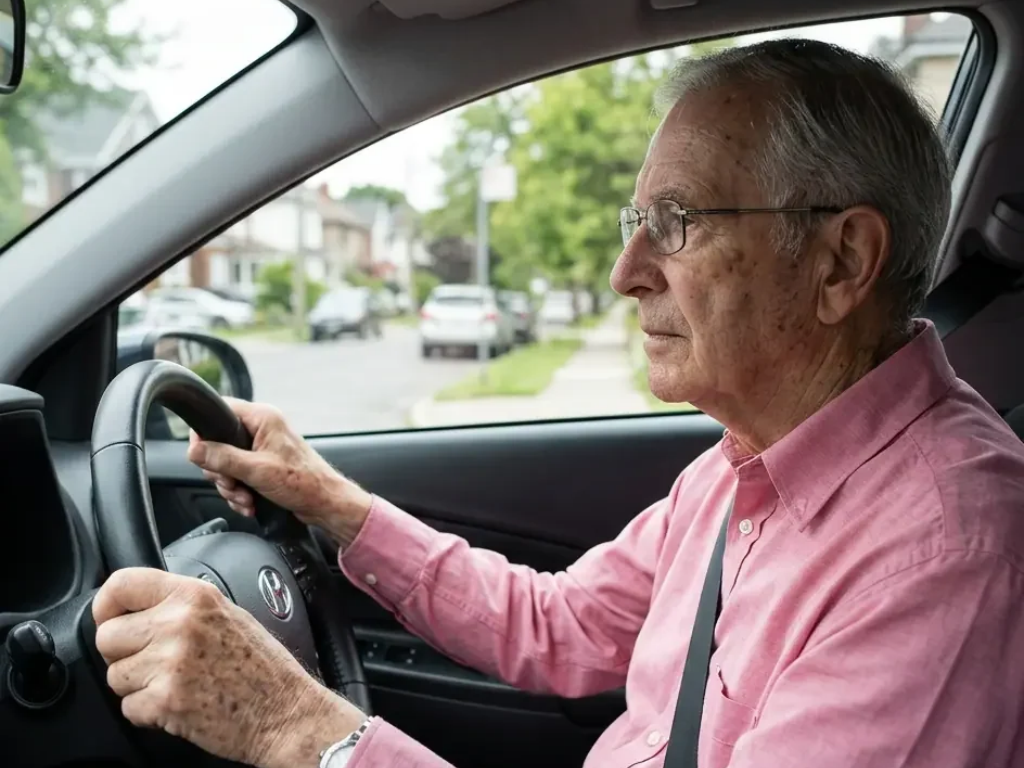
Driving a vehicle is somewhat like piloting an airplane: the driver must be in optimal condition. As we age, certain senses decline, reflexes slow down, and unexpected health issues may arise. This is not intended to stigmatize aging, but rather to anticipate it in order to maintain safe control of one’s vehicle. Here is an insight into the key factors to monitor for making well-informed decisions.

Vision, the Driver’s True Radar: When Sight Deteriorates
Think of your eyes as onboard cameras essential to your safety. Over time, the lens may become clouded: cataracts, glaucoma, and age-related macular degeneration (AMD) are common conditions after age 70. Traffic signs become blurry, contrasts fade, and at night, headlights from surrounding vehicles can seem like powerful spotlights. All of this makes reading the road more challenging and increases the risk of accidents.
The Essential Reflex
An annual check-up with an ophthalmologist is crucial. When necessary, adjusting your glasses or implementing strict rules—such as banning nighttime driving—becomes indispensable. In cases of confirmed vision impairments, it is wiser to choose alternative modes of transport rather than stubbornly insist on driving. Safety and peace of mind are priceless.
Memory and Reflexes: When the Brain Slows Down
Forgetting a route or reacting slowly to a red light is not simply a fleeting distraction. Cognitive aging can lead to memory loss, difficulty making quick decisions, or even temporary confusion while driving.
What You Absolutely Must Know
Conditions such as Alzheimer’s disease or other cognitive disorders can severely compromise driving safety. The best approach is to discuss these concerns openly with your physician. There are simple tests designed to assess mental acuity, quickness of thought, and concentration while behind the wheel.

The Heart and Circulation: Beware of Sudden Drops in Blood Pressure
A sudden dizziness while driving is never trivial. Certain cardiovascular conditions—arrhythmias, hypertension—can cause vertigo, breathlessness, or even sudden loss of consciousness. These risks should never be overlooked when operating a vehicle.
Good Reflexes to Adopt
It is essential to undergo regular medical check-ups, maintain a rigorous lifestyle, and follow appropriate treatments. Above all, learning to listen to your body’s signals is vital. If you feel unwell, it is better to avoid driving without feeling guilty: one day without a car is far better than an accident.
Diabetes: A Sometimes Overlooked Factor in Driving
Few people realize that hypoglycemia can quickly impair vision, disrupt concentration, or even cause sudden loss of consciousness. These effects may occur in a matter of moments.
Recommended Precautions
It is crucial to check your blood sugar before driving, always have a snack at hand (such as fast-acting sugar), and inform a close contact in case of weakness.
Reduced Mobility: Moving Matters Critically for Driving
Steering the wheel, pressing the pedals, and checking blind spots require perfect coordination. However, osteoarthritis, joint pain, or Parkinson’s disease can limit the range of motion and slow reflexes.
Alternatives to Consider
Vehicle adaptations are available: power steering, automatic transmission, and more. Additionally, physical therapy can help maintain bodily flexibility. However, if every movement becomes taxing, then it is important to rethink one’s mobility and consider alternative solutions.

Medications: Caution Regarding Side Effects
Drowsiness, dizziness, reduced attention… Some treatments, even common ones, can impair driving ability, especially when multiple drugs are combined.
A Simple and Effective Tip
Carefully read the patient information leaflets (yes, this is important!) and discuss with your pharmacist or doctor. Sometimes adjusting doses or changing the timing of medication intake is enough to eliminate side effects.
