
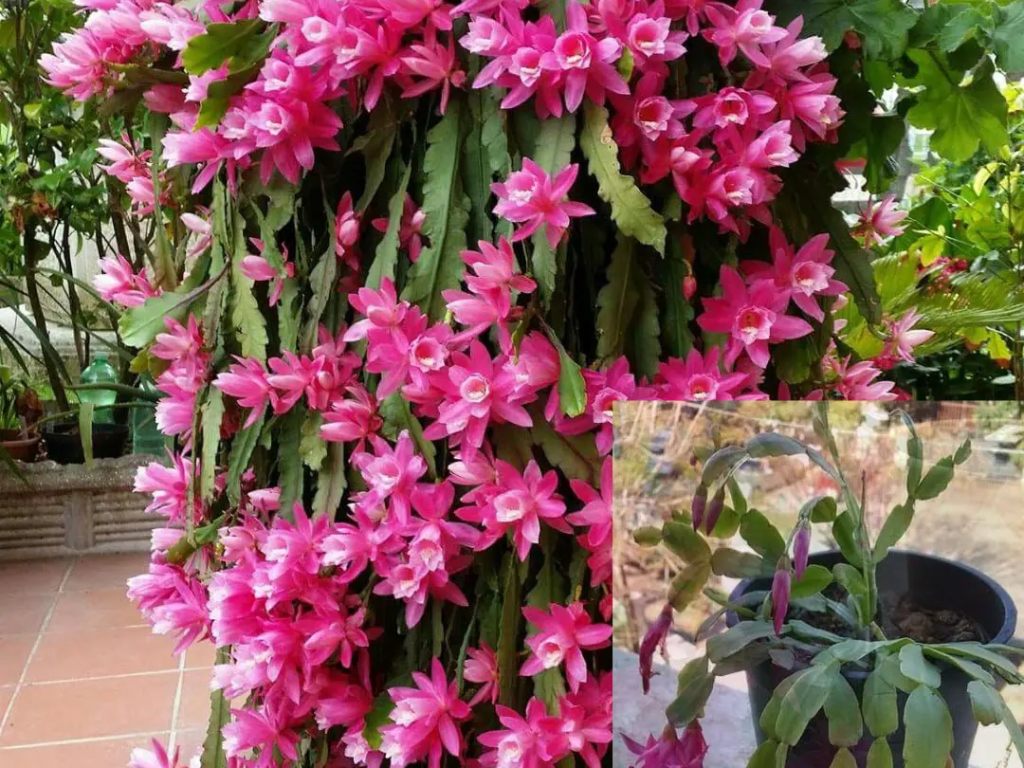
A Tropical Plant That Thrives in Gentle Conditions
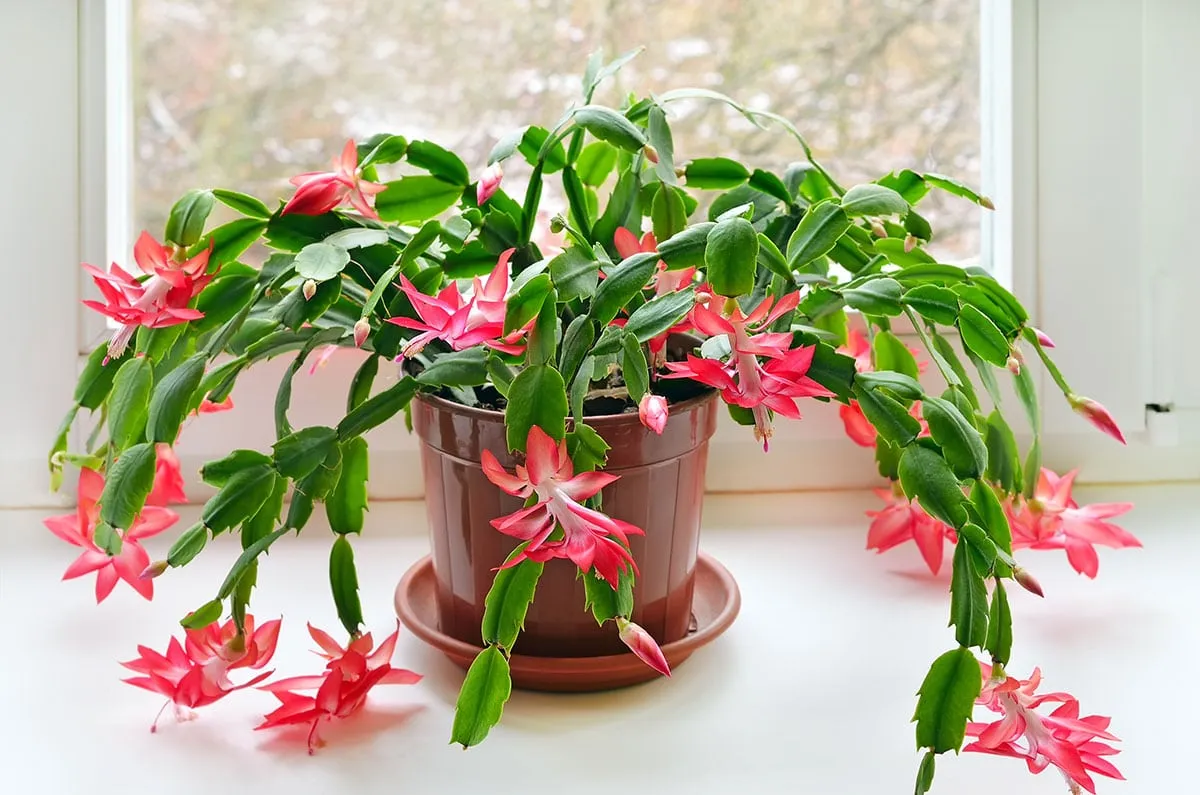
Despite its name, the Christmas cactus bears no resemblance to desert cacti. Native to the humid forests of Brazil, it naturally thrives as an epiphyte, clinging to tree trunks where the light is soft and the air is richly saturated with moisture. Its jointed green stems, free of spines, gracefully cascade downward, adorned with tubular flowers that bloom from November to February, just in time for the holiday season.
This is a plant with an “inverted cycle”: it blooms in the heart of winter, when the days are shortest. This unique characteristic makes it a true symbol of renewal.
Essential Tips for Successful Indoor Cultivation
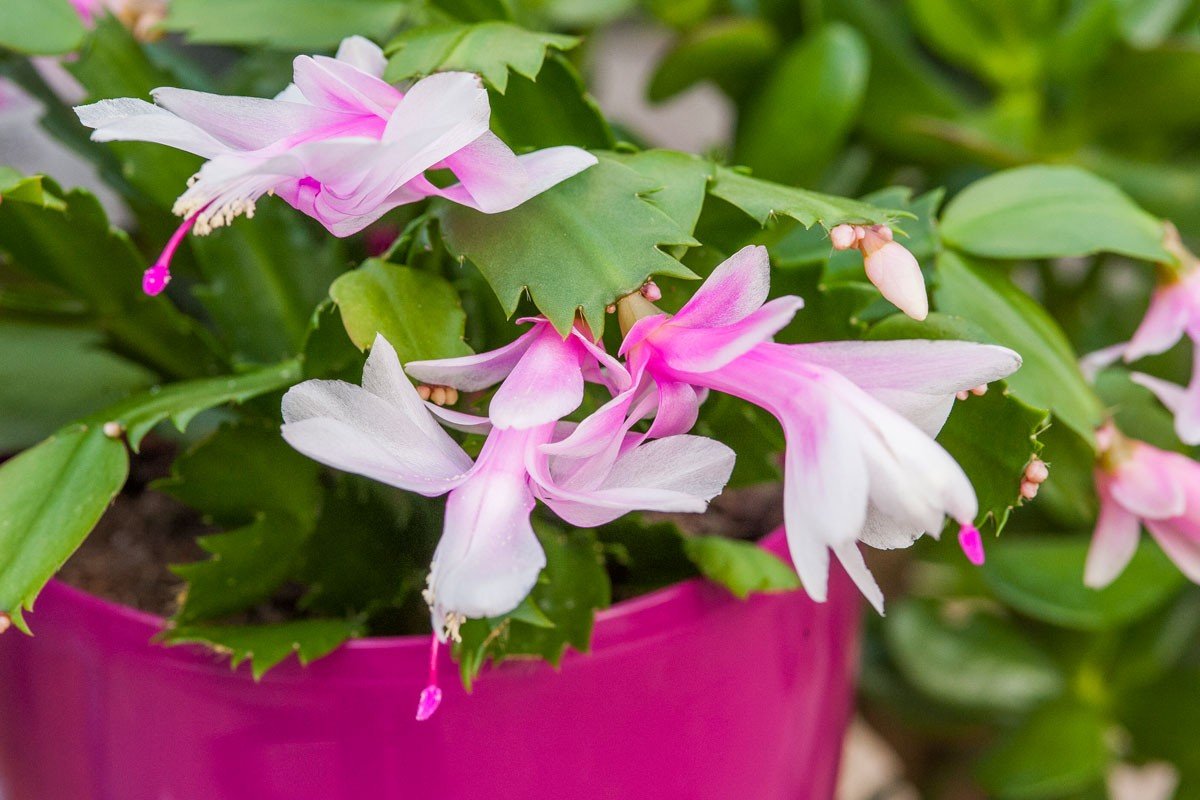
Selecting the Right Pot and Suitable Soil
Choose a pot with drainage holes to ensure excellent water runoff and prevent water from stagnating — the greatest threat to the Christmas cactus. Opt for a light mix, composed equally of cactus-specific potting soil and coconut fiber or light peat, enhanced with some perlite to improve aeration. The goal is to maintain consistent moisture levels without ever drowning the roots.

Providing Appropriate Light Exposure
Place your plant near an east- or north-facing window, where it will receive gentle natural light without harsh direct sunlight. During the summer, it will benefit from spending time outdoors in partial shade to strengthen itself in preparation for the upcoming bloom.
Adjusting Watering to Its Needs
This cactus prefers steady moisture. Water it as soon as the surface of the soil starts to dry out, avoiding excess. In autumn, reduce watering slightly to encourage bud formation. In winter, maintain a humid environment, especially if your indoor heating dries the air.
The Secret to an Exceptional Bloom
The Christmas cactus can be somewhat temperamental: it needs to sense the rhythm of the seasons in order to flower. At the end of summer, provide it with a resting period of 6 to 8 weeks in a cool room, between 12 and 15 °C (54 to 59 °F), with low light levels. This phase is crucial because it triggers blooming.
Starting in September, recreate the short-day conditions by ensuring the plant experiences 12 to 14 hours of darkness each night. If the room is too bright, cover the plant with cardboard or place it in a darker corner. After a few weeks, small buds will appear: from this point on, avoid moving the plant, as relocating it could cause the buds to drop prematurely.
Propagation Made Simple
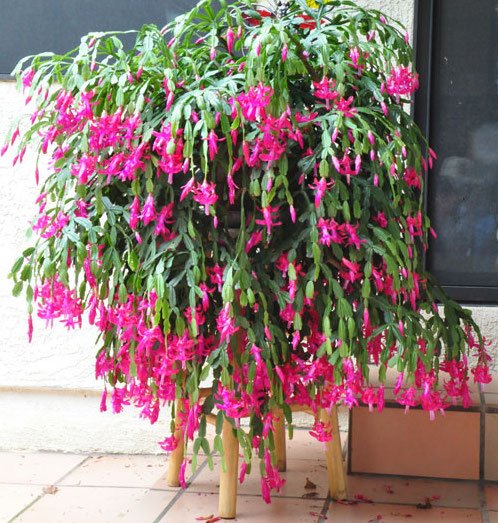
Want to share one with your loved ones? It’s very easy! After the flowering period, take a stem with two or three segments. Allow it to dry for one to two days, then plant it in a light, slightly moist soil mix. Place the cutting in a bright spot out of direct sunlight and be patient: roots should form within three to four weeks. Afterward, you can repot your young plant and watch it grow gradually.
Practical Advice for a Thriving Christmas Cactus All Year Round
Spring: prune old segments and resume regular watering.
Summer: move it outdoors to bright shade, mist occasionally, and apply fertilizer every two weeks.
Autumn: reduce watering, cool the environment, and respect the long, dark nights it requires.
Winter: enjoy the bloom while maintaining a stable temperature.
Professional tip: gently rotate the pot every month (except during flowering) to ensure even growth.
A Symbol of Luck and Renewal
Giving a Christmas cactus is to offer a promise of light in the heart of winter. In some families, this plant is passed down through generations, with some specimens living for more than twenty years. A generous plant, easy to grow, always ready to bloom when it is needed most.
