
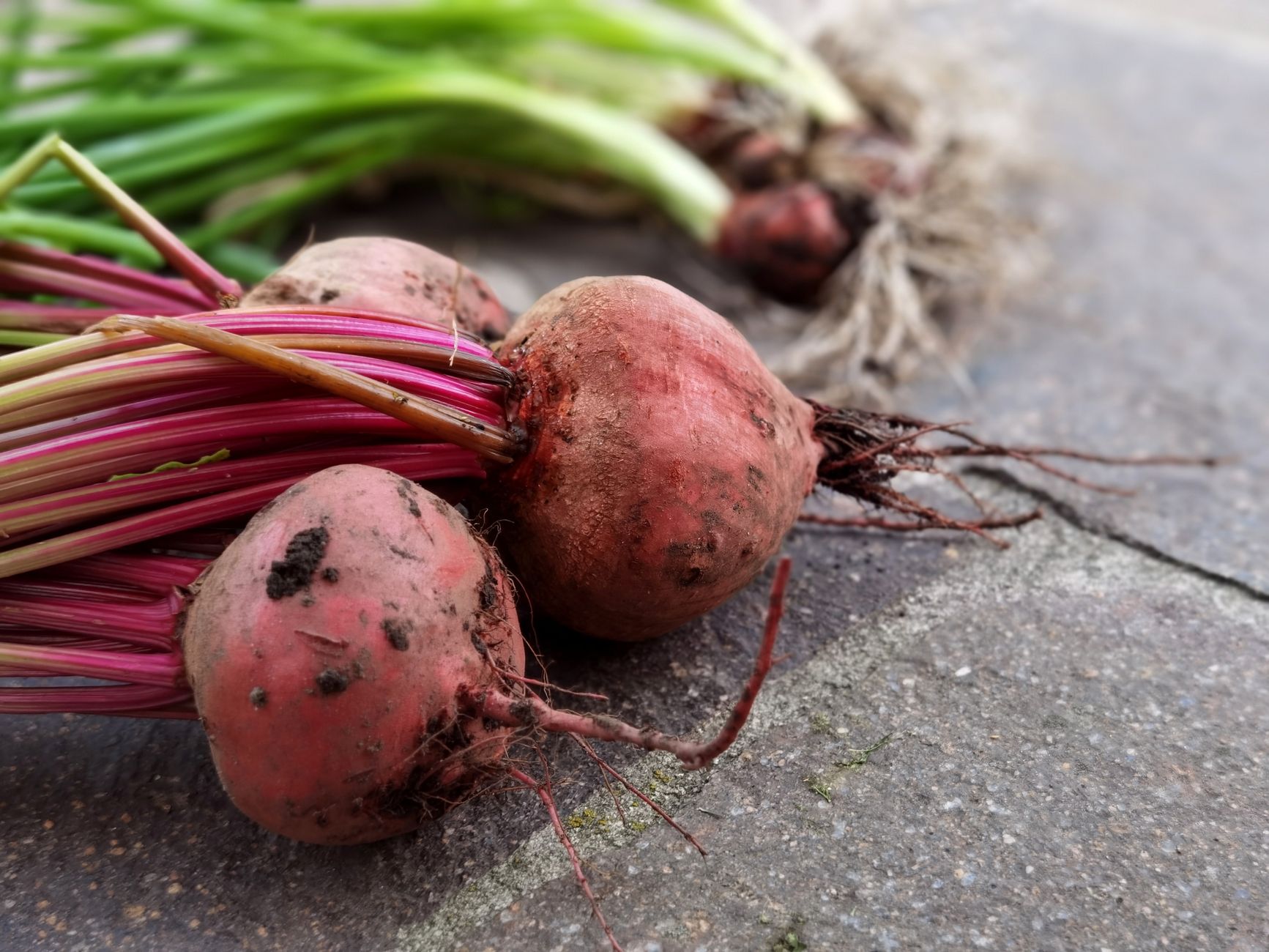
Why Beets Are Getting So Much Attention
Beetroot has moved from a simple salad ingredient to a popular wellness food, and for good reason. Doctors and dietitians often point out that beets are rich in fiber, folate, potassium, and plant compounds called betalains, which give them their deep red color.
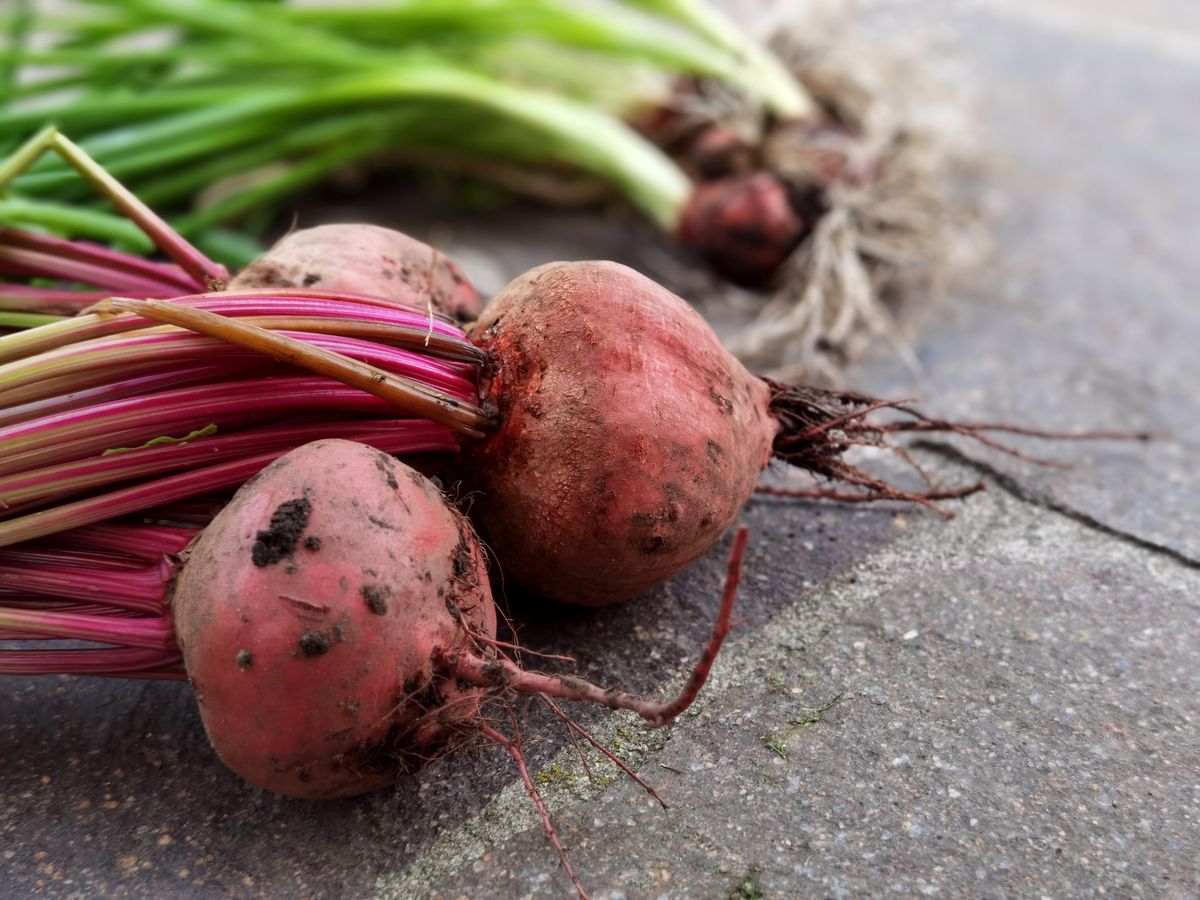
Adding beets to your diet does not create instant health changes, and it should not replace medical care. Still, for many people, beets can be a smart and affordable way to eat more vegetables and support a balanced diet.
The real advantage of beetroot is that it fits into everyday meals. You can roast it, grate it raw, blend it into smoothies, or add it to soups without needing expensive powders or complicated recipes.
What Doctors Say Happens Inside the Body
One reason beets are studied is their natural nitrate content. In the body, nitrates can be converted into nitric oxide, a compound that helps blood vessels relax. Some research suggests this may support modest improvements in blood pressure, especially as part of an overall healthy eating pattern.
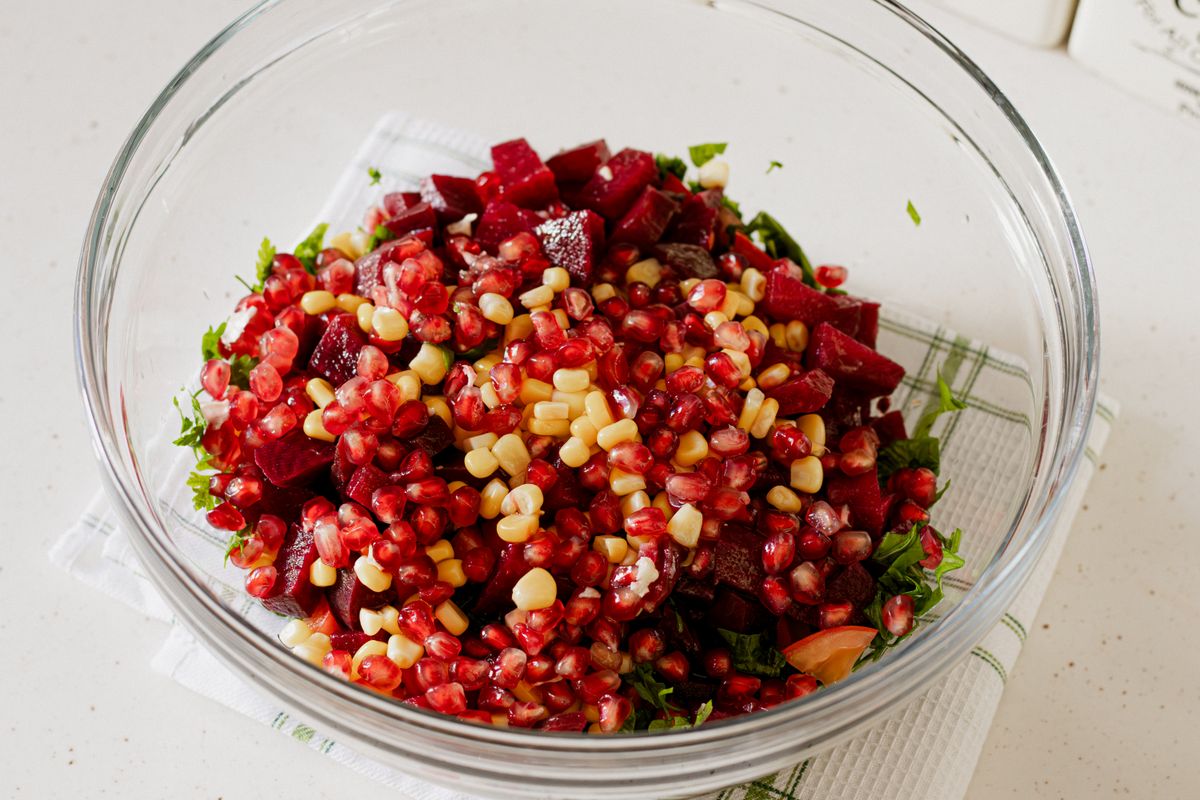
Beets also provide fiber, which helps feed good gut bacteria and supports regular digestion. They are not a magic cure for digestive problems, but they can help increase your daily vegetable and fiber intake when eaten with other whole foods.
The antioxidants in beets may help protect cells from everyday oxidative stress. Doctors usually describe this as supportive, not a treatment for disease. The biggest benefits come when beets are part of a diet that includes fruits, vegetables, beans, whole grains, healthy fats, and enough protein.
How to Add Beets to Your Diet the Easy Way
Start small if you do not eat beets often. Try half a cup of cooked beets a few times a week and see how your body feels. This helps your digestive system adjust to the extra fiber.

To cook them, wash the beets well, trim the ends, and roast them in foil or a covered dish until tender. Once cool, the skins usually slip off easily. You can slice them for salads, mash them into dips, or serve them beside eggs, chicken, fish, or lentils.
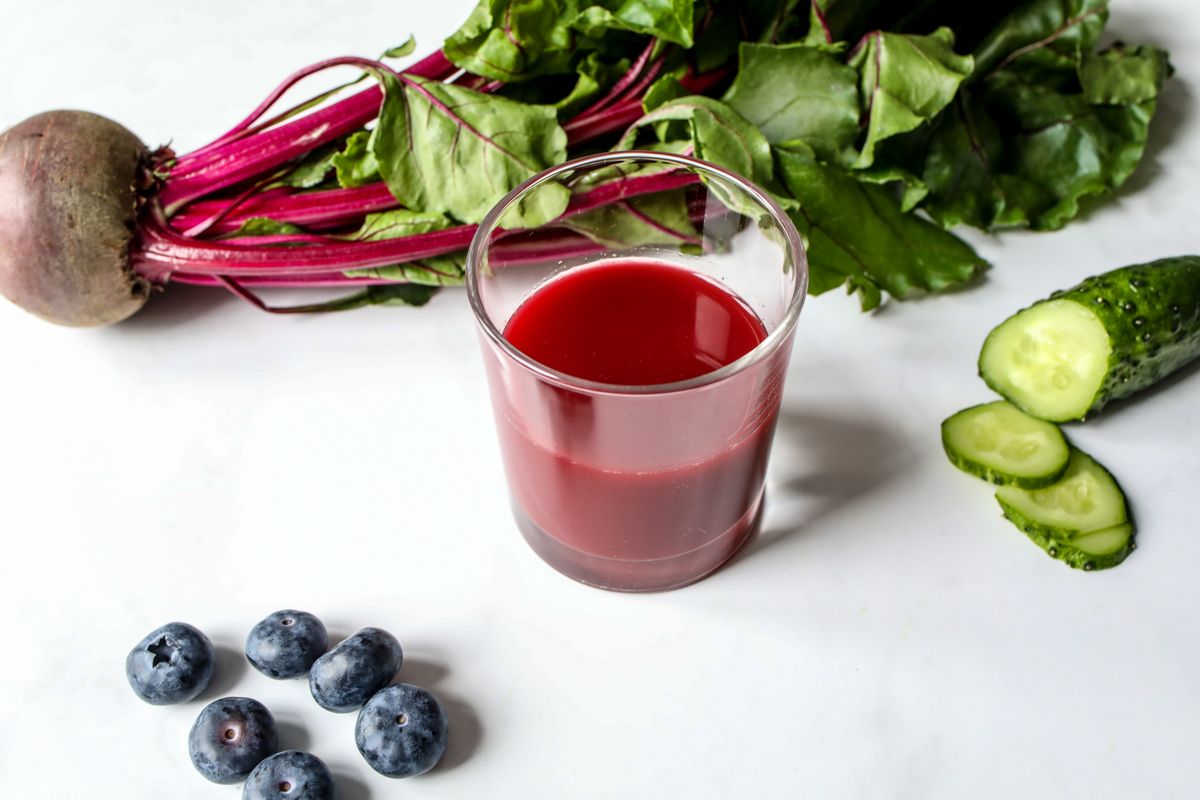
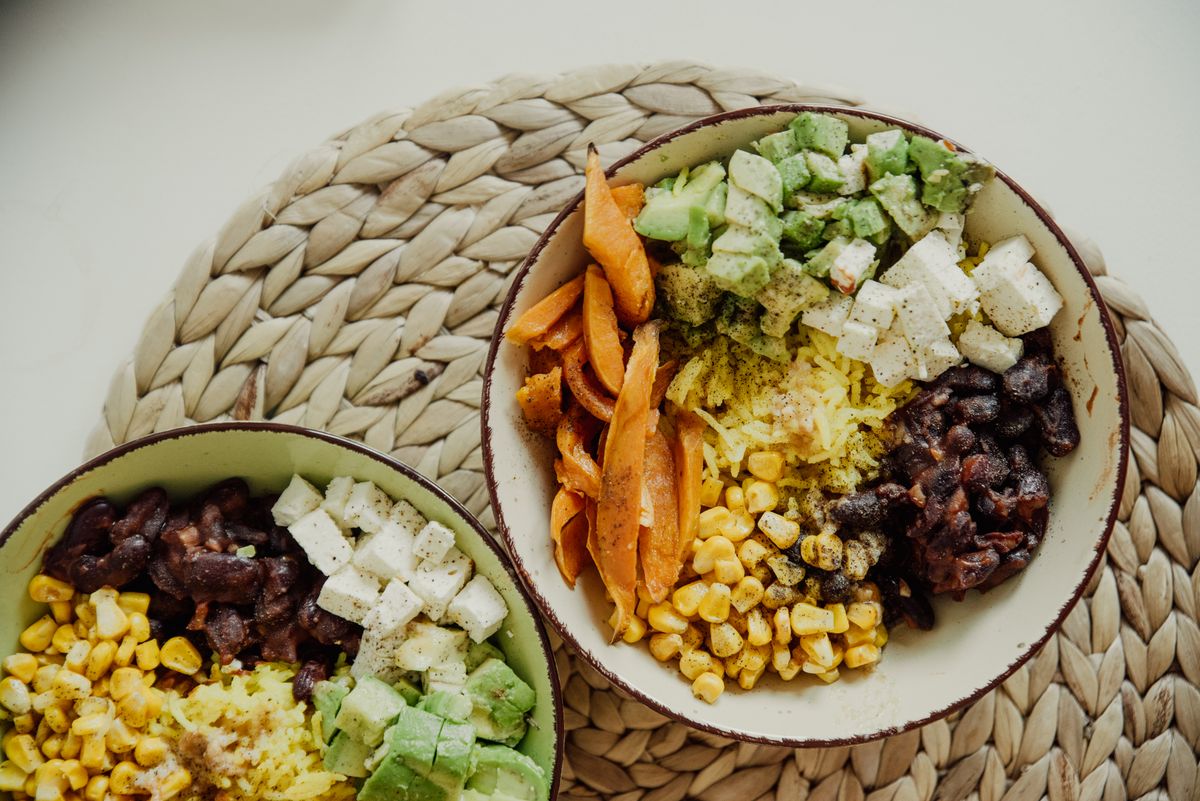
If you prefer raw beetroot, grate a small amount into slaw or a grain bowl. Beet juice is another option, but it is more concentrated and lower in fiber than whole beets, so many doctors recommend treating it as an occasional addition rather than a daily replacement for vegetables.
Benefits, Side Effects, and Common Mistakes
Many people notice that beets make meals more filling because of their fiber and natural sweetness. Athletes sometimes use beetroot juice before workouts because nitrate-rich foods may help exercise efficiency in some studies, but results vary from person to person.
A common surprise is red or pink urine or stool after eating beets. This is called beeturia and is usually harmless, but it can be alarming if you are not expecting it. If discoloration continues or you are unsure whether it is from beets, speak with a health professional.
Beets are also higher in oxalates than some vegetables, so people with a history of certain kidney stones may need to limit them. If you take blood pressure medicine, have kidney disease, or follow a restricted diet, ask your doctor or dietitian how often beets make sense for you.
Smart Tips for Making Beets a Healthy Habit
Pair beets with protein and healthy fat to make them more satisfying. Good combinations include beets with Greek yogurt, goat cheese, walnuts, chickpeas, eggs, or grilled chicken. A splash of lemon juice or vinegar can balance their earthy flavor.
Choose simple preparations most of the time. Boiled, roasted, steamed, or grated beets are usually better everyday choices than heavily sweetened beet drinks or salty pickled versions. Canned beets can be convenient, but check the label for added sodium or sugar.
The best way to use beetroot is as one colorful part of a varied plate. Doctors rarely recommend focusing on one food alone. If you enjoy beets and tolerate them well, they can be a practical, nutrient-rich addition to your weekly routine.
Frequently Asked Questions
Is it safe to eat beets every day?
For many healthy adults, small daily servings are safe, but variety is better. People with kidney stone risks, kidney disease, or special diets should ask a doctor.
Do beets really lower blood pressure?
Beets may support modest blood pressure improvements because of their natural nitrates, but they are not a substitute for prescribed medicine or medical advice.
Are raw beets better than cooked beets?
Both can be healthy. Raw beets keep a firm texture and fresh flavor, while cooked beets are easier for some people to digest.
Why does my urine turn pink after eating beets?
This can happen because of beet pigments and is usually harmless. If you are unsure or symptoms continue, contact a healthcare professional.
What is the easiest way to eat more beets?
Roast several beets at once, store them in the fridge, and add slices to salads, bowls, sandwiches, or simple side dishes during the week.
