
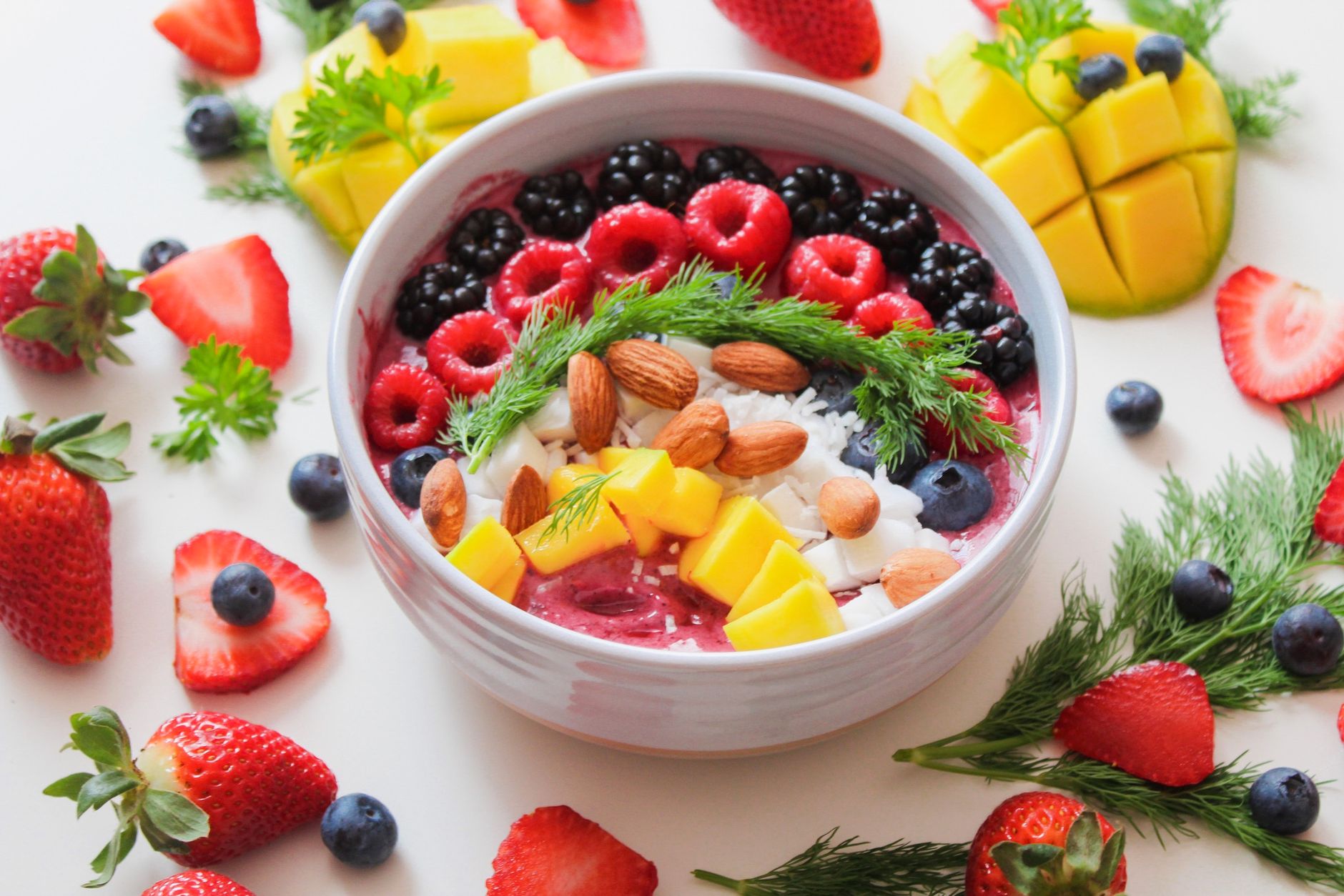
Can Food Really Help You Age Better?
The idea of “aging backwards” sounds exciting, but no food can literally turn back time. What food can do is support your body with nutrients that help you feel stronger, more energized, and better nourished as the years go by.
Aging well is not about one magic ingredient. It comes from daily habits, including balanced meals, movement, sleep, hydration, and regular medical care. The superfoods below are simple, everyday foods that can fit into a realistic routine.
Why These Foods Are Often Called Superfoods
“Superfood” is not a medical term. It is a popular word used for foods that are naturally rich in helpful nutrients, such as vitamins, minerals, fiber, healthy fats, and plant compounds.
Many of these foods are linked with balanced eating patterns like the Mediterranean diet, which includes vegetables, fruits, beans, whole grains, olive oil, nuts, and fish. Research suggests these patterns may support heart health and overall wellness, but results vary from person to person.
The best approach is to eat a variety of these foods instead of depending on only one. Your body needs many nutrients working together, and simple consistency matters more than perfection.
10 Superfoods to Add to Your Plate
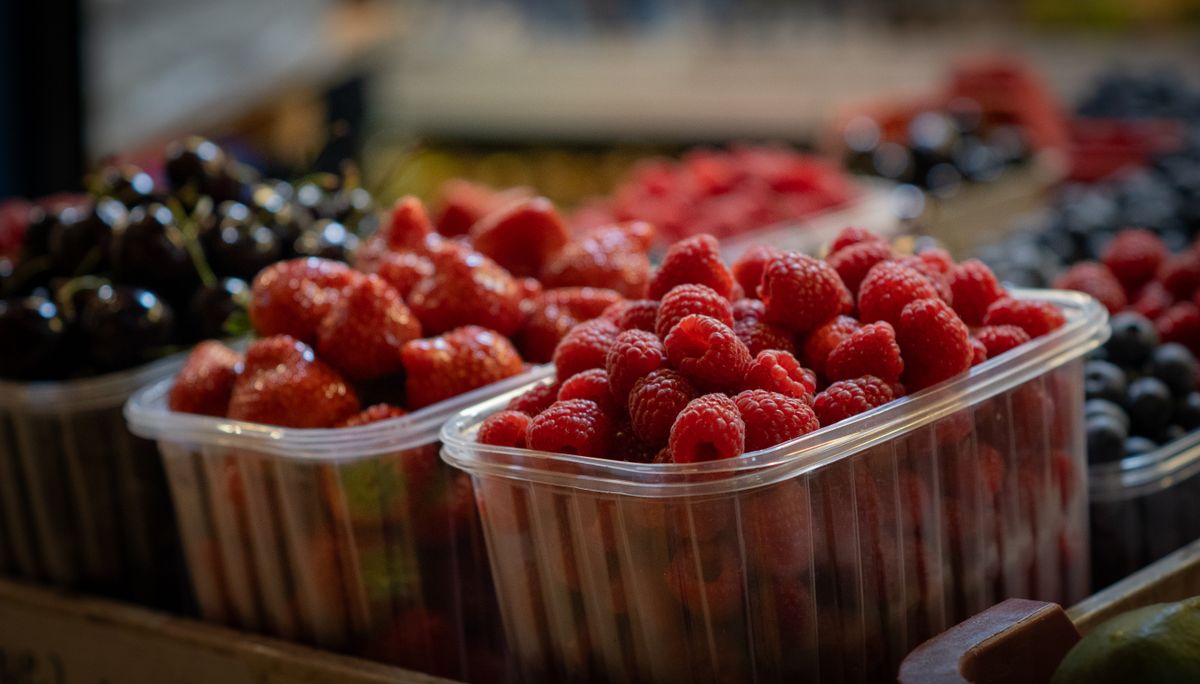
Start with berries, leafy greens, and fatty fish. Berries such as blueberries, strawberries, and raspberries provide fiber and colorful plant compounds. Leafy greens like spinach, kale, and arugula offer vitamins and minerals. Fatty fish such as salmon, sardines, and trout contain omega-3 fats, which are often included in heart-friendly eating plans.
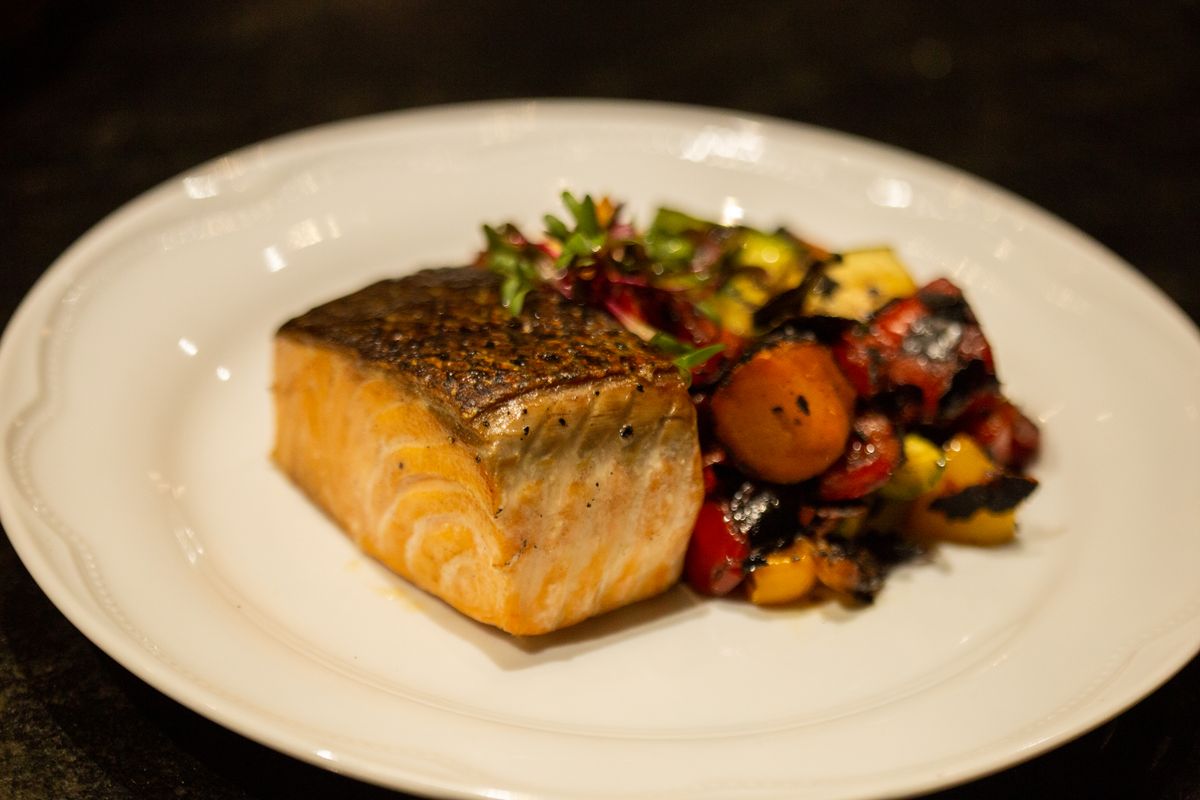
Next, add beans, nuts, and extra virgin olive oil. Beans and lentils are filling, affordable, and high in fiber and plant-based protein. Nuts such as walnuts, almonds, and pistachios give you healthy fats and crunch, but portions matter because they are calorie-dense. Extra virgin olive oil is a flavorful fat that works well in salads, cooked vegetables, and simple homemade dressings.
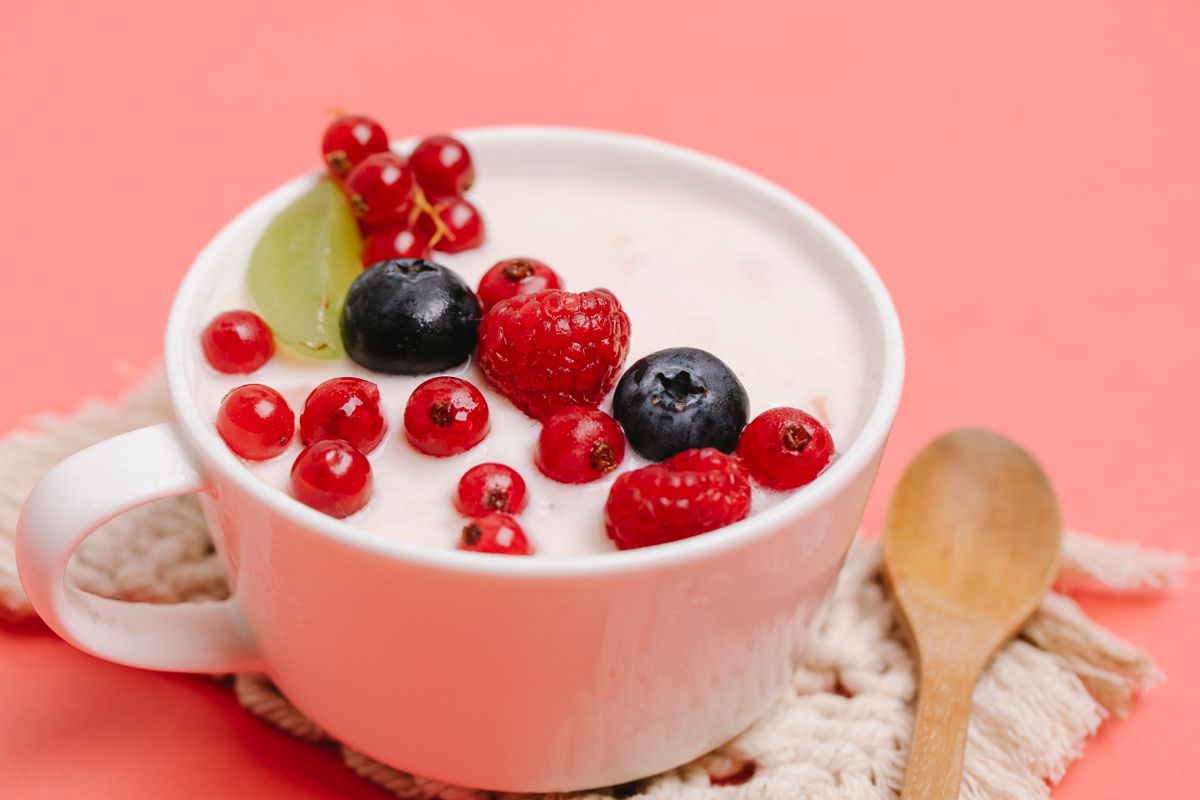
Round out your list with avocado, sweet potatoes, fermented yogurt or kefir, and green tea. Avocado adds creaminess and unsaturated fats. Sweet potatoes provide fiber and beta-carotene. Plain yogurt or kefir with live cultures can support a balanced gut-friendly diet for many people. Green tea is a light drink option that contains natural plant compounds, though it should not replace water or medical advice.
Benefits to Notice and Mistakes to Avoid
When these foods replace ultra-processed snacks or sugary choices, many people notice better meal satisfaction and steadier energy. They can also help you build plates with more color, texture, and fiber, which makes healthy eating feel less boring.
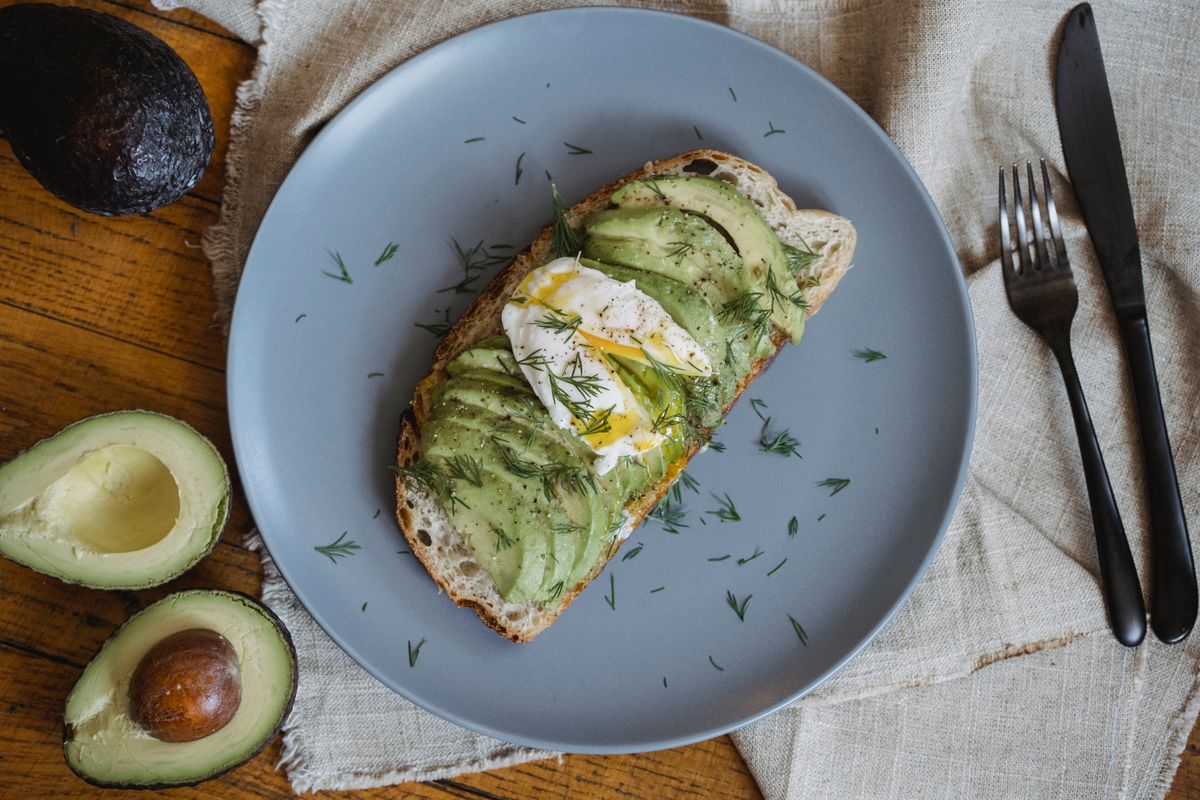
A common mistake is treating superfoods like a quick fix. Adding berries to a diet that is otherwise very high in sugar or low in nutrients will not do much on its own. Another mistake is overdoing healthy fats like nuts, avocado, and olive oil, which are nutritious but still high in calories.
Easy Ways to Eat Them More Often
Keep it simple by adding one superfood to each meal. Try berries with breakfast, leafy greens in a sandwich, beans in soup, olive oil on vegetables, or yogurt with nuts as a snack. Small habits are easier to repeat than strict food rules.
If you have allergies, take medication, are pregnant, or manage a health condition, ask a qualified health professional before making major diet changes. The goal is not to chase perfect anti-aging meals, but to build a way of eating that helps you feel good and supports long-term health.
Frequently Asked Questions
Can superfoods really make me look younger?
They cannot guarantee younger-looking skin, but nutrient-rich foods can support overall health, hydration, and balanced eating habits.
How often should I eat these foods?
Aim to include a few of them daily in normal portions, while keeping your meals varied and balanced.
Are frozen berries and vegetables still healthy?
Yes. Frozen fruits and vegetables can be nutritious, convenient, and often more affordable than fresh options.
What is the easiest superfood to start with?
Berries, beans, or leafy greens are easy choices because they can be added to many simple meals.
Do I need supplements if I eat these foods?
Not always. Supplements depend on your personal needs, so it is best to ask a healthcare professional.
