
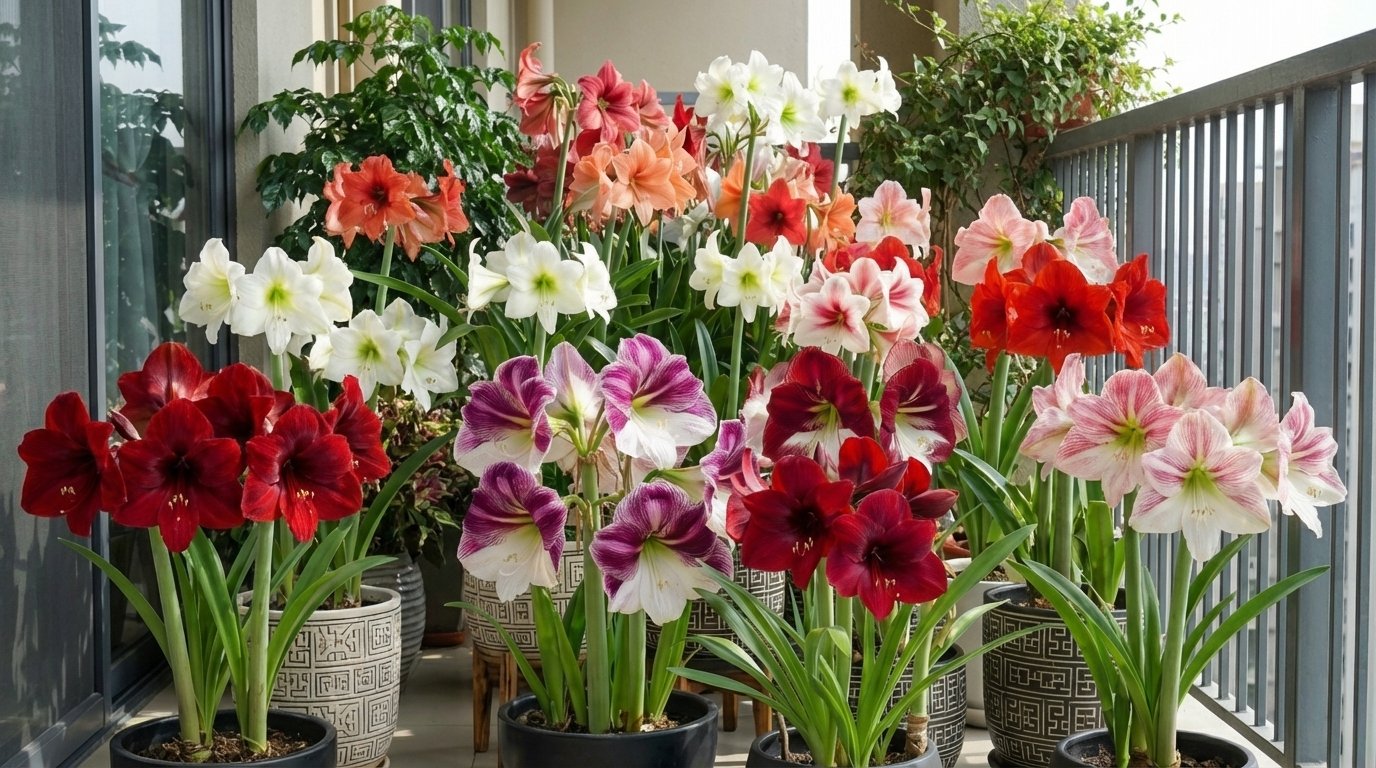
For its dramatic, trumpet-shaped, multi-colored flowers to fill your home with beauty and color, you may need a little guidance — and that’s exactly what we’re here for. This meaty bulb holds a secret treasure: stunning, robust tropical flowers with a flair like no other! With single or double blooms in shades of burgundy, salmon, rose, purple, and even green, we show you exactly how to force your amaryllis to push out its famous winter and spring flowers. Read on and get ready to be amazed!
How to Force Amaryllis to Bloom
True amaryllis bulbs (Amaryllis belladonna) are native to South Africa and have been cultivated and refined in Europe for centuries. The widespread hybrid varieties (Hippeastrum) commonly found in homes and gardens today, however, originate from South and Central America. Emerging from tiny green buds, this hybrid flower is a true sight for sore eyes, brightening even the gloomiest of days with its funnel-shaped blooms that can grow up to 10 inches wide. And the best part? You can force these magnificent tropical flowers to bloom indoors during the heart of winter — and we’re going to show you exactly how!
1. It Starts with a Bulb
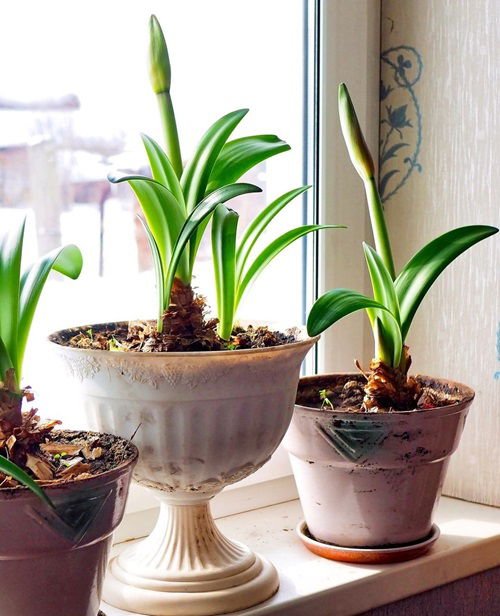
The very first step in forcing your amaryllis to bloom is selecting the right bulb. Always pick healthy, large-sized bulbs that are free from mold, soft spots, or any visible damage. The size of the bulb matters enormously — larger bulbs store more energy and therefore yield more abundant, vivacious, and long-lasting blooms. When planting, make sure to follow the correct planting depth: position the bulb so that roughly one-third of it sits above the soil line. This helps prevent excess moisture from accumulating around the base, which can lead to root rot.
If you’re growing your amaryllis in a container, make sure the pot is about one inch wider than the broadest part of the bulb and approximately twice as deep to allow the roots enough room to breathe and grow freely. Fill the container halfway with a sterile, organic-rich potting mix that includes peat moss for good drainage and moisture retention. Getting the foundation right from the very beginning makes all the difference in encouraging a healthy, flower-producing plant.

2. Make an Indoor-Outdoor Switch
Amaryllis thrives in warmth, preferring temperatures between 70–75°F (21–24°C) to grow robustly and form buds. So how is it that we associate it with stunning winter blooms? Hardy to USDA zones 7–10, this plant needs a bit of help when harsh weather rolls in. To force it into winter bloom, bring it indoors in the fall or plant its bulbs inside before the cold truly sets in. This strategic indoor-outdoor transition is one of the key secrets to getting those gorgeous winter flowers.
Once your amaryllis begins to bloom, keep it in a cool spot indoors — ideally around 60–65°F (15–18°C) — in a location with bright, indirect light. Alternatively, you can move it outdoors to a similarly sheltered spot with gentle, filtered light. This carefully managed schedule is perfectly designed to produce breathtaking winter blooms that will impress anyone who walks through your door.
Note: While amaryllis can tolerate mildly chilly conditions, sudden temperature drops below 35°F (2°C) can seriously damage or even kill the plant. Bringing it indoors before such cold snaps is essential to protect it from cold shock and ensure it continues to thrive.
3. Trick It into Rest
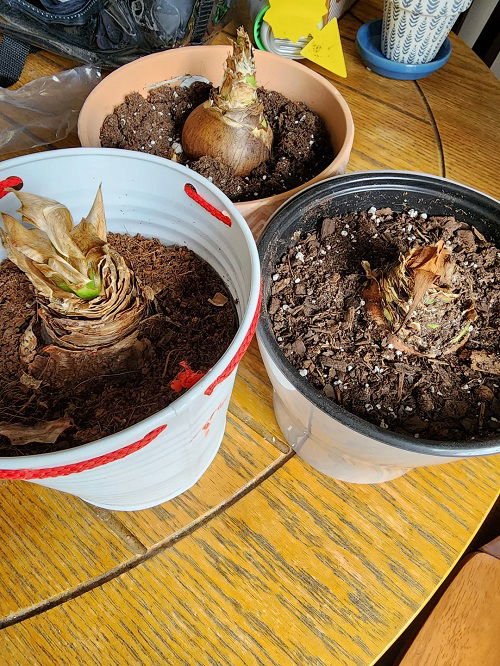
One of the most powerful tricks for forcing amaryllis to bloom is manipulating its dormancy cycle. Amaryllis absolutely needs a proper resting period — one filled with cool darkness — before it can muster the energy to produce its spectacular flowers. A dark room maintained at around 50–55°F (10–12°C) is ideal for this purpose. If you’re leaving the plant outdoors during this phase, apply a 2–3 inch layer of mulch over the soil to insulate the bulb, and stop watering entirely. Allow this dormancy period to continue for 8 to 12 weeks to effectively trigger the blooming response.
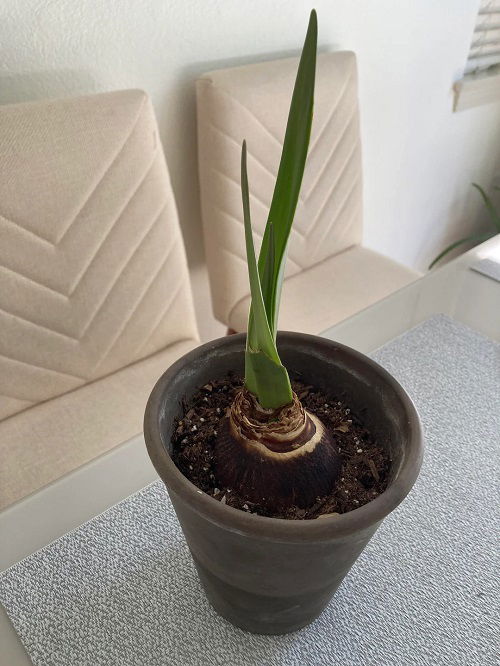
Timing is everything here: initiate the dormancy period in late summer or early fall for the best results. You’ll know when it’s time to end dormancy and bring the plant back to life when you spot fresh new growth emerging at the top of the bulb — a reliable and exciting signal that blooms are on their way!
4. And Then Some Sun
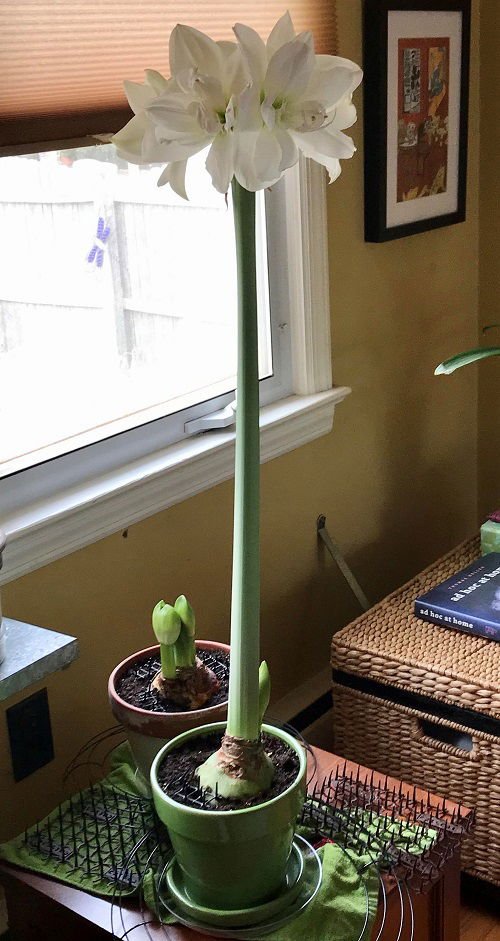
While Hippeastrum needs that cool, dark resting period to quietly build its energy and prepare its incredible blooms, it equally craves warmth and bright light once dormancy is over. After the rest period ends and new growth begins to appear, gradually transition the plant back into the light. Start by placing it in a bright spot with dappled or filtered sunlight, and slowly increase its exposure to full sun over time. This gradual introduction helps prevent leaf scorch and bloom damage from the sudden intensity of direct sunlight.
Indoors, a south-facing window is typically the best location to maximize light exposure during the shorter winter days. One often-overlooked but important tip: remember to rotate the pot regularly — every few days if possible — to ensure that all sides of the plant receive balanced light. Without this, the flower stalk may begin to stretch or lean heavily toward the light source, making it prone to toppling over. A simple quarter-turn every few days keeps your plant growing straight and strong.
5. Water It the Right Way
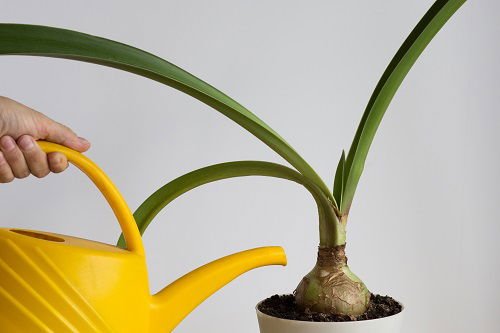
Amaryllis is naturally drought-hardy, but it still needs thoughtful, thorough hydration to produce its best blooms. The ideal approach is to water it deeply and then allow the top 1–2 inches of the soil surface to dry out completely before watering again. This watering rhythm is a crucial factor in encouraging the plant to push out its blooms. Think of it as a cycle of generous hydration followed by a patient drying-out period.
Overwatering is one of the most common mistakes and can quickly lead to root rot, poor nutrient absorption, and a dramatic reduction in blooms — or, in the worst cases, the death of the plant altogether. To be safe, always check the soil moisture before reaching for the watering can. Some experienced growers also recommend using lukewarm water rather than cold water, as the warmth is believed to help stimulate root activity and encourage blooming. It’s a simple trick worth trying, especially during cooler months when the plant needs all the encouragement it can get!
6. Give It a Dose of Nutrients
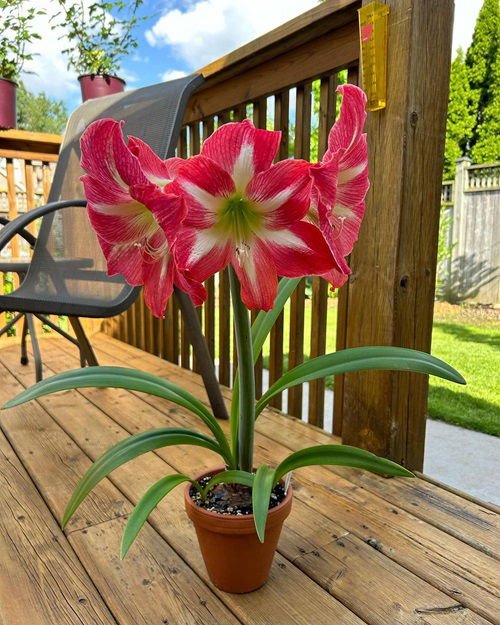
Not all fertilizers are created equal when it comes to encouraging flowers. Generic, all-purpose fertilizers are typically loaded with nitrogen, which is great for promoting lush, green foliage — but not for blooms. When it comes to flowering, phosphorus is the true secret ingredient. Phosphorus supports root development and directly stimulates flower production, making it the most important nutrient to focus on when you want more blooms from your amaryllis.
For best results, use a water-soluble fertilizer with an NPK ratio of 10-15-10, diluted to half its recommended strength, and apply it once every 3 to 4 weeks throughout the active growing season. This gentle but consistent feeding schedule provides the plant with the nutrients it needs without overwhelming it. One important rule: always stop fertilizing completely during the dormancy period. Feeding a resting plant can disrupt its natural cycle and actually reduce its blooming potential in the season ahead.
7. Pruning and Deadheading
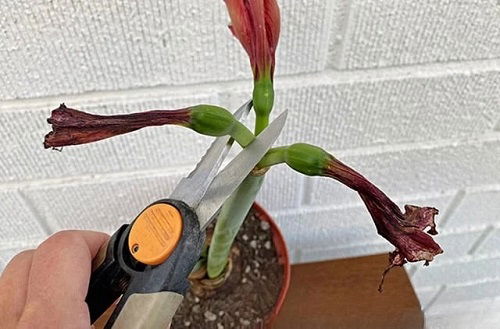
Pruning is an essential part of caring for your amaryllis, especially after it has finished its flowering cycle. Once the flower stalks begin to turn yellow, cut them back promptly. If you leave spent stalks in place, the plant will redirect its precious stored energy toward producing seeds rather than channeling it into the bulb for future growth and blooming. By removing these stalks early, you’re essentially telling the plant to save its energy for the next round of spectacular flowers.
In addition to removing spent stalks, snip back any yellowing or damaged foliage and deadhead individual flowers as soon as they begin to fade. This ongoing grooming encourages the plant to produce fresh new flower spikes rather than holding onto old, fading growth. On average, an amaryllis flower lasts around 3 to 4 weeks before it begins to wither and fade. Deadheading promptly and consistently throughout the blooming season can significantly extend the overall display and maximize the number of blooms you enjoy. With a little attentive care, your amaryllis can reward you with wave after wave of breathtaking color!
