
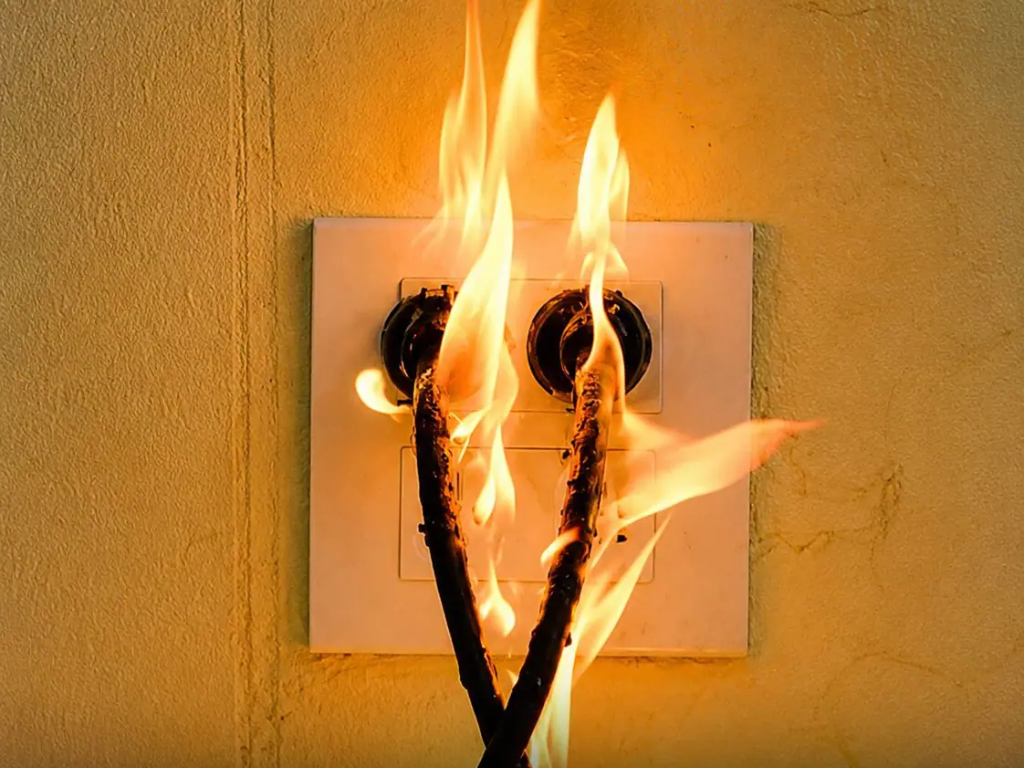
The Toaster: An Overlooked Enemy in Your Kitchen

The toaster is often overlooked, yet it can pose significant problems. Crumbs accumulating inside can create a fire hazard if the device accidentally turns on. When left plugged in, it continues to consume electricity unnecessarily. Not to mention the danger posed by paper towels or plastic packaging placed too close to the appliance. The good news is that regular maintenance combined with unplugging after each use is quick to do and can make a big difference in safety and energy savings.
The Coffee Maker: A Small Energy Waste That Adds Up
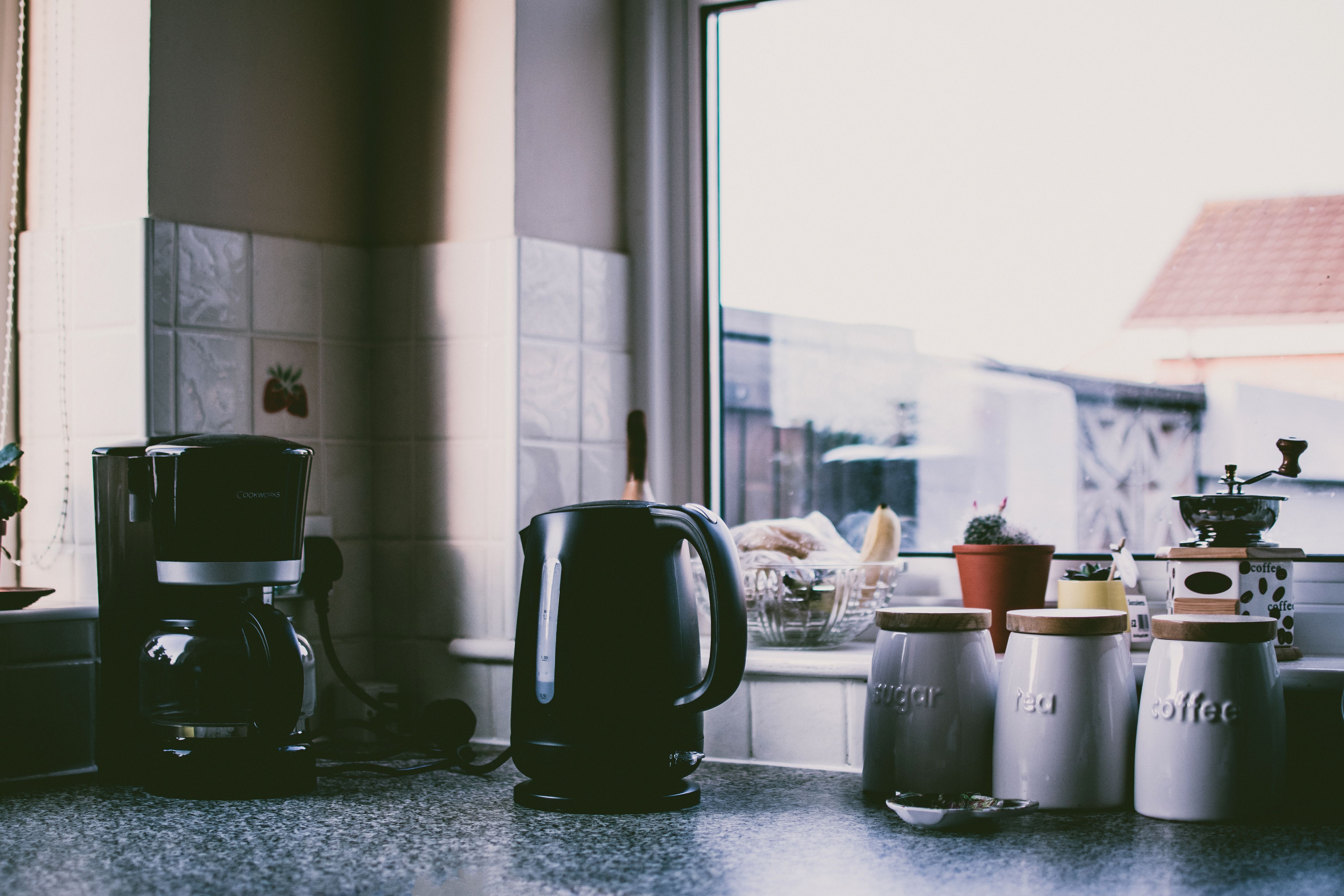
Your coffee maker keeps the time and keeps water warm, consuming electricity constantly. Many believe that with the automatic shut-off feature, energy consumption stops, but this is a misconception. In reality, this mechanism only stops the heating element, not the electrical power supply. Unplugging your coffee maker after brewing your morning coffee is a simple gesture that helps protect your appliance while lowering your electricity bill over time.
The Air Fryer: A New Appliance That Requires Caution
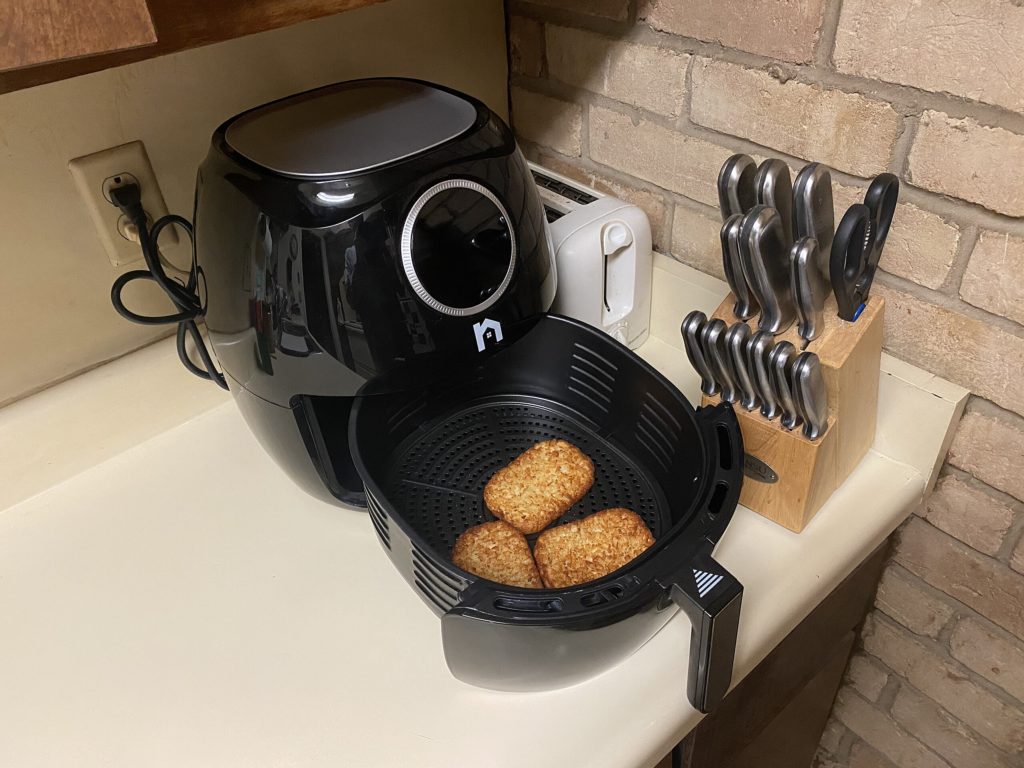

Air fryers have quickly taken a spot in our kitchens. However, their digital displays and built-in memories consume energy continuously. Moreover, due to the high temperatures they reach, leaving grease residues near the electrical outlets can be hazardous. It is essential to allow the appliance to cool down completely before unplugging it. This is a straightforward, effective, and safety-enhancing practice.
Space Heater: An Appliance to Handle with Care
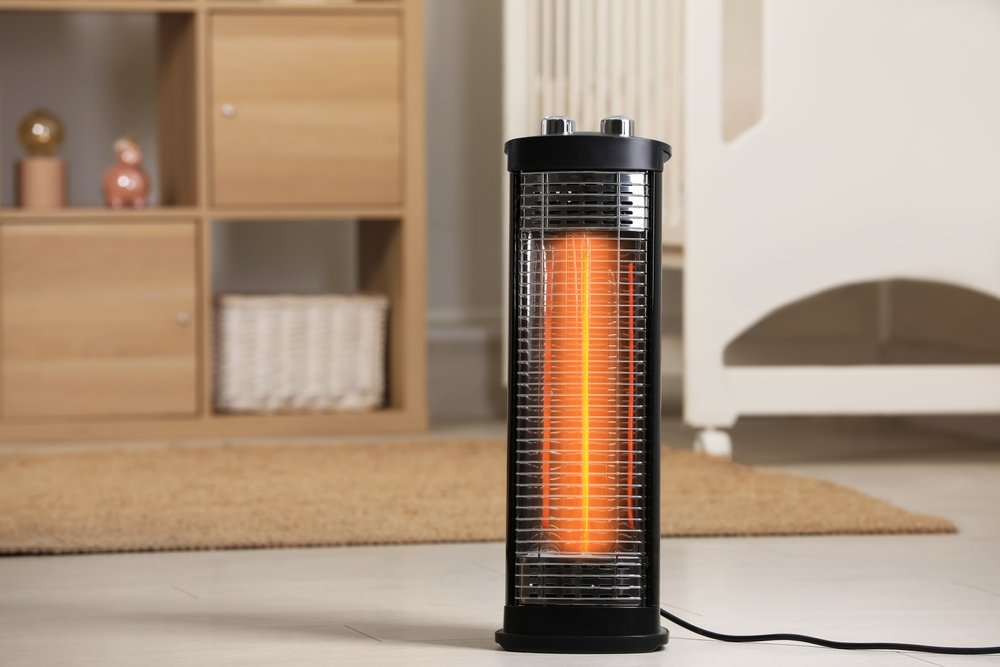
During the winter season, the space heater is a valuable ally. Yet it is also among the most energy-consuming devices. Even when turned off, if it remains plugged in, it can overheat or cause a short circuit if accidentally knocked over. Older models do not always have modern automatic safety features. The golden rule is simple: turn it off, unplug it, and ensure blankets or fabrics are kept away from the heater to prevent any accidents.
The Microwave: The Undisputed Champion of Phantom Energy Consumption
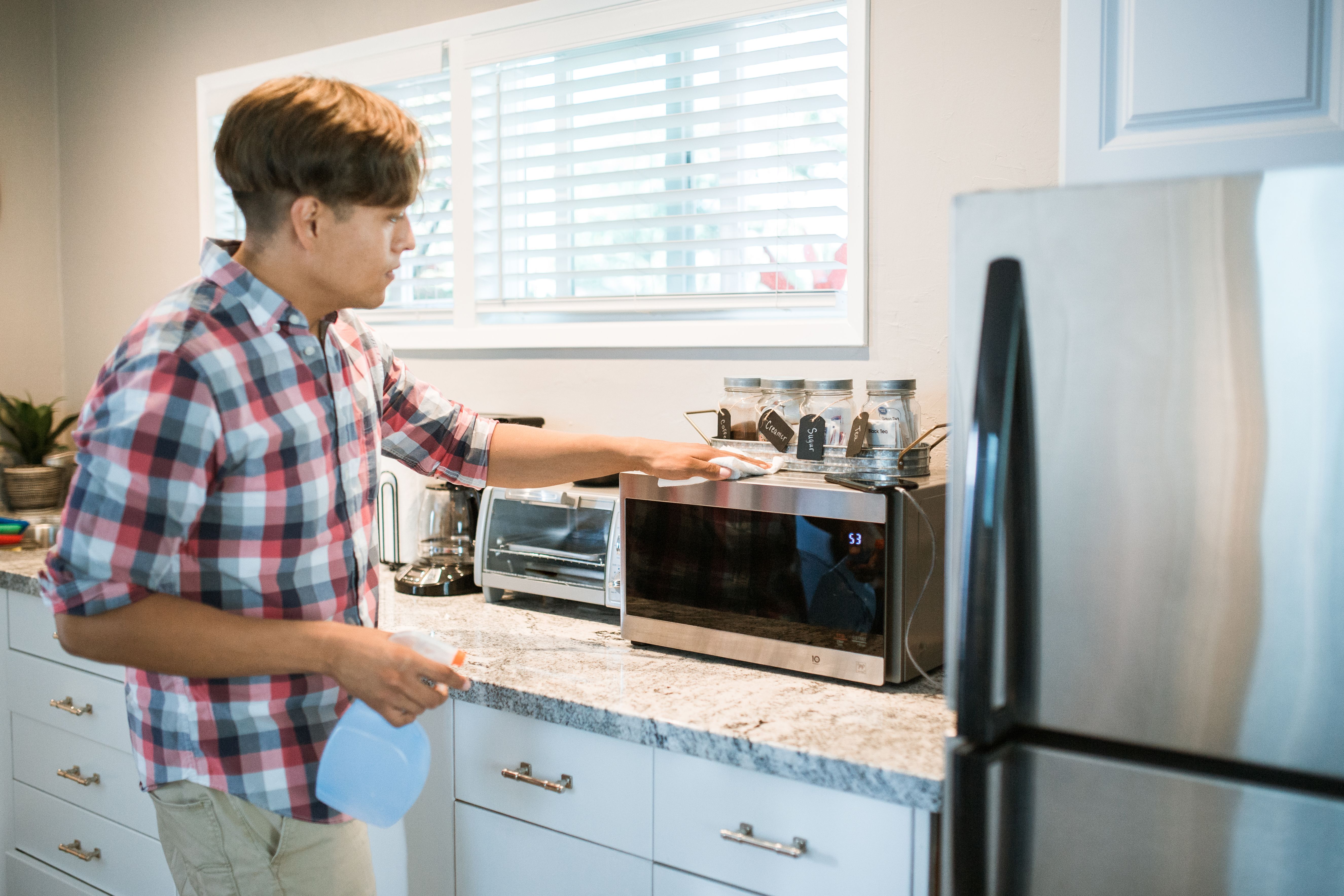
The clock displayed on your microwave runs continuously, 24 hours a day, 7 days a week. Its internal circuits stay powered to respond immediately to your commands. Because of this, it is one of the biggest energy consumers in standby mode in the kitchen. By unplugging it, you also get the opportunity to check and clean its interior—a dual benefit achieved with a single action.
Simple Habits for Greater Energy Savings

Beyond unplugging, it is important to regularly inspect cables and electrical outlets for any signs of wear. Avoid overloading power strips, especially with heating devices. Using surge protectors safeguards your equipment during storms. To maximize your savings, also choose LED bulbs, prefer cold wash cycles in your washing machine programs, and consider smart power strips that automatically cut power to devices on standby.
Unplugging your household appliances is likely the simplest and most effective action you can take starting today to protect your home and save energy.
