
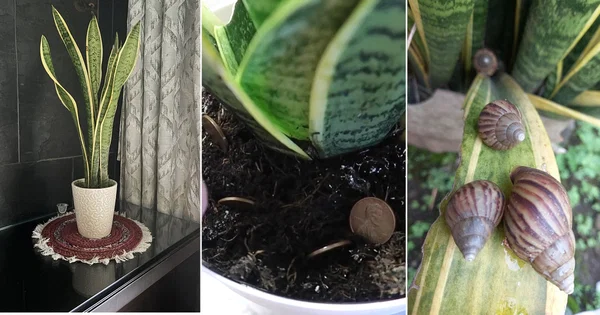
Gardeners are always experimenting with simple, creative ways to improve plant health. One unusual trick that has gained attention is burying old pennies in the soil of snake plants. While it may sound like superstition, this method actually has a scientific basis rooted in the properties of copper.
Older pennies, especially those made before 1982, contain a high percentage of copper. This metal is known for its protective and beneficial qualities in both nature and everyday use. When placed in soil, copper can influence plant health in subtle but meaningful ways.
Why Copper Pennies Can Benefit Snake Plants

Snake plants are hardy, low-maintenance plants, but they can still face issues like pests, bacteria, and fungal infections. Copper, found in older pennies, may help reduce some of these problems over time.
Natural Antibacterial Properties

Copper is well known for its antibacterial qualities. It can disrupt harmful microorganisms and reduce bacterial growth in the soil. This may help protect the roots of your snake plant and keep it healthier in the long run.
Helps Deter Slugs and Snails

Garden pests like slugs and snails dislike copper. When they come into contact with it, they experience a mild reaction that discourages them from staying. Adding pennies to the soil may offer a small layer of protection against these unwanted visitors.
Reduces Risk of Fungal Problems
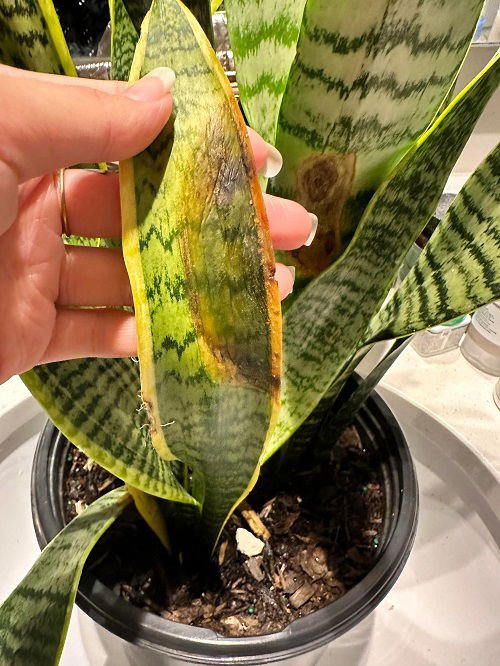
Fungal infections, often caused by overwatering, can damage snake plants. Copper has antifungal properties that may help limit the spread of fungi in the soil. While it is not a complete solution, it can provide an extra layer of defense.
Provides Trace Nutrients

Copper is also a micronutrient that plants need in very small amounts. As pennies slowly break down over time, they can release tiny amounts of copper into the soil, supporting plant functions such as photosynthesis and enzyme activity.
Best Practices for Using Pennies in Soil

What to Do
Use older pennies made before 1982, as they contain more copper. Clean them thoroughly before use to remove dirt or residue. Place them a few inches below the soil surface to allow gradual interaction with the soil.
What to Avoid
Avoid adding too many pennies, as this can interfere with soil balance and drainage. Do not expect immediate results, as this method works very slowly. Always monitor your plant’s condition and remove the pennies if you notice any negative changes.
This simple trick is not a miracle solution, but it can be an interesting and low-cost addition to your plant care routine. With patience, it may offer subtle benefits while adding a touch of curiosity to your gardening experience.
