
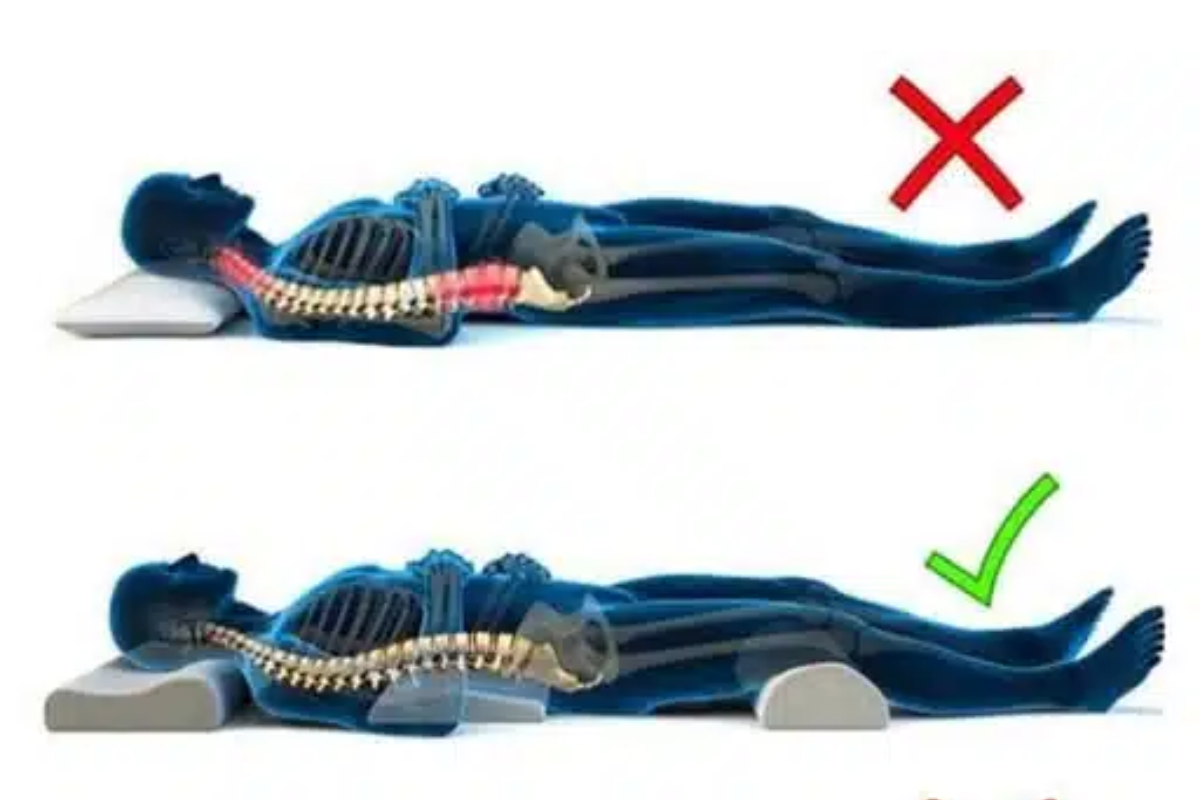
When we think about healthy habits, we often focus on diet, exercise, and stress management. But there’s one overlooked factor that influences your well-being every single night: your sleeping position. It may seem insignificant, but the way you sleep can affect your spine, digestion, circulation, and even your brain health. Curious? Here’s why your sleeping posture is crucial and how a few simple changes can improve your rest and overall health.
1. The Hidden Impact of Sleeping Posture
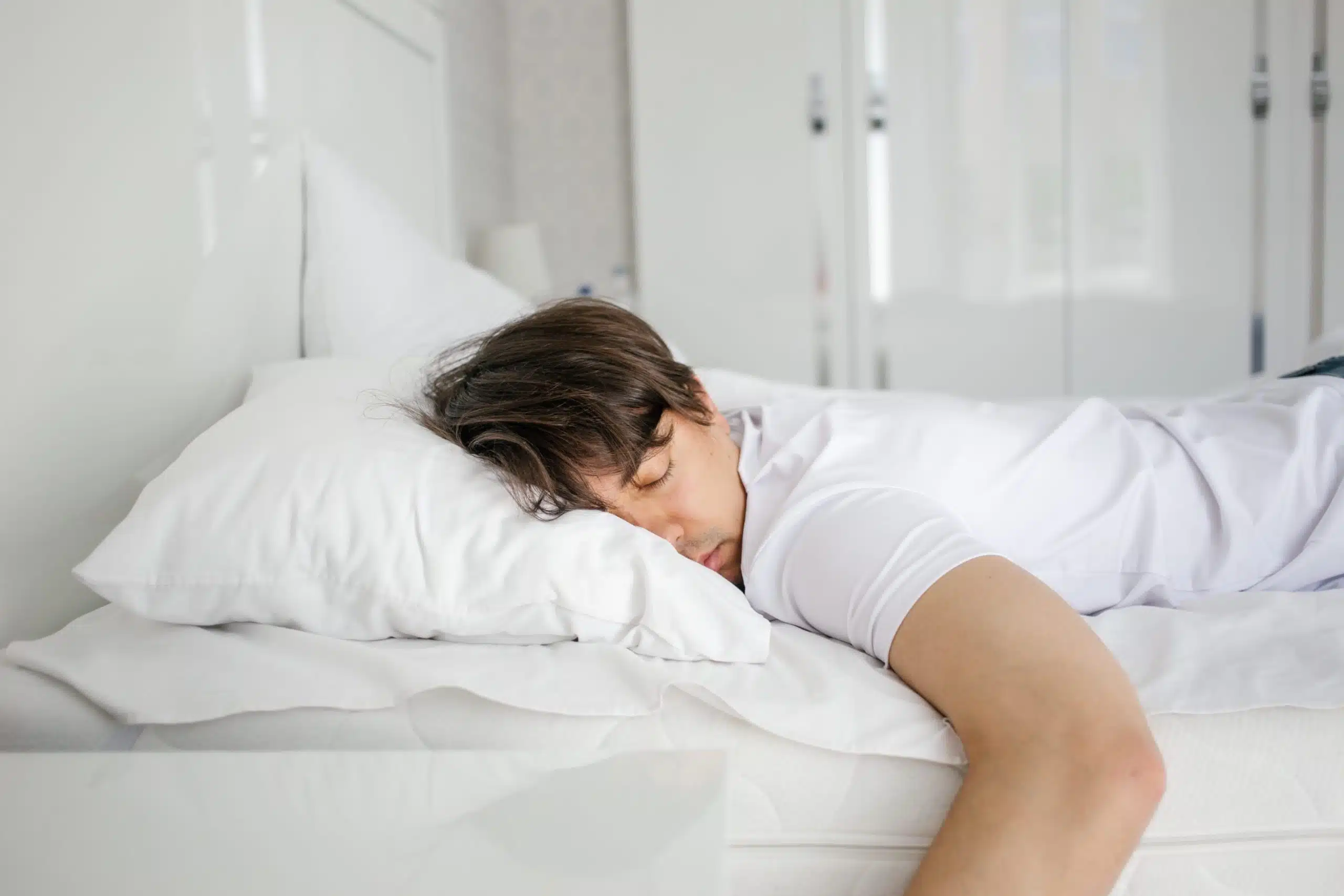
We spend nearly one-third of our lives asleep—thousands of hours in the same position. Yet many people don’t realize that a poor sleeping posture can lead to:
Chronic back or neck pain
Nerve compression
Poor circulation
Increased risk of acid reflux
Disrupted breathing (including snoring and sleep apnea)
Even if you sleep for eight hours, waking up tired or stiff may be a sign that your body isn’t resting in the right alignment.
2. The Worst Sleeping Positions (and Why to Avoid Them)


Sleeping on Your Stomach
At first glance, this position may feel comfortable—but it’s one of the most harmful for your spine and muscles.
Twisting the neck strains cervical joints
Flattens the natural curve of the spine
Causes lumbar (lower back) pain
May compress internal organs
Tip: If you’re a stomach sleeper, try gradually shifting to your side with a pillow hug for support.
Arms Above the Head
Many people rest their arms under the pillow or stretch them overhead, unknowingly causing:
Nerve compression leading to tingling and numbness
Shoulder tension and reduced mobility
Poor blood flow to the extremities
Try keeping your arms aligned with your torso or use a pillow to gently support them.
Fetal Position (Tightly Curled)
While curling up can feel cozy, being too tightly curled can be harmful.
Compresses the lungs, limiting oxygen intake
Increases spinal curvature, which may lead to long-term misalignment
Reduces flexibility and can cause hip tension
Sleep on your side with knees slightly bent, not tucked tightly.
3. The Best Position: Sleeping on Your Left Side

Health professionals widely recommend the left-side sleeping position for a variety of reasons:
Improves digestion: Gravity helps food move through the digestive tract
Enhances circulation: Especially beneficial for pregnant women and those with high blood pressure
Reduces acid reflux: Keeps the stomach below the esophagus
Supports spinal alignment: Relieves back pain
Boosts lymphatic drainage: The body’s natural detox process is more efficient on the left side
Pro tip: Place a body pillow or a cushion between your knees for optimal hip and spine alignment.
4. Surprising Links Between Sleeping Position and Health
Brain Detox at Night: Studies show side-sleeping may help clear brain waste linked to neurodegenerative diseases like Alzheimer’s.
Facial Wrinkles & Skin Health: Stomach or side sleeping with your face buried in a pillow can promote wrinkles and skin irritation.
Breathing Disorders: Supine sleeping (on the back) may worsen snoring and obstructive sleep apnea in some individuals.
5. Simple Tips to Improve Your Sleeping Posture
You don’t need to overhaul your entire routine to sleep better. Just try these simple changes:
Choose the Right Pillow: Align your head with your spine; avoid pillows that are too high or flat
Support Your Lower Body: A small pillow between the knees (side sleepers) or under the knees (back sleepers) can reduce pressure
Upgrade Your Mattress: A medium-firm mattress promotes spinal support without being too hard
Establish a Sleep Ritual: Gentle stretches, reading, or meditation help your body unwind
Keep Screens Away: Reduce blue light at least 1 hour before bed to allow natural melatonin production
Sleep Environment: Cool, dark, quiet spaces improve sleep quality dramatically
6. Your Nighttime Checklist for Better Sleep
Before you sleep tonight, ask yourself:
Is my spine aligned and well supported?
Do I wake up pain-free and refreshed?
Is my breathing smooth throughout the night?
If not, consider adjusting your position and setup. Good sleep isn’t just about quantity—it’s about quality and alignment.
Conclusion: Small Changes, Big Results
Your sleeping position might feel like a minor detail, but it plays a major role in your health. From digestion to spinal care, from circulation to brain detox—how you sleep impacts how you live.
Make a few thoughtful adjustments tonight and enjoy the lasting benefits of deeper, more restorative sleep. Your future self will thank you.
