
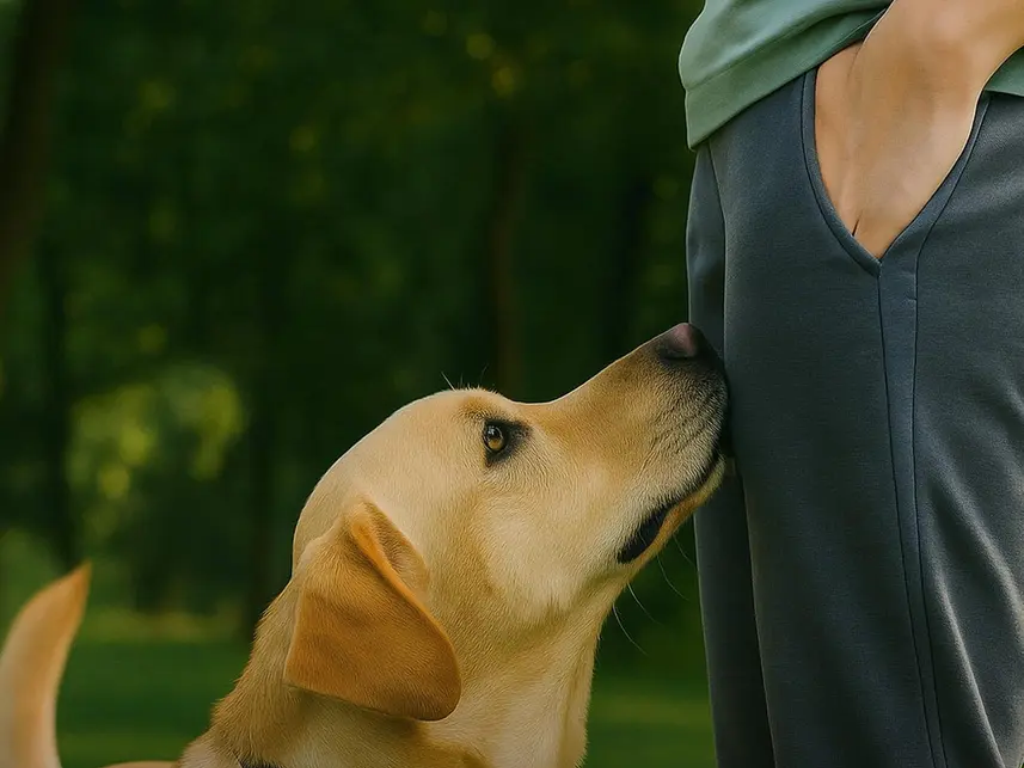
The Dog’s Nose: A True Olfactory Powerhouse

For our loyal four-legged companions, the sense of smell is far more than just one among many senses: it is their primary way of perceiving the world around them. While we humans possess roughly 6 million olfactory receptors, our dogs boast approximately 300 million. This remarkable difference explains their extraordinary ability to interpret their surroundings largely through scents.
When dogs sniff another living being, whether it is a human or another animal, they are actually accessing a genuine treasure trove of information invisible to our senses. Every individual emits a unique olfactory signature, an invisible profile that only the dog’s exceptionally sensitive nose can decipher.
The Genital Area: An Indispensable Source of Clues

Contrary to common misconceptions, this behavior is neither rude nor inappropriate. Dogs are naturally drawn to the apocrine glands, which are especially concentrated in the genital regions. These glands release pheromones, chemical messengers that convey a vast amount of information: emotional state, physical condition, stress level, and even reproductive cycle.
In canine language, this olfactory exploration is equivalent to the human way of greeting someone. It is their highly expressive way of saying “hello, how are you?” far more meaningful to them than a mere pat or a verbal greeting.
Should We Be Concerned About This Behavior?
Absolutely not! This sniffing is an essential part of canine social interaction. Through this olfactory exchange, dogs establish their hierarchy, recognize their peers, and define social bonds within their group. When your dog shows such interest in your guests, do not consider it intrusive: they are simply trying to get to know them through scent and welcome them into their familiar world.
How to Manage Embarrassing Situations?
Although this behavior is natural, it can sometimes make some visitors uncomfortable. The key lies in prevention and gentle redirection. Teach your dog simple commands like “stop” or “heel” and reward compliance during these moments. A positive approach is always preferable to reprimands, which could unnecessarily confuse or distress your pet.
An Extraordinary Sense of Smell
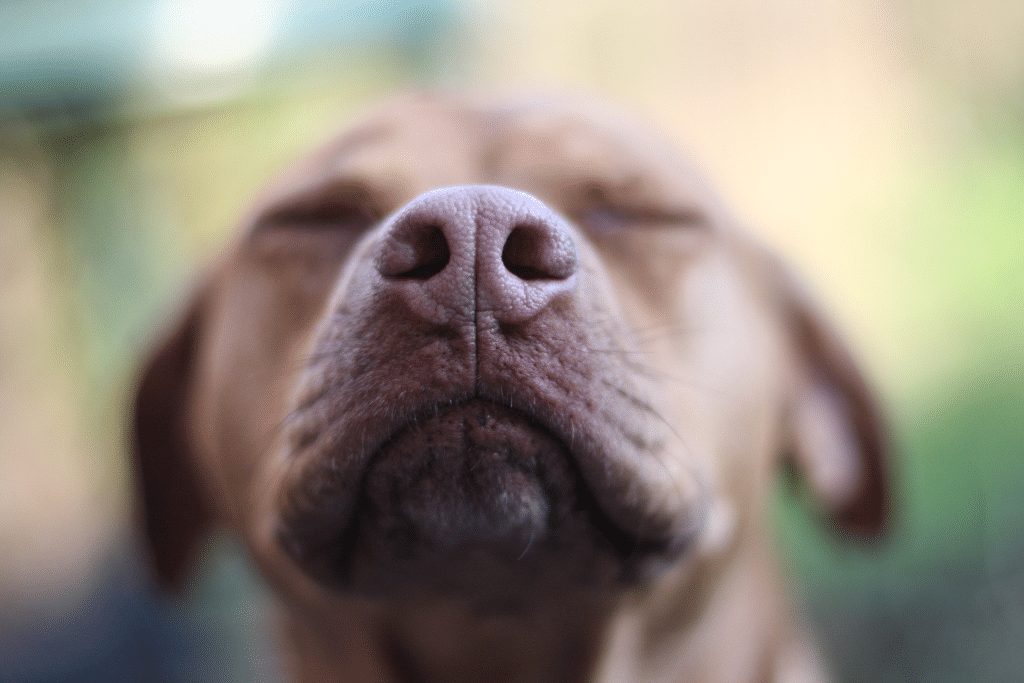
What is even more fascinating is that this exceptional nose is not only used for social exchanges. Certain dogs can detect hormonal or metabolic changes in humans. Some breeds have even been trained to predict epileptic seizures, alert to blood sugar fluctuations, or identify diseases at an early stage.
Thus, if your dog seems particularly drawn to a person, they may be sensing something completely beyond human perception. This adds yet another reason to respect and marvel at their extraordinary abilities.
Changing Our Perspective on This Behavior
It is true that this type of behavior can sometimes appear strange or even embarrassing to us. Yet in canine communication, it is a sign of interest—and even affection. Your dog has no intention of causing you any discomfort: they are simply acting on their deepest instincts.
Next time your four-legged companion shows a marked curiosity toward a visitor, remember that it is not rudeness but their own way of saying hello.
