

Browsing through old photographs from the 1970s, it is striking to notice how slender and balanced the figures appear, as if everyone naturally maintained good physical shape without following any particular diet. This observation often raises the question: why were people thinner during that time? Was it linked to their diet, their lifestyle, or was it simply an illusion? In truth, several habits from that era explain this difference, and some of these might even inspire us today.
A Simple and Natural Daily Diet
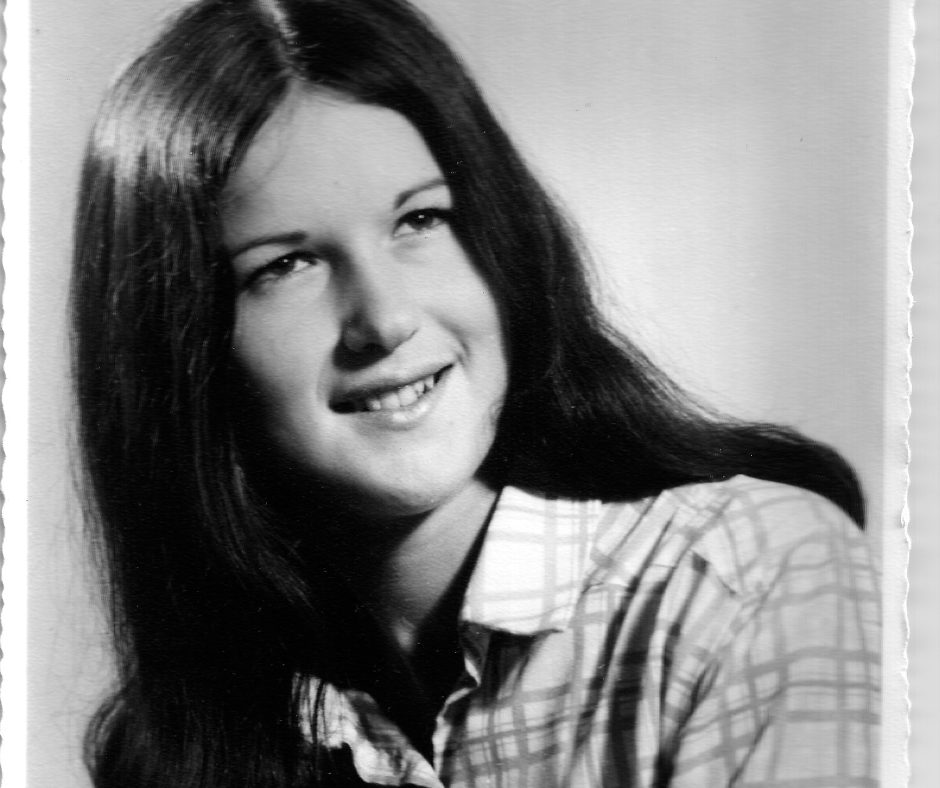
During the 1970s, the vast majority of meals were prepared at home. Seasonal vegetables were favored, along with homemade dishes based on basic recipes, soups, and proteins such as meat or fish, accompanied by bread, rice, or pasta. While processed foods already existed, they were much less common in daily eating habits than they are today.
The consumption of ultra-processed products, such as commercial biscuits, sodas, and snacks, was significantly more limited. Meals were typically enjoyed seated at the table at regular times, and snacking between meals was rare. Without necessarily realizing it, people followed a more balanced and natural diet.
Another notable difference was portion sizes, which were often smaller than today’s servings, especially when eating out.

A Daily Routine Marked by Unintentional Physical Activity

Nowadays, there is much discussion about sports, fitness, and formal training sessions. However, in the 1970s, organized sports were less widespread, but paradoxically, people moved more.
Walking was common: for shopping, going to school or work. Children spent long hours playing outdoors. Adults engaged in gardening, DIY projects, cycling, dancing, or simply taking walks. Physical movement was naturally integrated into daily life without requiring specific scheduling.
Compare that with today’s lifestyle, where it is possible to remain seated all day long: car rides, office desks, sofas, smartphones… This sedentary lifestyle demands major adjustments for health.
Fewer Screens, More Interaction and Activities
An important detail from that time: there were no smartphones, social networks, or streaming platforms encouraging people to remain glued to screens for hours on end.
Television was present, of course, but channel selection was limited and programs ended relatively early each evening. People spent more time going out, talking, walking, tinkering, or meeting with loved ones.
Sometimes boredom was even experienced… and it was precisely this boredom that prompted people to get up, move around, and try new activities.
A Simpler Relationship with Food
Another major difference: at that time, people did not constantly think about calories, diets, or strategies for losing weight. They ate naturally, without over-analyzing every bite.
Ironically, although there is much more talk about nutrition today, the consumption of processed products rich in sugars or additives is often higher.
In the 1970s, meals were primarily a time for sharing and routine, far from the stress or constant control that can characterize our current relationship with food.
A Slower and Less Stressful Pace of Life
Life moved at a gentler pace: fewer emails, fewer notifications, and less constant pressure. Days were structured around work, meals, and then sleep.
Stress plays a crucial role in weight management and eating habits: when stressed, sleep worsens, eating tends to be faster, snacking increases, and physical activity decreases. Consequently, modern lifestyle strongly impacts weight gain.
What the 1970s Can Teach Us
This is not to romanticize the past as if everything was better, but certain practices were very beneficial, often unconsciously:
- Prioritizing simple, homemade meals
- Incorporating daily movement without necessarily doing formal sports
- Walking as much as possible
- Eating at regular times
- Ensuring sufficient sleep
- Reducing screen time
- Engaging in active hobbies
- Taking time to fully enjoy life
Ultimately, people were not thinner because they made particular efforts, but because their overall lifestyle was naturally more active, more balanced, and closer to nature. The lifestyle of the 1970s therefore favored, without particular intention, a stable weight and better health.
Sometimes, to feel better in one’s body, it is not necessary to revolutionize one’s habits, but simply to reconnect with simple and natural practices that our parents and grandparents already knew.
