
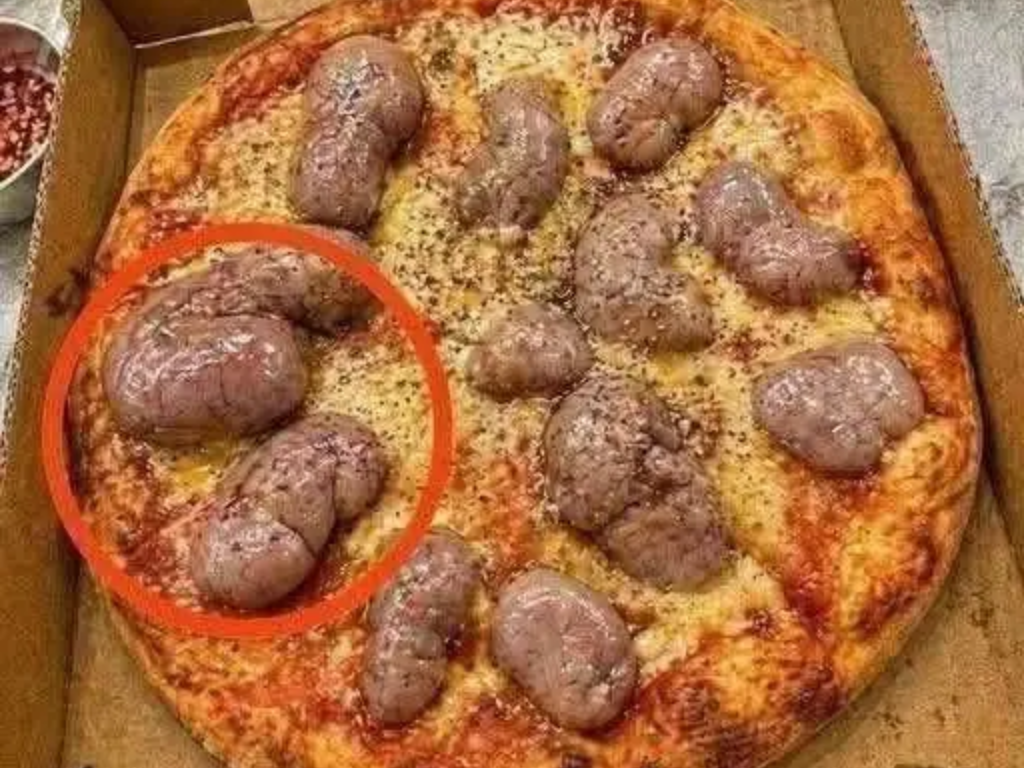
What Are Those Bubbles on Your Pizza Cheese Really?
We have all looked at our pizza with a hint of suspicion, wondering if those little bubbles on the cheese indicate some kind of problem. Rest assured: these bubbles are completely natural. They appear during baking, when the intense heat of the oven acts on the cheese. It is by no means a defect or a sign of trouble. On the contrary, they often indicate a perfectly successful cooking!

Understanding the Bubble Phenomenon: Simplified Science
This fairly common phenomenon can be explained primarily by three essential factors:
Moisture contained in the cheese. Every type of cheese contains a certain amount of water. When heated, this moisture turns into steam, forming small air pockets beneath the surface of the cheese—visible bubbles to the naked eye. The higher the water content of the cheese, the more numerous these bubbles become.
Cooking temperature. In professional pizzerias, cooking is done at very high temperatures, often between 350 and 450 °C (662 and 842 °F), especially in a wood-fired oven. This intense heat accelerates the formation of these characteristic bubbles on the cheese.
The type of cheese used. Not all cheeses react the same way to heat. Mozzarella, highly appreciated on pizzas, is particularly sensitive and reactive. While some cheeses high in fat melt in a more uniform way, others can form more bubbles, almost like “boiling” on the surface.
Is It Safe to Eat a Pizza with Bubbles on the Cheese?
The answer is clear and unequivocal: yes, absolutely! These bubbles do not indicate any quality defect or health risk. In fact, a well-grilled pizza, adorned with these little golden cheese blisters, perfectly meets the expectations of true Italian pizza lovers. These slightly caramelized spots add crunch, extra texture, and delicious flavors that delight the palate.
Tips to Limit Bubbles When You Cook Your Pizza
If you make your pizza at home and want a smoother cheese surface, here are some practical tips to apply:
– Prick the dough before topping it: this prevents air from getting trapped and puffing up beneath the crust.
– Drain the mozzarella carefully to reduce its moisture before placing it on the dough.
– Choose a slightly lower cooking temperature if you prefer melted cheese without visible bubbles.
– Experiment with other cheeses like Emmental or Comté, which tend to melt more evenly.
These small adjustments make a big difference in the final result, and it’s always enjoyable to share these tips with friends or family!
The next time you open a pizza box, those little bubbles might make you smile—they are a sign of careful and thoughtful cooking.
