
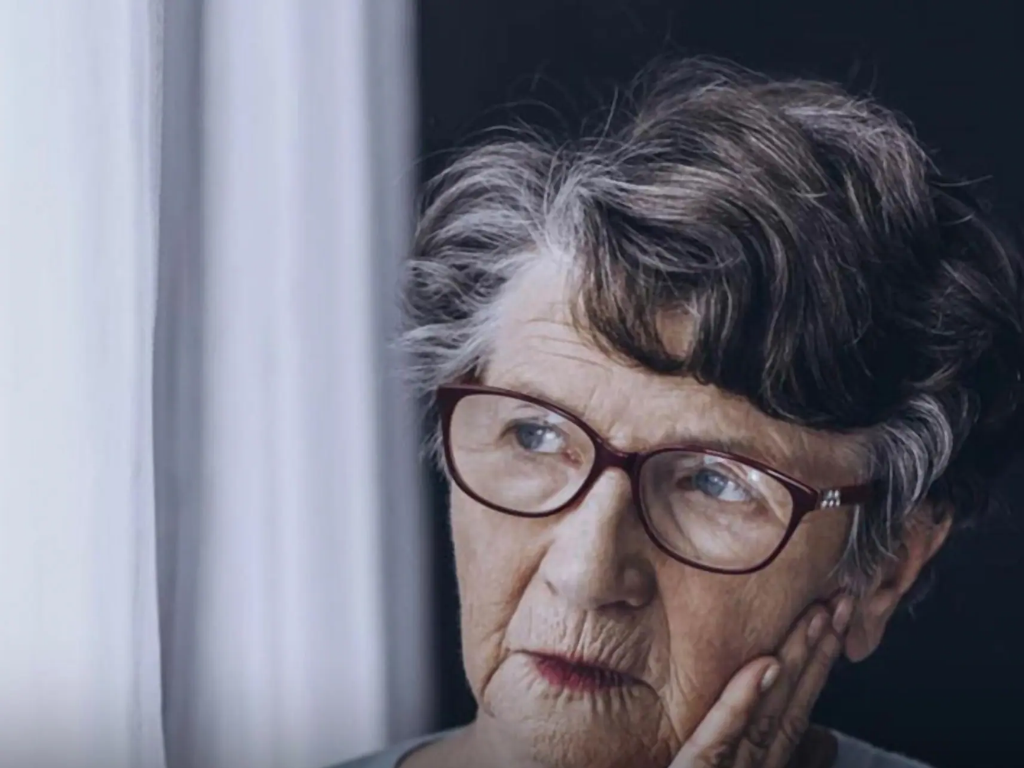
This phenomenon does not stem from a lack of love. Often, it results from a buildup of small misunderstandings, hurried words, or questions asked with kindness but perceived as intrusive. The relationship between parents and children evolves over time, and this evolution can sometimes create a distance that was never intended.
Love That Transforms Over Time

Contrary to common beliefs, grown children rarely distance themselves out of indifference or rejection. More often, they create space in response to situations that have become uncomfortable, confusing, or too emotionally charged. This is not a rejection of love, but rather a way to breathe. Conversations that once felt effortless can suddenly become delicate: a piece of advice may be taken as criticism, a sign of concern may seem like a questionable judgment. Gradually, both sides avoid painful topics: parents hold back their words to avoid causing upset, while children close off to avoid disappointing. In this way, two deeply connected worlds hesitate to reconnect with the spontaneity they once shared.
Boundaries: A Path Between Generations
Within this dynamic, boundaries should not be viewed as barriers but as bridges. When an adult child says, “I’d prefer we avoid that topic,” or “We have a different way of doing things with our children,” they do not intend to hurt but to establish a protective framework for the relationship. On the other hand, responding with statements like “You’re overreacting” or “I have the right to say what I think” minimizes the other person’s feelings. In doing so, the balance of the relationship weakens. Respecting these boundaries does not mean drifting apart—in fact, it is one of the most reliable ways to maintain a healthy and lasting connection.
The Weight of the Past That Clouds Recognition of the Adult

Another challenge arises when the past occupies too prominent a place. Continuously speaking about the child one once was, without truly recognizing the adult person becoming, can trap that person in an outdated role. Many feel reduced to a former version of themselves, while they aspire to be heard and valued for their current choices, achievements, and the challenges they face today. This sincere recognition opens the door to authentic and meaningful exchanges—those capable of truly bringing hearts closer together. In the distance one senses, there are no villains or ungrateful hearts, only different sensitivities searching for their place. Between worried parents and protective children, a gulf may form… but it is never insurmountable.
Taking a Gentle Step Toward Each Other
The key to rebuilding a lasting relationship is often simpler than imagined:
- listen without trying to correct;
- ask without insisting;
- welcome without comparing;
- recognize without minimizing.
A single question can transform a conversation:
“Who are you today?”
It opens a new dialogue, freed from the expectations of the past.
The true tragedy is not the physical distance that can grow between children and their parents, but when home ceases to be a place where one feels heard. Fortunately, all of this can be repaired.
Sometimes, a simple gesture, a softer word, or a different type of conversation is enough to allow the heart to take a step toward the other. Because even when distance settles in, love never disappears: it simply waits for the space it deserves to be restored again.
