
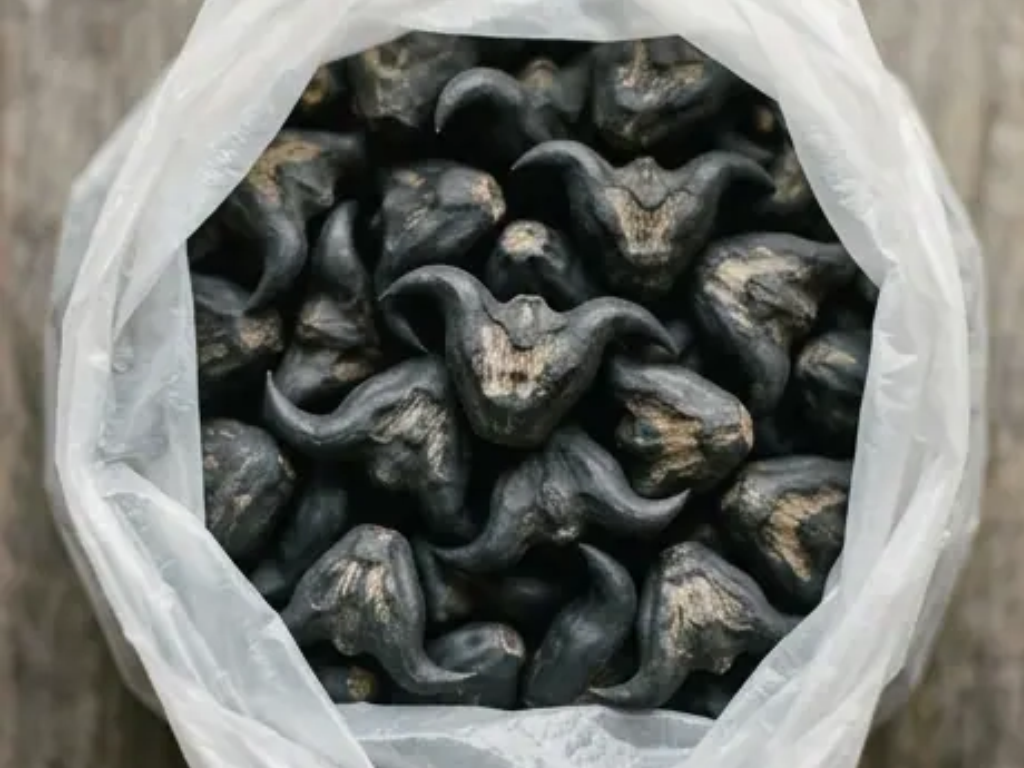
I was simply expecting to receive a homemade dish as a kind gesture from my neighbors. However, when they handed me a bag and wished me “Enjoy your meal,” I had absolutely no idea what I was about to discover inside. At first glance, there was nothing appetizing in the bag—just dark, hard objects that almost resembled small stones. They lacked any distinct smell or appealing appearance… Yet, despite their odd look, these were indeed food items. This surprising experience highlights just how much eating habits can vary so greatly from one country to another.
An Unexpected Gift from Foreign Neighbors
The story begins quite simply. My neighbors, with whom I rarely spoke aside from a brief hello in the elevator, knocked on my door one day carrying a bag filled with food. Their warm smiles, friendly gestures, and a few words spoken with a distant accent accompanied by the phrase, “Enjoy your meal,” conveyed genuine kindness.
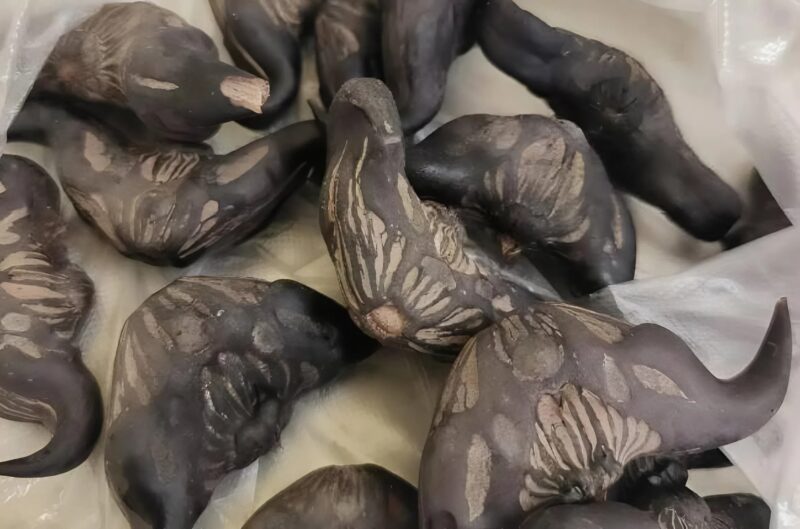
But the moment I opened the bag, I was completely taken aback. Inside, I found dark, hard, cold objects that looked more like small pebbles or fossils rather than traditional food.
My first reaction was one of caution: Were these really edible? How should they be prepared? Did they require cooking or could they be eaten as they were? Should they be kept refrigerated? These questions left me confused and hesitant.

The Fear of an Unknown Food
This response is entirely natural. When faced with an unfamiliar food, especially one that looks nothing like what we are used to eating, it’s normal to feel surprise and even some apprehension. Food is deeply tied to culture, and anything that deviates from our usual references can seem strange or even be rejected outright.
Many people hesitate to try new flavors simply because they are different from what they know. Yet, in many parts of the world, foods that might be considered “weird” are actually quite common.
This was precisely my experience in this case.
Discovery Through Online Research
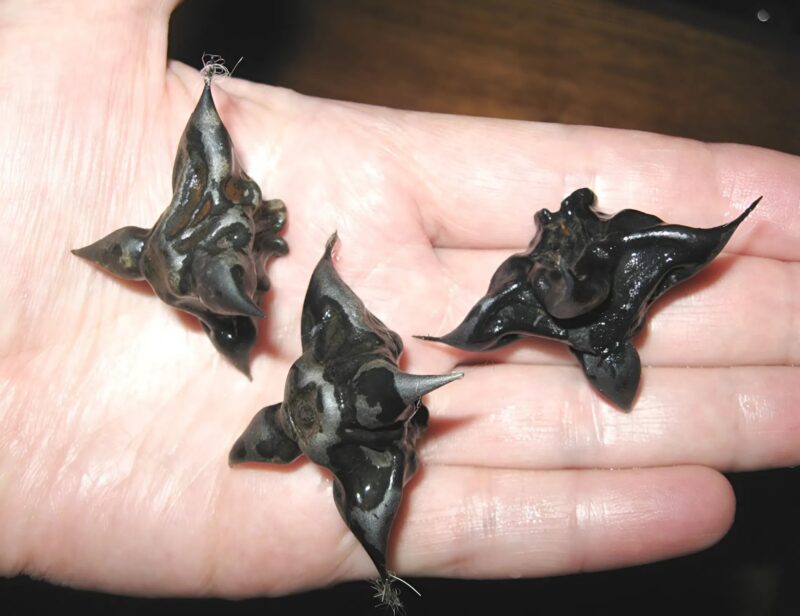
Not knowing what to do with these mysterious items, I decided to turn to the internet for answers. Using a photo, along with a description of their texture, shape, and color, I began my research. Very quickly, I found the answer.
These strange objects were actually water chestnuts.
Widely used in several Asian countries, water chestnuts are frequently added to stir-fried dishes, salads, and can even be eaten raw. Contrary to what their name might suggest, they are not true chestnuts, but rather a crunchy aquatic vegetable.
An Unusual but Appreciated Food
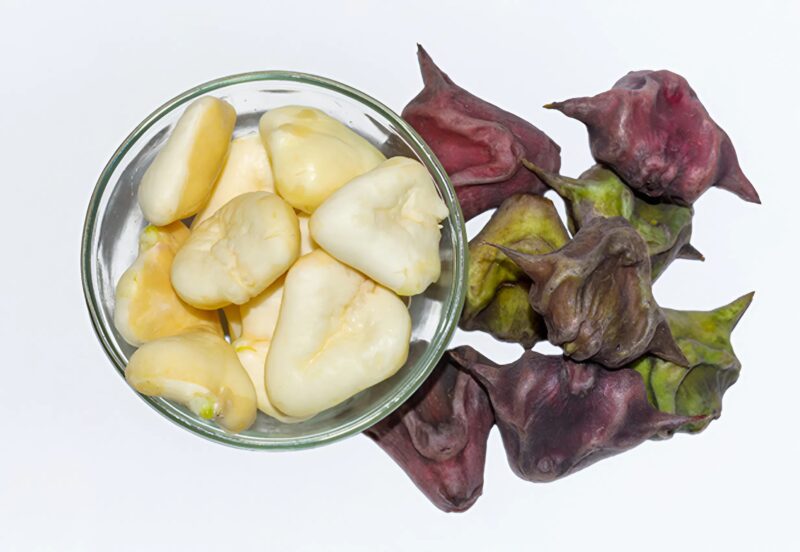
Water chestnuts are valued for their crunchy texture and subtle flavor, which is somewhat reminiscent of hazelnuts or mild radish. They can be peeled, cooked, incorporated into various recipes, or eaten raw as is.
In some regions, they are an everyday, ordinary product, while to an untrained eye, they might initially seem very strange.
The following day, after I had identified what I had received, I explained to my neighbors that I had discovered their identity. They were delighted and showed me through gestures and smiles how to peel and consume them.
A Valuable Lesson from This Story
This simple anecdote shines a light on an essential truth: what seems obvious and normal to some can appear completely unfamiliar, or even strange, to others.
The world is full of diverse foods, customs, and traditions. Sometimes, all it takes is a simple neighbor, an unfamiliar dish, or a mysterious ingredient to open yourself up to a new culture.
In the end, behind what may initially seem like an unsettling food, there often lies a wonderful surprise… sometimes even a genuine culinary discovery.
