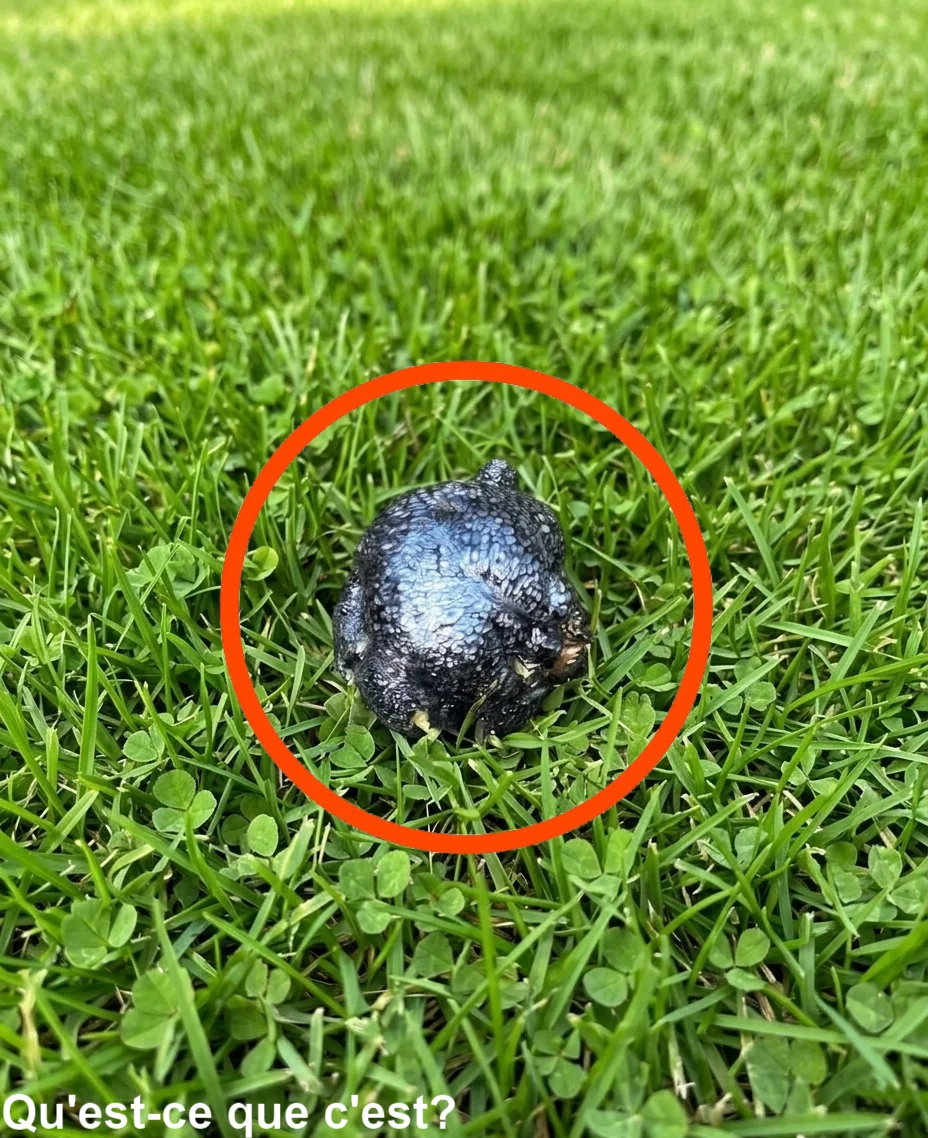
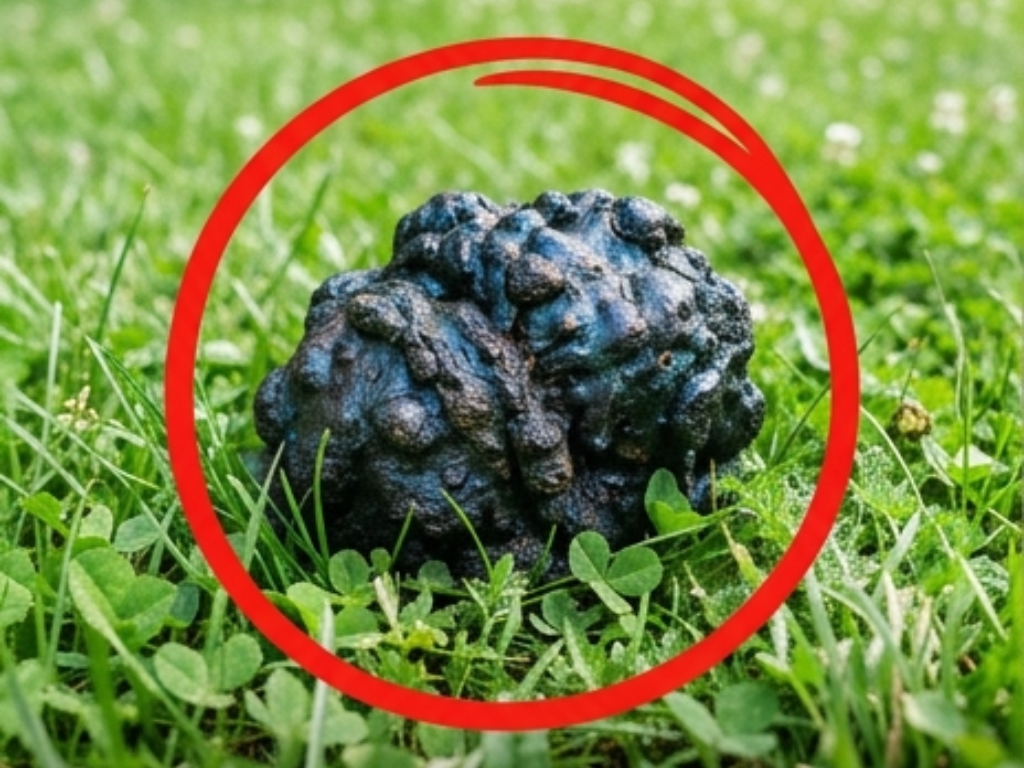
Sometimes, a simple walk in my garden plunges me into an almost cinematic scene. My dog suddenly halts, sniffing intently as if sensing something new, precious, or potentially alarming. Intrigued, I approach, feeling a blend of excitement and caution. What I then discover is both strange and mysterious: a dark, almost supernatural object lying on the lawn. Where did it come from? Was it truly absent only a few hours before? Most importantly, should I be afraid of what I now see before me?
An unexpected curiosity in the garden: should we worry?
This kind of discovery immediately ignites the imagination. An unknown object, resembling a metallic substance, resting amidst the grass, offers no comforting signs at first glance. My thoughts sway between a fragment fallen from the sky, forgotten trash, or even a mysterious artifact accidentally left there.
To avoid any recklessness, I first choose to observe from a distance, then use a stick to handle the item. To my surprise, its texture is surprisingly light, almost hollow, and at times stuck to the grass, which intensifies the enigma of this find.
Faced with this, it is hard not to entertain the most astonishing hypotheses. Yet, the answer is often simpler—and especially much more natural than it appears.
A natural phenomenon that mimics metal
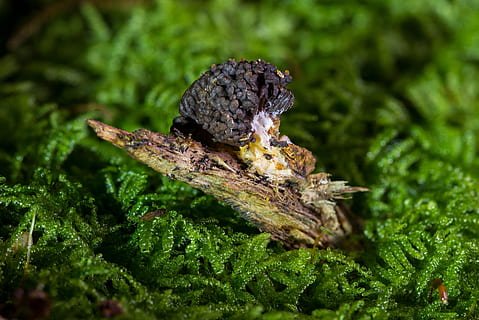

Digging deeper into my research, I learn that this strange element is actually a fascinating organism called a myxomycete, also known as “slime mold.” The term might sound off-putting, but it describes a perfectly common and harmless natural occurrence.
These organisms typically thrive under specific conditions, especially following moist periods. They sometimes emerge within only a few hours, explaining the impression that they appear overnight.
What makes this phenomenon so intriguing is its ability to evolve rapidly and transform its appearance. At their growth stages, these myxomycetes can showcase vivid colors and a soft texture. Then, as they dry, they darken, sometimes becoming shiny, adopting a deceptive metallic look that puzzles the observer.
This transformation creates the illusion of an unusual discovery right in the heart of the garden.
Why does my dog detect this before I do?

The sense of smell of my four-legged companion is unmatched. While I simply see a stretch of grass, he perceives odors, textures, and subtle changes in his immediate environment.
Myxomycetes may emit a distinctive scent or trigger a dog’s natural curiosity, causing him to pause, sniff for an extended time, thus drawing my attention unintentionally.
It is often through his exceptional sensitivity that I discover these astonishing natural phenomena, which otherwise would have escaped me.
Should we touch or remove this type of organism?
When encountering something unknown, it is always wise to act with caution. Using a tool to manipulate the object avoids any direct contact that could potentially be risky, especially when uncertain about the nature of the find.
The good news is that myxomycetes pose no danger to humans or animals. They simply integrate into the natural balance of the garden without threat.
If their presence is unwelcome, you can easily remove them with a stick or other tool, or just let them dry naturally. Indeed, they often end up disappearing on their own within a short time.
Learning to observe nature differently
Such an encounter is an invitation to revisit how we perceive the world around us. Nature is full of captivating, sometimes puzzling phenomena, but always wonderful to discover.
Rather than giving in to worry, I see it as an opportunity to enrich my knowledge. Sometimes, all it takes is a simple garden, right at hand, to reveal treasures worthy of the most beautiful documentaries.
So, the next time my dog suddenly stops, sniffing with intense focus, I will know that he might be signaling one of these fascinating natural phenomena that deserve to be observed closely.
Nature still has many surprises to offer me.