
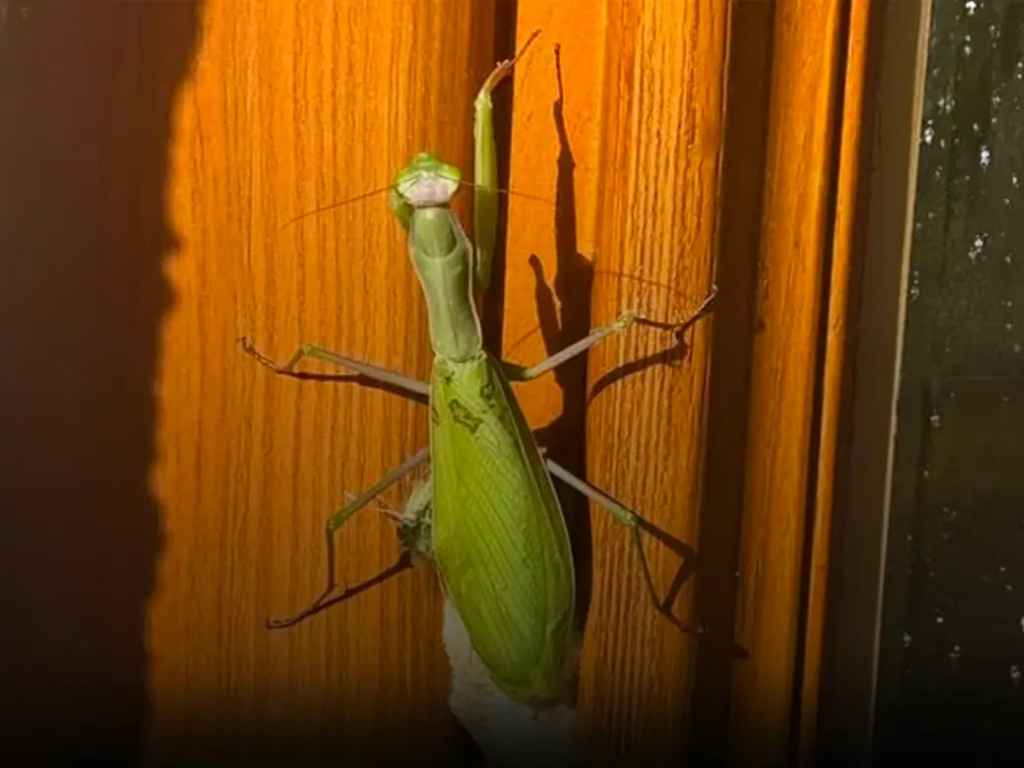
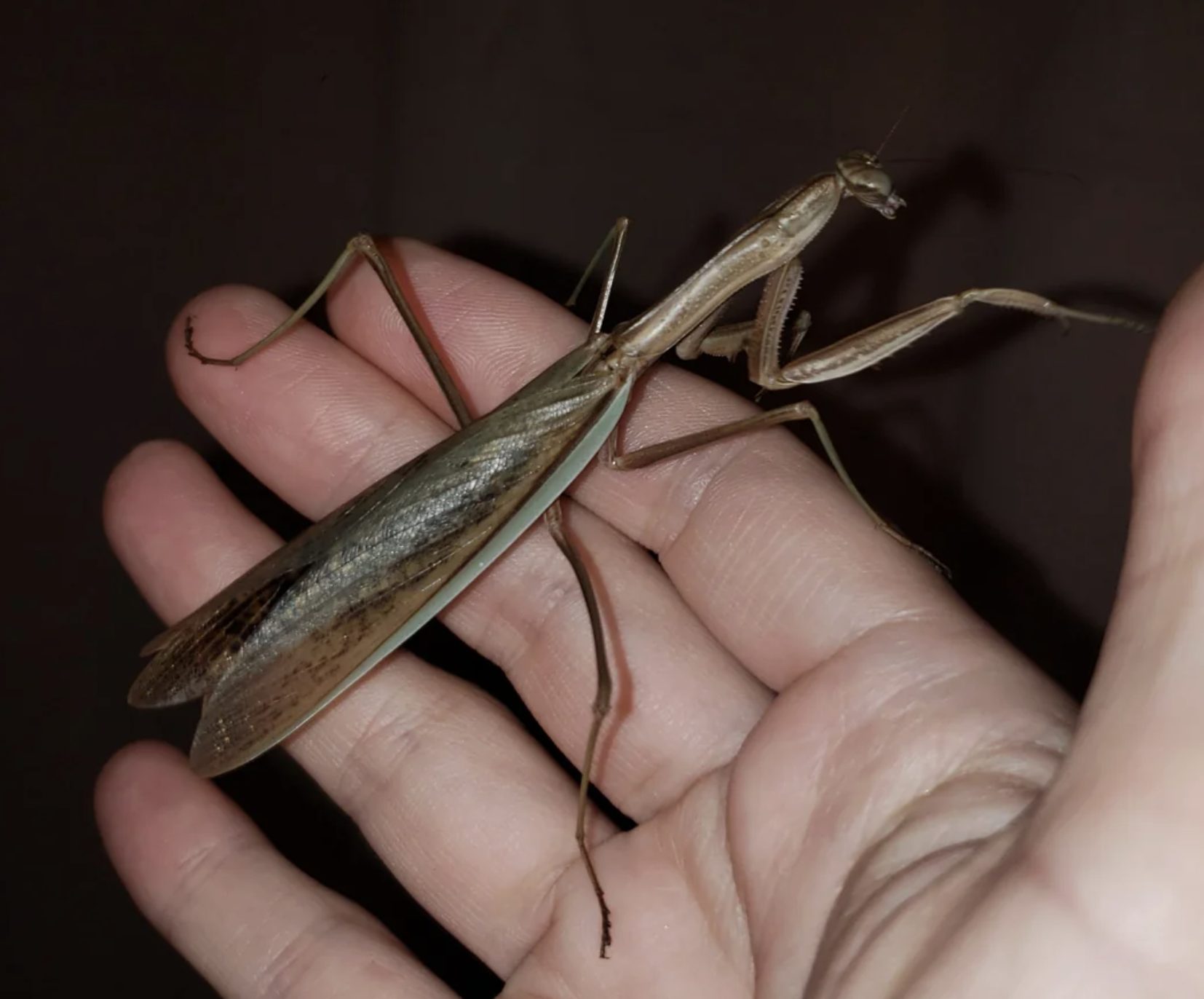
Imagine this scene: you walk into a room and notice a praying mantis, perfectly still, perched near a window or resting on a wall. Its distinctive posture, which resembles that of a prayer, combined with its unwavering gaze, immediately captures your attention. For some, this encounter is merely coincidence, a random event of nature. Yet for others, it carries a deeper, symbolic significance. So, what does the presence of a praying mantis inside your home really mean?
The Praying Mantis: An Insect Rich in Symbolism
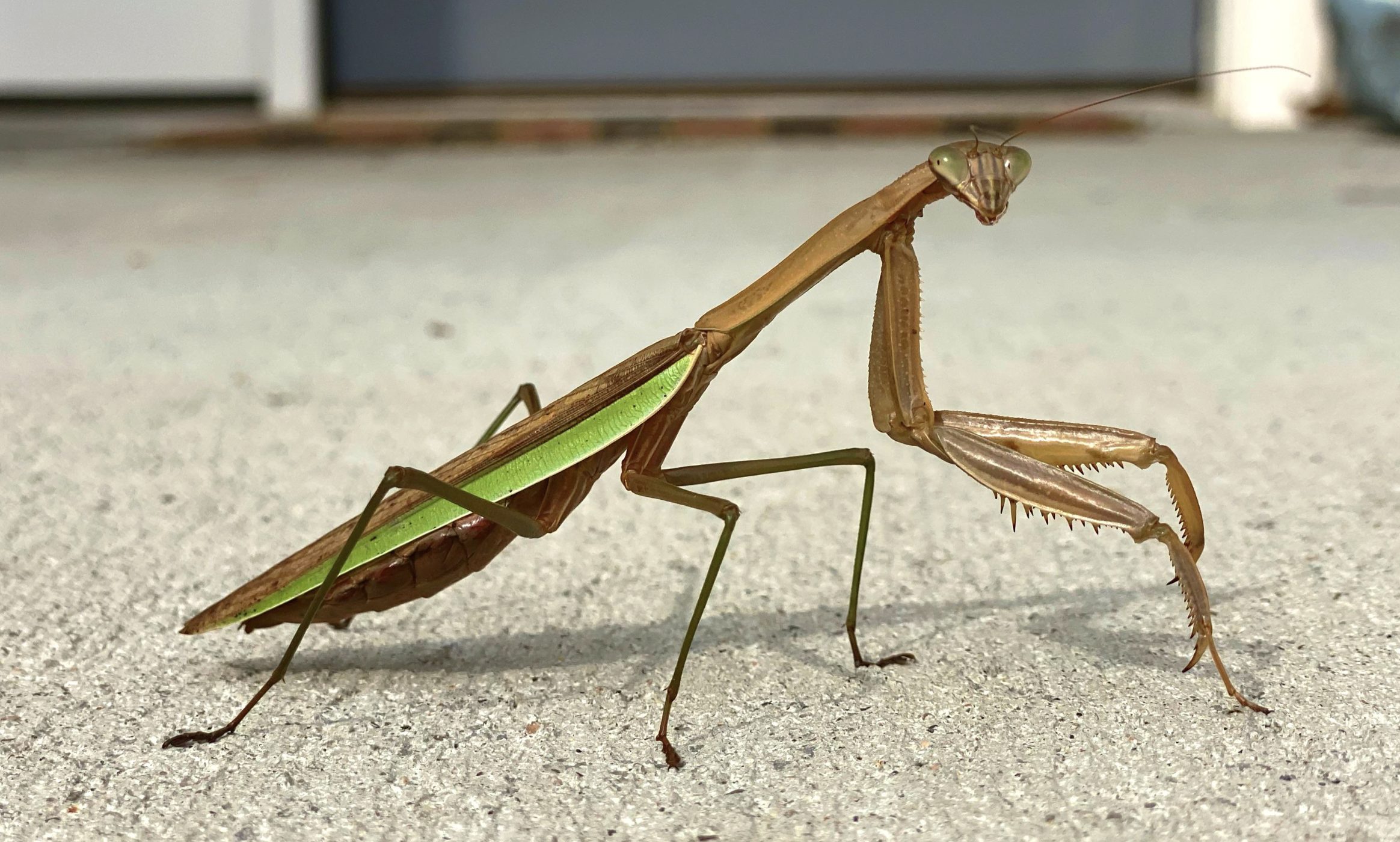
In many cultural traditions around the globe, the praying mantis evokes fascination and respect.
Its name derives from the position of its front legs folded together, evocative of a prayer stance. This unique gesture endows it with a powerful symbolic aura, often linked to meditation, patience, and keen observation.

This species is capable of remaining completely motionless for several minutes before moving—behavior that reflects the wisdom of investing time in thoughtful analysis before taking action.
For some observers, seeing a praying mantis encourages slowing down, stepping back, and calmly reflecting before making decisions.
A Symbol of Balance and Concentration
Across various Asian cultures, the appearance of animals inside a home is frequently interpreted as connected to the energy of the space.
The praying mantis, known for its precise movements and apparent calmness, is commonly viewed as a symbol of inner balance and focused concentration.
It embodies the ability to remain centered and composed despite external distractions. Its presence might serve as a gentle reminder to maintain emotional equilibrium and clear-mindedness when making choices.
This symbol also encourages taking a step back in order to better evaluate situations before acting.
The Praying Mantis as an Image of Personal Transformation
Beyond its physical traits and behavioral patterns, the praying mantis is often seen as a sign of personal transformation.
As a patient and strategic predator, it waits for the perfect moment to strike. This quality is frequently associated with phases of internal change or deep contemplation.
For many, encountering this insect signals a significant transitional period: a favorable time to plan thoughtfully, reflect deeply, and move forward with clear intention.
Of course, these interpretations belong to the realm of cultural beliefs rather than pure science.
Why Might a Praying Mantis Appear in Your Home?
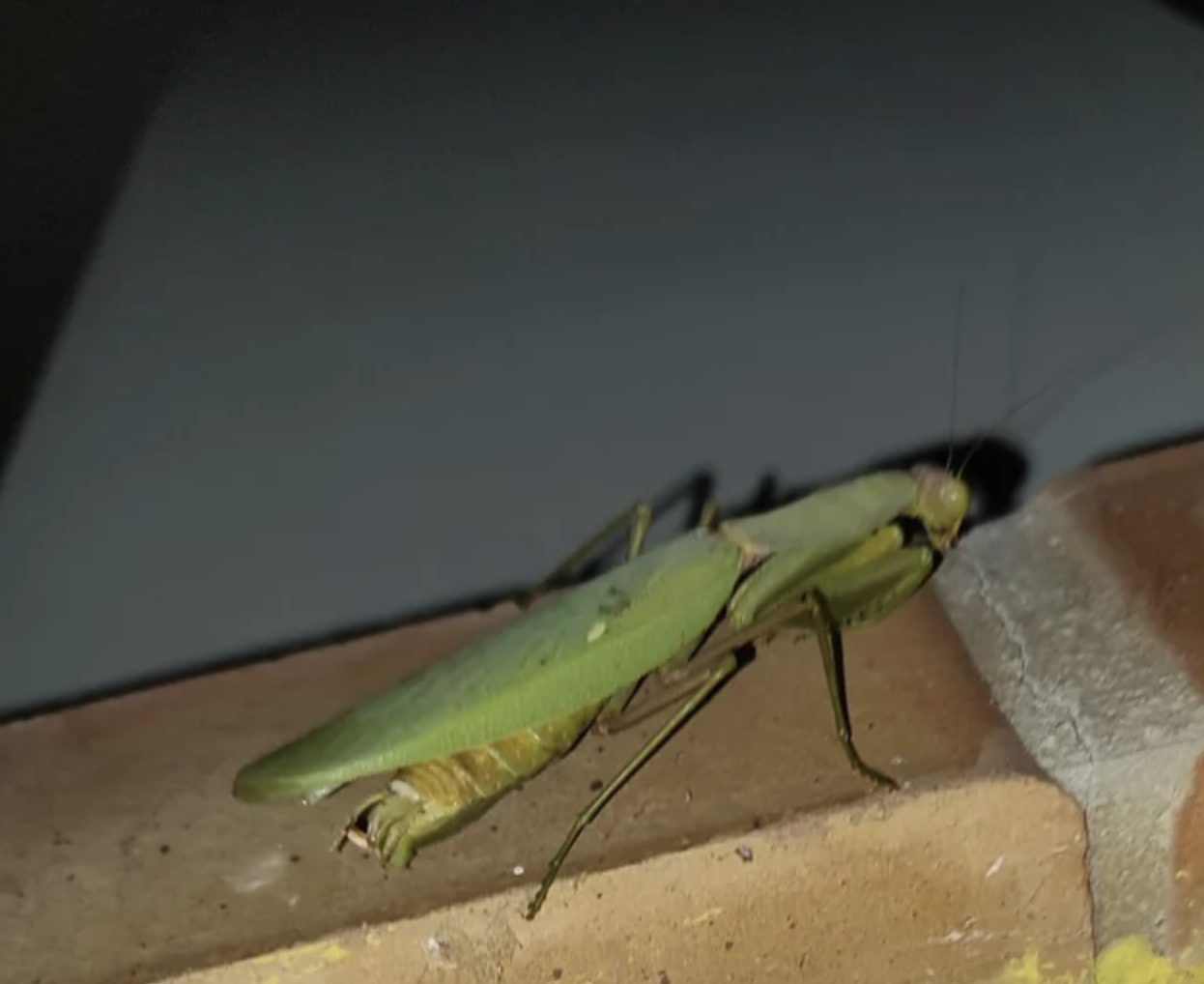
Aside from its symbolic meanings, the presence of a praying mantis inside a house is usually explained by simple natural reasons.
Here are the most common causes:
the attraction of artificial light, which draws many insects
seeking shelter when outdoor temperatures fluctuate
accidental entry through an open window or door
Often, the praying mantis follows its prey indoors while hunting, which sometimes leads it to enter our living spaces.
An Insect Completely Harmless to Humans
Contrary to some misconceptions, the praying mantis poses no danger to human beings.
It is neither aggressive nor a carrier of diseases. On the contrary, it plays a beneficial role in the ecosystem by controlling populations of other insects.
This small natural ally helps maintain a healthy ecological balance in our surroundings.
How to Respond If You Discover One Inside Your Home?
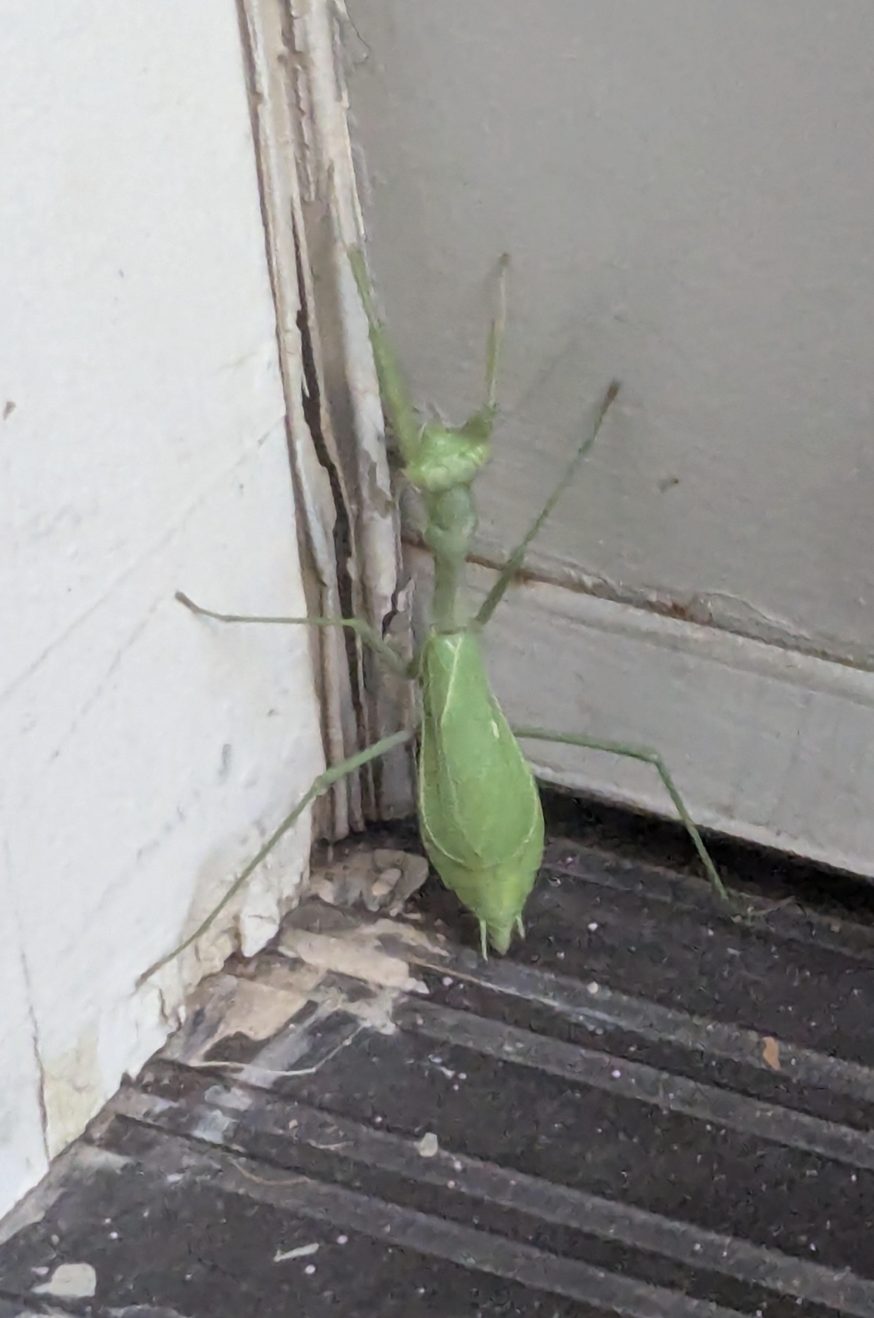
If you come across a praying mantis inside your home, the best approach is to remain calm.
Here are some helpful tips:
leave it undisturbed if its presence does not bother you
open a window to allow it to leave on its own
gently relocate it using a container and then release it into a garden or nearby natural area
This method respects the insect while safely returning it to its natural habitat.
Whether viewed as a profound symbol or simply a natural phenomenon, an encounter with a praying mantis remains a captivating moment. It reminds us how quietly nature can weave itself into our daily lives. For some, it represents a sign of personal transformation; for others, it is the presence of a useful and peaceful insect companion.
