
The Use of Walnut Shells in the Garden
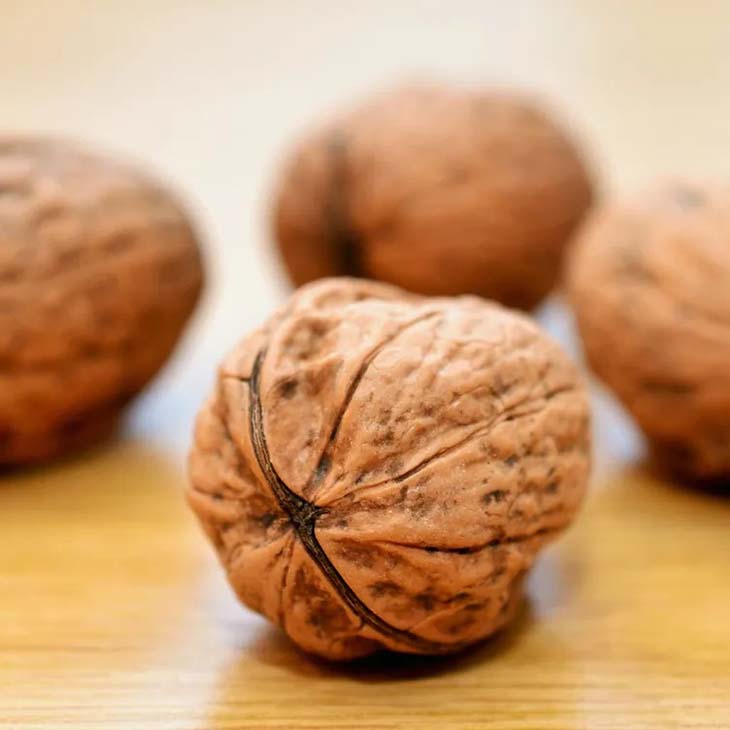
Walnut shells can be repurposed effectively in your garden, particularly by incorporating them into compost or by burning them. Once combusted, the ashes, after being ground finely, serve as an excellent fertilizer to place at the bottom of seed beds. This method provides plants with essential nutrients that support their healthy growth and development.
Walnut Shells, Allies of Indoor Plants
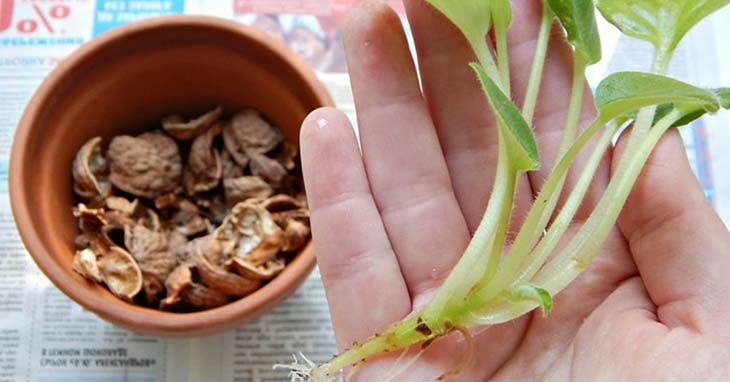
Walnut shells are not only beneficial for outdoor gardening but can also enhance the well-being of your indoor plants. To use them effectively indoors, begin by crushing the shells with a hammer and spread the fragments evenly at the bottom of your plant pots to ensure proper water drainage. Then, cover this layer with a suitable type of potting soil tailored to your plants’ needs.
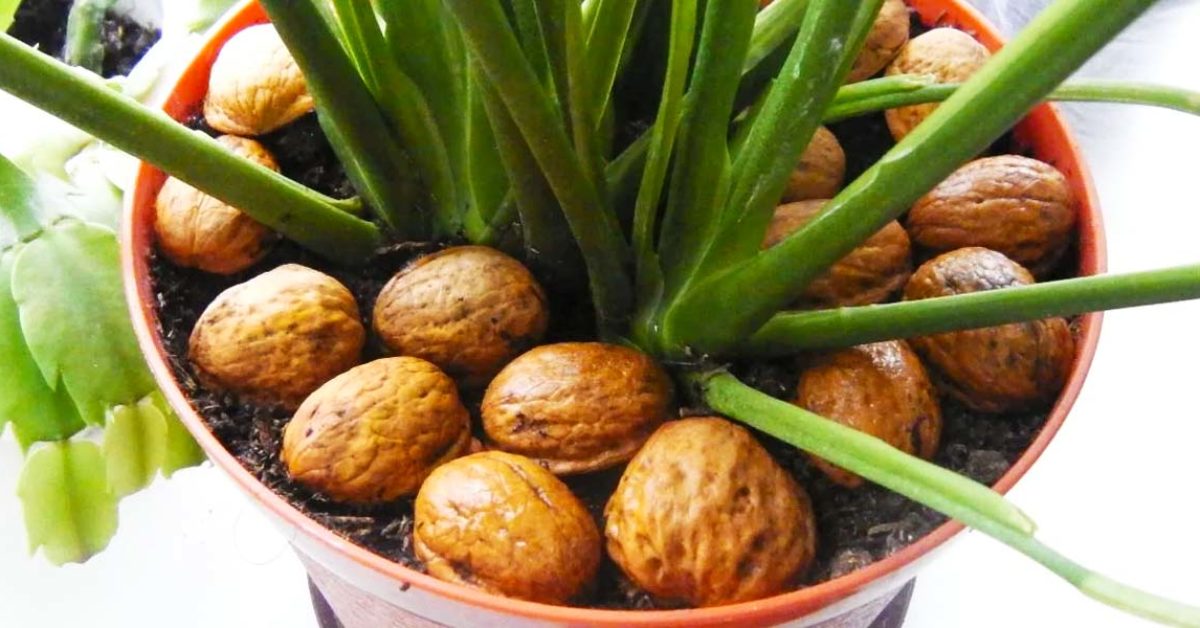
Additionally, you can use whole walnut shell halves as a surface mulch. This technique helps to slow down water evaporation, retaining both warmth and moisture beneath this protective layer. Consequently, the frequency of watering needed is reduced, helping your indoor plants thrive with less maintenance.
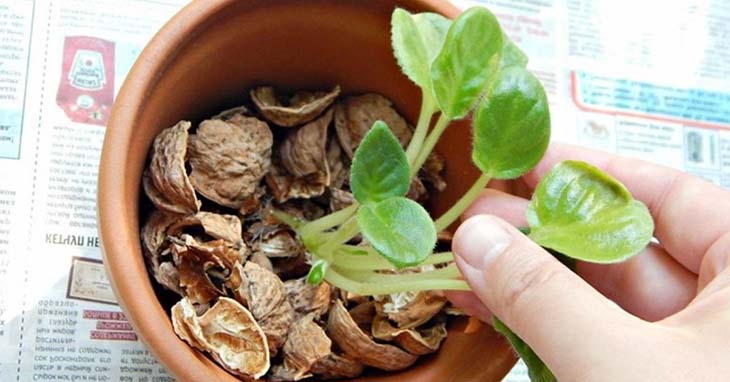
A layer of walnut shells can also act as a shield against the lime content found in soil. Due to their high iodine content, walnut shells favorably alter the soil composition, promoting better plant growth and enhancing overall plant health.
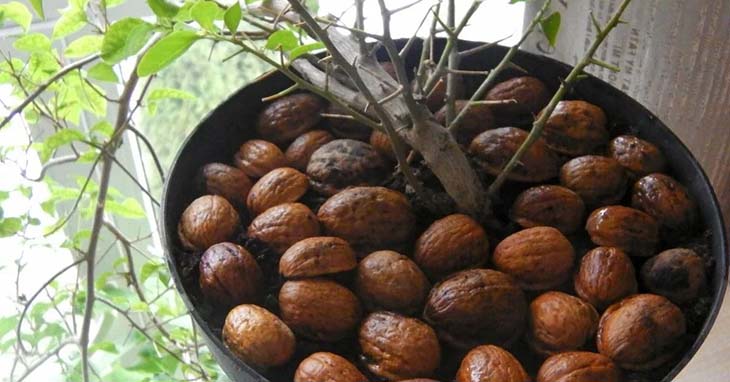
Beyond their anti-lime properties, walnut shells also serve as a natural repellent against certain insects, including mosquitoes. The iodine they contain emits a scent that naturally deters these pests. Moreover, placing a pot decorated with walnut shells adds an aesthetic element to your indoor space, combining beauty with practical functionality.

It is not necessary to limit yourself to traditional walnuts; other nuts with shells such as macadamia nuts, pecans, or hazelnuts offer equally beneficial shells for your plants. Each kind of shell provides useful nutrients and structural benefits that can enhance both indoor and outdoor gardening efforts.
