
Visual Challenge: Why Are We Captivated by These Hidden Images?
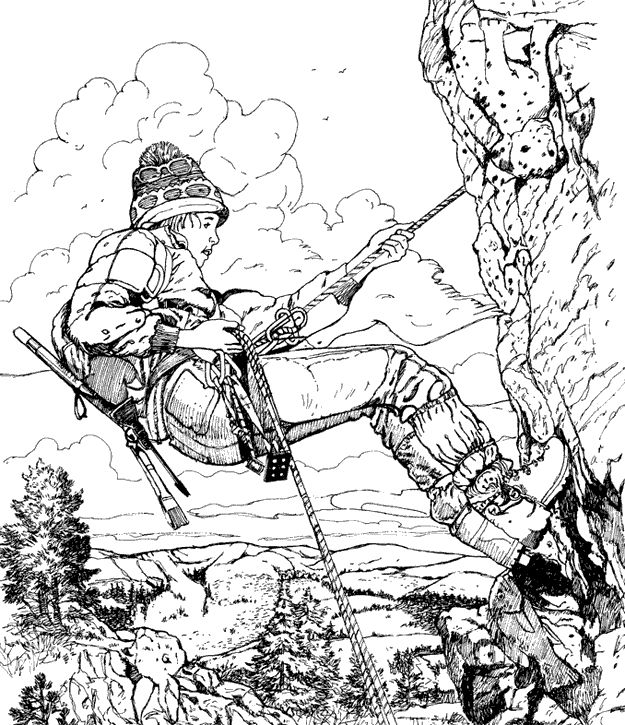
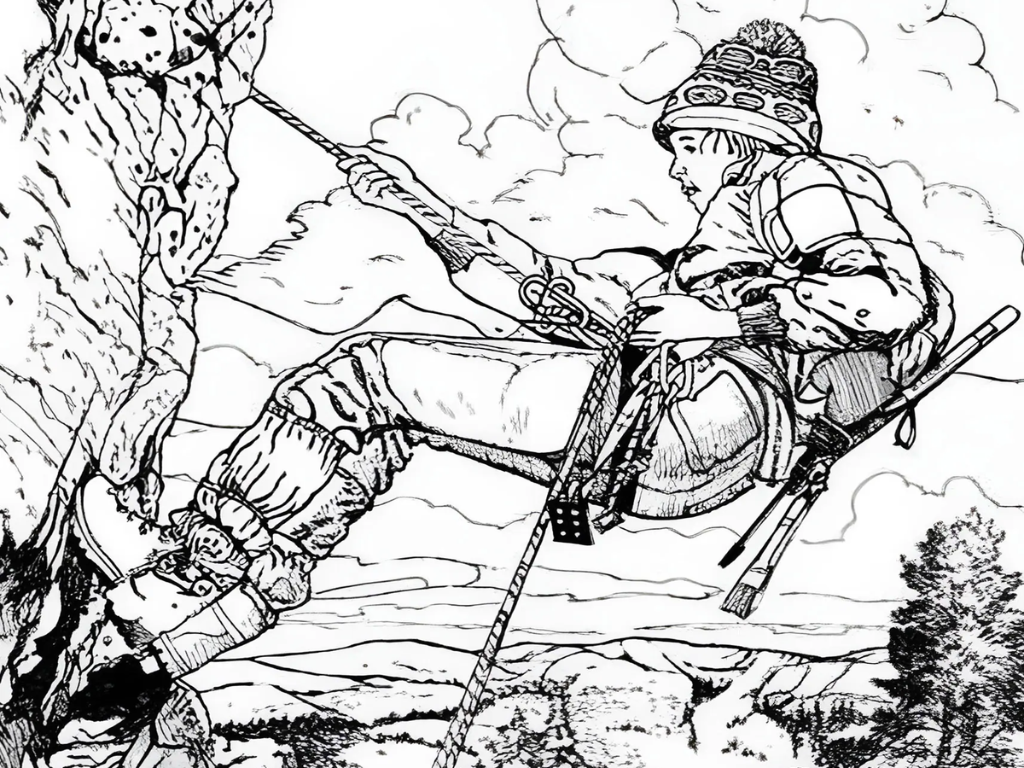
When faced with a breathtaking panorama, our eyes instinctively focus on the most prominent features: the silhouette of a mountain, a familiar figure, or a radiant sky. However, some artworks invite us to slow down and carefully examine every detail. This is precisely the experience this illustration offers: the artist skillfully manipulates rocks, shadows, and subtle variations in light to construct an almost hypnotic landscape.
Knowing that three animals have been cleverly hidden within this scene prompts us to wonder: how can they remain invisible even when they are right before our eyes?
The First Secret: A Loyal Companion Camouflaged
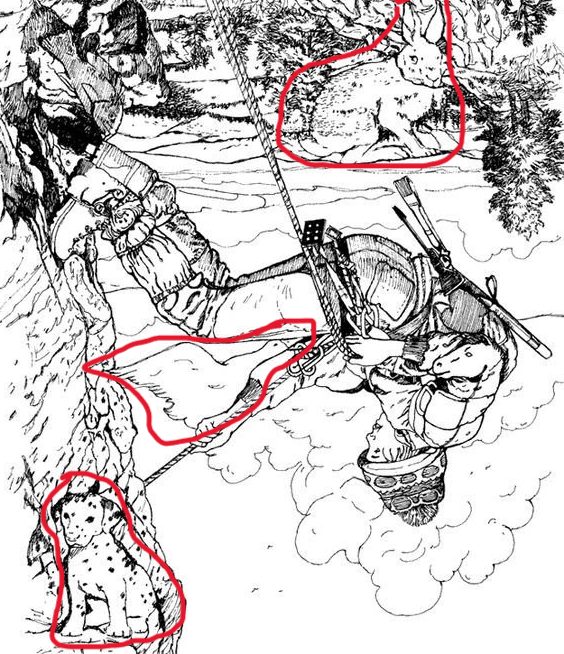
Imagine a patch of greenery nestled at the base of a rocky massif. At first glance, only a few tufts of grass appear to be swaying in the breeze. Yet, a surprising detail emerges: a rounded, smooth shape blending seamlessly into the natural surroundings. The artist uses the colors and lines of the landscape to cleverly disguise the silhouette of a dog.
To spot it, one simply needs to follow the textures: the grass creates an illusion of fur until a discreet ear comes into view. This is usually the first animal one recognizes… provided they truly take the time to look closely.
The Second Challenge: An Animal with Long Ears
Some rock formations seem ordinary: a fold in the stone, a cast shadow, a darker patch. Yet, these details are perfect for concealing a hare.
In this artwork, the artist exploits the natural interplay of light and shadow on the terrain to create a slender silhouette, as if sculpted from stone. To perceive it, one must squint slightly: two small upright ears become visible, embedded in the cliff face. This effect works because our minds are conditioned to expect a hare bounding through grass, not clinging to a mountainside!
The Third Surprise: A Goose Hidden Among the Clouds
Who would think to search the clouds for animal shapes? And yet, it is precisely here that the final unexpected guest is concealed. In this scene, the outline of a goose blends into the white masses of the sky and the soft contours of a nearby rock near the summit.
The artist employs a subtle technique: the sketched form relies on almost imperceptible contours. By slightly shifting your perspective—as you might when viewing a visual illusion—you begin to discern a long, slender neck and a beak pointing toward the valley below. This is a delicate and surprising revelation!

How to Become an Expert at Spotting Hidden Images
If you enjoy this kind of visual game, a few tips can help sharpen your gaze. Start by identifying areas of contrast: these often serve as the places where artists hide their secret shapes. Next, examine the shadows closely, as they may outline unexpected contours. Finally, broaden your observation beyond the “obvious” zones: animals can seamlessly integrate into rocks or the sky or even hide within simple curves. These techniques will refine your powers of observation and enhance your ability to uncover hidden surprises!
