
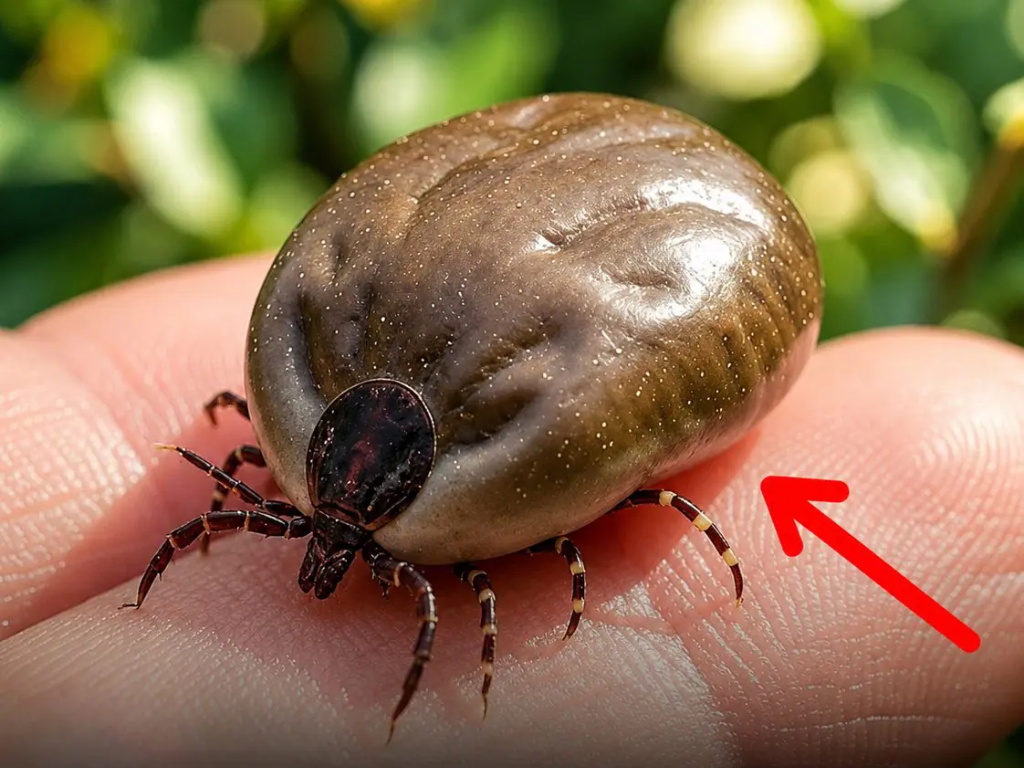
Ticks: Creatures Far More Resilient Than You Might Think
It might seem that once a tick is removed, the problem is solved. However, these tiny arachnids are surprisingly resilient. They can survive harsh conditions much longer than one might imagine. For instance, flushing a tick down the toilet does not guarantee its elimination; it can survive the journey and continue living.
This is why public health experts emphasize the importance of using reliable and safe methods to dispose of ticks, ensuring that the parasite’s disappearance is not left to chance.
How to Remove a Tick: Step-by-Step Guidance
Before even thinking about disposing of the tick, proper removal is essential. Healthcare professionals recommend using fine-tipped tweezers or, even better, a tick remover tool available at pharmacies.
The technique involves gripping the tick as close to the skin as possible and gently pulling it out with steady, vertical pressure. It is crucial to avoid twisting, crushing, or jerking the tick, as such actions can leave parts embedded in the skin and worsen the situation.
Once the tick is removed, it is important to adopt the right precautions:

– Thoroughly clean the area with soap and water – Wash your hands carefully – Closely monitor the skin around the bite over the following days – Be alert for any unusual symptoms such as fever, rash, or ongoing fatigue
If any of these signs appear, consulting a doctor immediately is strongly recommended.
Safe Methods to Properly Eliminate a Tick
Forget the idea of simply flushing it down the toilet. Specialists recommend more effective options that guarantee the complete elimination of the tick:
– Place it in a small sealed bag before disposing of it – Wrap it tightly in adhesive tape – Submerge it in alcohol to kill it quickly – Store it in a closed container, especially if you plan to have it identified later
This last point is significant: some doctors advise keeping the tick for a few days in case symptoms arise. Identifying the tick can then become crucial for guiding an accurate diagnosis.
Preventing Tick Bites: Truly Effective Tips
The best defense is naturally prevention. When outdoors, adopting certain simple habits can make all the difference:
– Wear long, preferably light-colored clothing to better spot ticks – Apply an appropriate repellent on exposed skin – Stay on marked trails during hikes – Check your skin and clothing immediately after returning – Regularly check pets – Maintain the vegetation around your home
These precautions are especially important in spring and summer, the seasons when ticks are most active.
Staying informed and adopting the right habits is the best way to enjoy nature with peace of mind.
