

People often tend to believe that ticks only pose a threat in the great outdoors, during long hikes in the forest. However, these tiny parasites can nestle in a simple garden, a city park, or even on our pets. And when a tick attaches itself to the skin, panic quickly sets in: should you pull it out? Use a special product? Wait? Many people unknowingly make mistakes. Here is what you really need to do to manage this situation calmly and effectively.
Why Ticks Pose a Greater Risk Than You Might Think

Invisible to the naked eye, the tick is a parasite that can remain attached for a long time without being detected. It is precisely this subtlety that makes it particularly dangerous: the longer a tick stays attached, the greater the health risk becomes.
The real danger does not lie solely in the bite itself, but in what the tick can potentially transmit. Some ticks carry bacteria responsible for serious infections. Hence the importance of acting quickly and appropriately. Fortunately, with the right actions, the majority of complications can be avoided.
The key: remain calm and proceed methodically.

How to Safely Remove a Tick
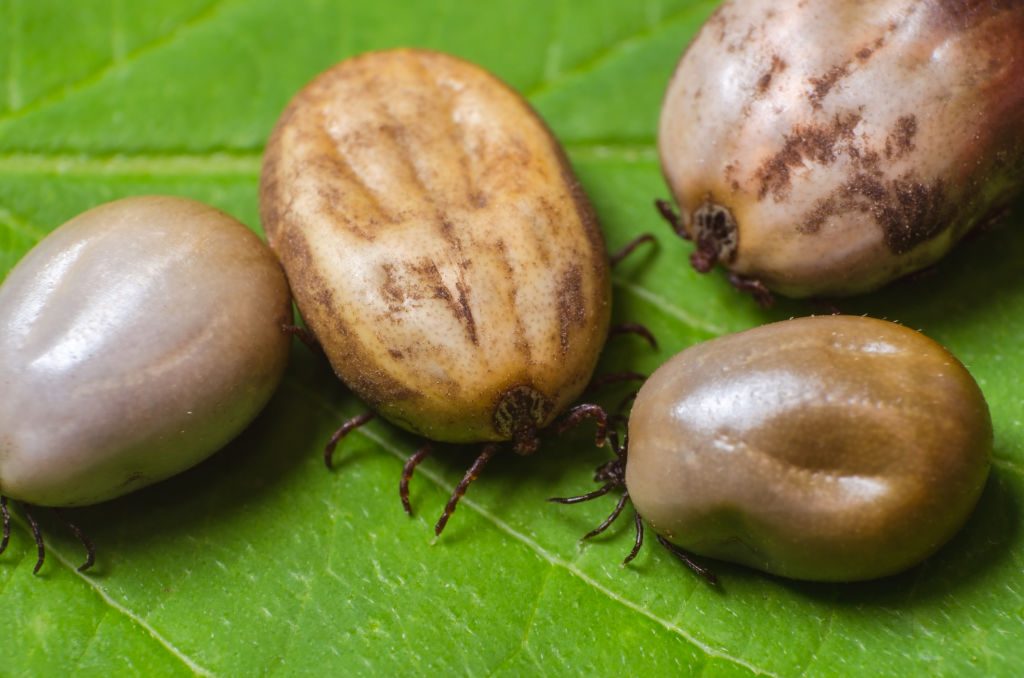
The moment of removing a tick often causes stress, but by following the proper technique, it is a simple procedure.
- The recommended method is to use fine tweezers or a tick remover tool. Grasp the tick as close to the skin as possible, then pull gently upwards without twisting or crushing the insect. The movement should be slow and steady, similar to removing a splinter.
- Once the tick is removed, clean the area with soap and water, then apply an appropriate antiseptic.
A practical tip: note the date of the bite. This information can be valuable if unusual symptoms emerge in the following days or weeks.
Common Mistakes to Avoid at All Costs
Many tips circulate on the internet or are passed down through generations, but some are downright harmful and should be avoided.
Do not ever do the following:
- Apply oil, petroleum jelly, or nail polish on the tick
- Use heat sources to try to make the tick leave
- Crush the tick with your fingers
- Pull the tick out abruptly
These methods risk making the situation worse by causing the tick to regurgitate its fluids or fragment its body, complicating removal. The golden rule is simple: remove the tick mechanically, slowly, and without any chemical product.
How to Safely Dispose of a Tick After Removal
Once the tick is removed, it is important to handle it carefully and avoid throwing it away casually or crushing it with bare hands.
The best method is to place it inside a tissue, a piece of adhesive tape, or a small sealed bag before disposal. Some people prefer to keep the tick sealed in a container for a few days as a precaution.
The essential point is to avoid any direct contact with your fingers during this step.
Don’t Forget to Check Your Pets
Dogs and cats, especially those who regularly go outside, are particularly vulnerable to ticks. These parasites favor specific hiding spots where they can easily go unnoticed:
- Behind the ears
- Under the paws
- Between the toes
- At the neck
- In areas with dense fur
A quick check after each outing can prevent many troubles. Often, a fine-toothed comb or simply running your fingers through the fur is enough to spot any ticks.
What Symptoms to Watch for After a Tick Bite

Most of the time, a tick bite produces no particular symptoms. However, it is crucial to stay vigilant during the days and weeks afterward.
You should be on the lookout for:
- Unusual fatigue
- Persistent headaches
- Muscle pain or body aches
- Redness spreading around the bite area
- A general feeling of malaise or flu-like symptoms
If you are in doubt, it is always advisable to consult a healthcare professional without delay.
The Essential Habit to Adopt After Every Outdoor Activity
Prevention remains the best defense against ticks. After any walk, picnic, or gardening session, make it a habit to quickly check certain areas of your body:
- The neck
- The backs of the knees
- Under the arms
- The scalp
- Behind the ears
This check takes no more than two minutes but can save you from many troubles.
In summary, when it comes to ticks, the most effective response is prevention combined with the right actions at the right time.
