

The Space Between the Thighs: Primarily an Anatomical Reality
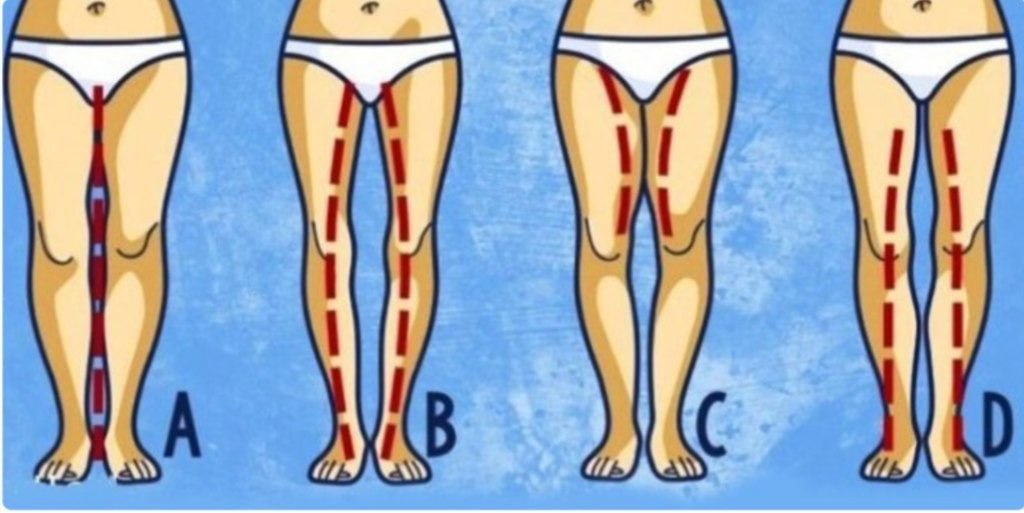
It is crucial to understand from the outset that the gap between the thighs is neither an indicator of health nor a measure of physical fitness. This space essentially results from the unique bone structure inherent to each individual.
The width of the pelvis, the natural orientation of the hips, and the alignment of the legs are all decisive factors. Some women naturally have wider pelvises, which creates a visible space when the feet are together. Others, on the contrary, have narrower hips, so their thighs easily touch one another.
This is not a question of morphological superiority or inferiority: these differences are natural, just like variations in eye color or shoulder shape.
Hormones and Their Effects on the Female Body Over Time
The female body undergoes different phases throughout life where hormones play a decisive role. During puberty, for example, the increase in estrogen causes a gradual widening of the pelvis, a perfectly natural phenomenon linked to biological development.

Later, during pregnancy or the onset of menopause, hormonal fluctuations can also slightly alter the body’s silhouette. These transformations, although subtle, are unique to each woman and depend on numerous individual factors.
Therefore, there is no single model: the diversity of bodily evolutions is the norm.
Fat and Muscle Tone: Often Misunderstood Effects
It is often said that practicing sports or changing one’s diet can “create” this space between the thighs. In reality, their impact remains limited.
Of course, the distribution of muscles and adipose tissue around the thighs can slightly influence their appearance. However, this does not affect the underlying bone structure. Even with regular physical activity, the fundamental morphology remains unchanged.
Furthermore, as recommended by the World Health Organization, physical exercise should primarily aim at overall well-being: increasing energy, improving mobility, fostering balance, rather than pursuing a rigid aesthetic ideal.
Why Has the Space Between the Thighs Become a Beauty Criterion?
Social media has amplified aesthetic trends often disconnected from bodily realities. Hence, the space between the legs is sometimes mistakenly considered a sign of thinness or an ideal silhouette.
The danger lies in these comparisons, which only fuel unnecessary complexes and insecurities. This gap reveals nothing about your health, vitality, or femininity.
Constantly comparing oneself means forgetting that every body has its own unique balance.
The True Meaning of the Space Between the Thighs
Whether or not you have a space between your thighs simply means your body has a particular configuration. Nothing more, nothing less.
This neither makes you a more athletic person nor a person more elegant or attractive. Beauty cannot be measured in centimeters: it resides in posture, attitude, and how one embodies their body.
Self-Acceptance: An Essential Transformation

The true question is not anatomical but emotional. Adopting a kind and compassionate view toward your body drastically transforms the relationship you have with yourself.
Instead of constantly scrutinizing what differs, why not celebrate what makes you unique? Your silhouette reflects your genetic heritage, your personal history, and your life experiences.
This is the heart of true self-acceptance: understanding that your body does not need to conform to a fleeting ideal to have value. Ultimately, the distance between your legs defines nothing other than your singularity—a priceless treasure.
