
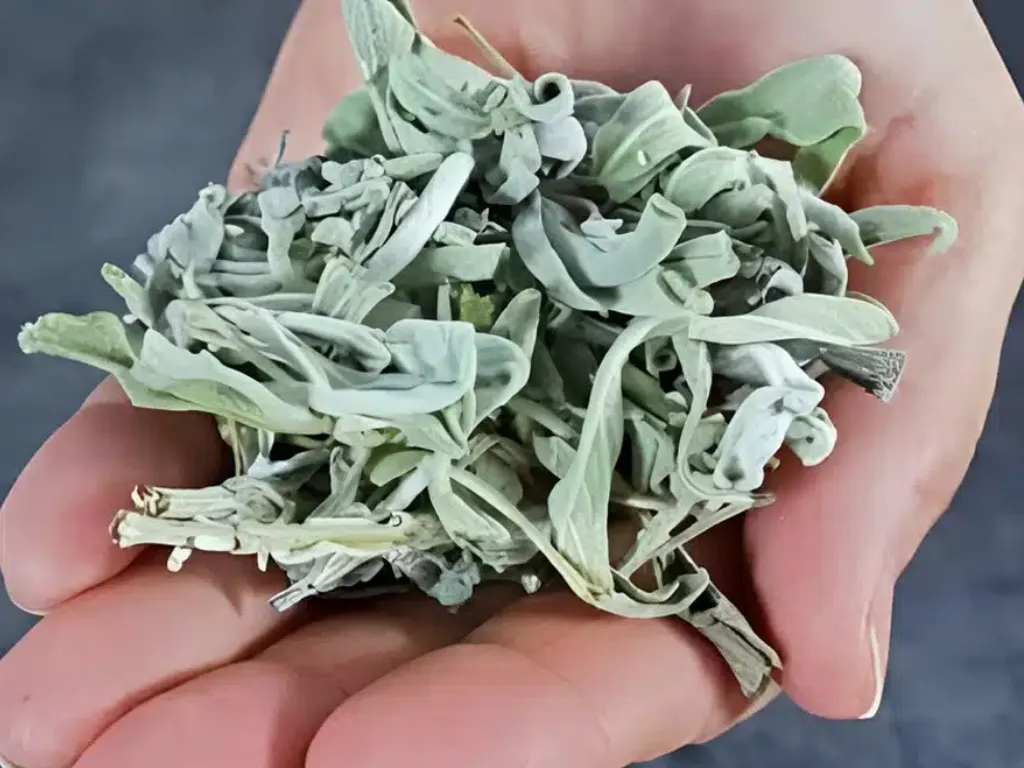
A Medicinal Plant with Numerous Benefits
Since ancient times, sage has held a special place in Greek, Roman, and medieval monastic traditions. Far more than just a culinary herb, it is recognized as a genuine natural support for both body and mind.
A Powerful Ally Against Infections
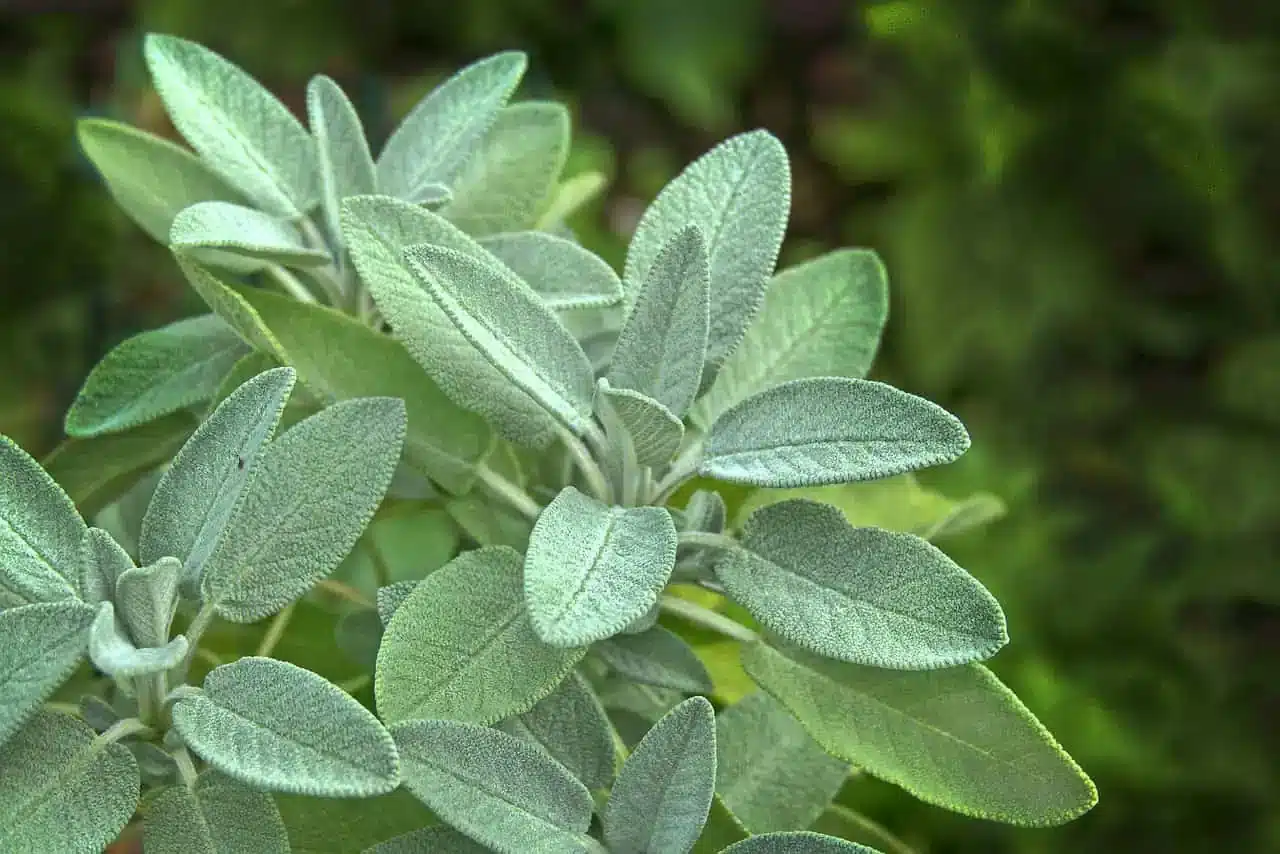
Sage possesses natural antibacterial, antiviral, and antifungal properties. It effectively combats a variety of pathogens such as bacteria, viruses, and certain fungi responsible for infections like mycoses or digestive disorders. This ancient remedy works deeply within our immune system, especially at the intestinal level, where conventional treatments can sometimes fall short.
The Recipe for a Simple, Quick, and Effective Sage Infusion
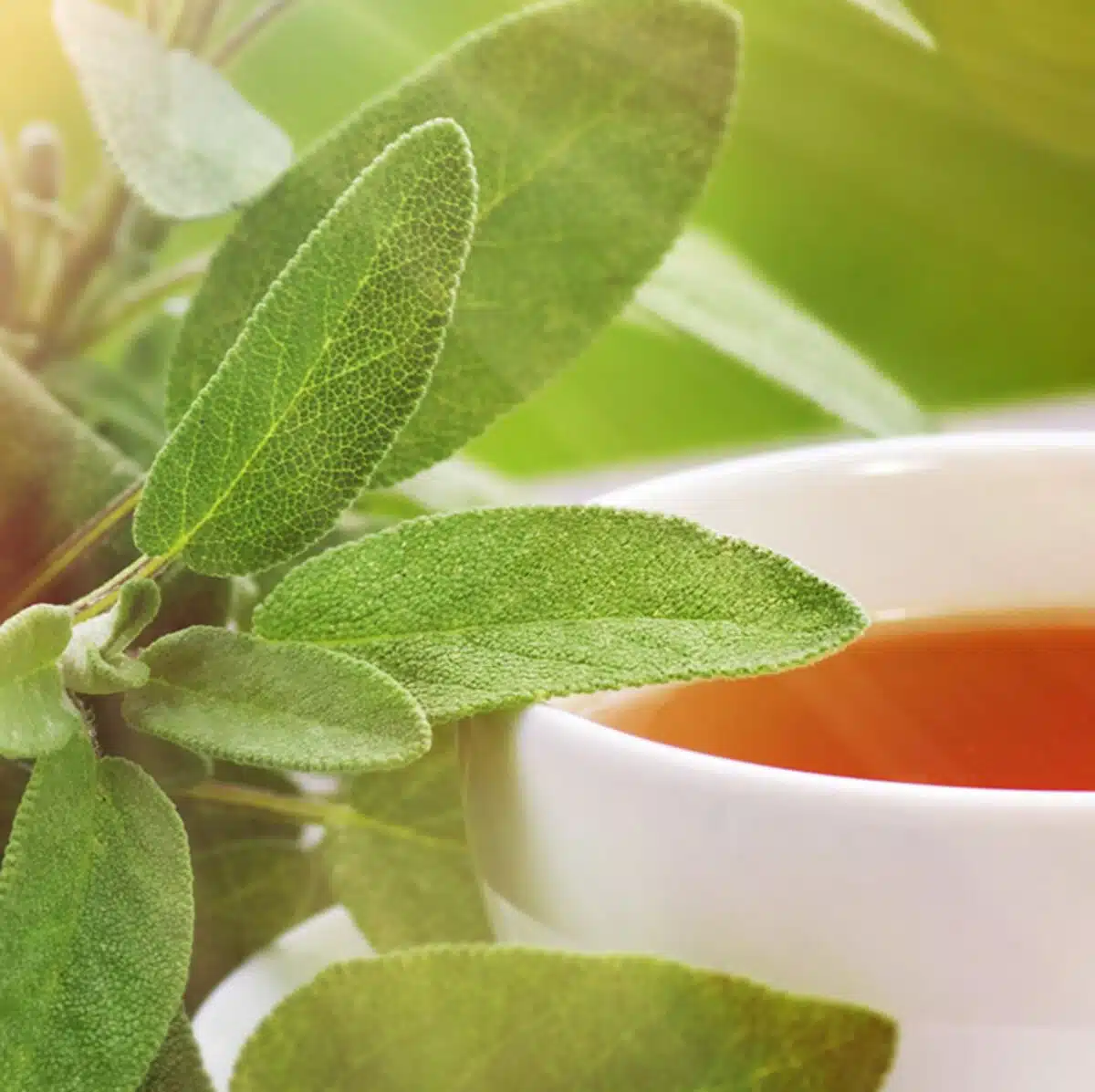
Ingredients:
Half a handful of dried sage leaves
200 ml of boiling water
Preparation:
Place the sage leaves in a teapot or a large cup.
Pour the boiling water over them.
Let steep, covered, for 5 minutes.
Then allow it to rest for an additional 10 minutes before straining.
To fully benefit from its effects on digestion, intestinal flora, and toxin elimination, drink this infusion 2 to 3 times a day, preferably between meals.
The Many Benefits of Sage

The virtues of this infusion are not limited to improving intestinal function. Here are several other proven benefits:
Soothing irritated throat, cough, and hoarseness: sage calms the mucous membranes of the respiratory tract.
Enhanced digestion: it relieves bloating, digestive inflammation, and mild stomach discomfort.
Support for cognitive functions: sage stimulates memory, improves concentration, and reduces mental fatigue.
Reduction of rheumatic pain: its anti-inflammatory properties help alleviate joint pain.
Skin and liver well-being: sage assists in purifying the blood, supporting liver function, and preserving youthful skin.
Hormonal regulation: especially effective during menopause to reduce hot flashes.
A Valuable Support for Women’s Health
Sage has long been a cherished ally for women’s well-being:
It alleviates menstrual pain.
Promotes natural hormonal balance.
Gently supports the menopausal transition.
Contributes to restorative sleep by reducing mild anxiety.
Complementary Uses: Beauty, Wellness, and Natural Care
As a compress: applied to wounds or skin irritations, sage accelerates healing.
As a mouthwash: it soothes gum inflammation and ensures fresh breath.
As an essential oil: combined with rosemary, it stimulates hair growth and effectively combats dandruff.
Some Precautions to Consider
Like any medicinal plant, sage should be consumed in moderation. Its use is not recommended:
For pregnant or breastfeeding women
For individuals suffering from epilepsy
For prolonged consumption without medical supervision
It is essential to consult a healthcare professional if you are undergoing specific treatments or have medical history concerns.
In Conclusion: Rediscovering Sage, a Plant with Many Promises
Sage is not merely a reminder from a family herbarium; it is an accessible plant with extensively documented effects. If you have a few leaves in your garden or pantry, you hold a valuable asset for your digestive, mental, and hormonal well-being.
Perhaps your grandmother was right after all? Try it… and experience its benefits for yourself.
