
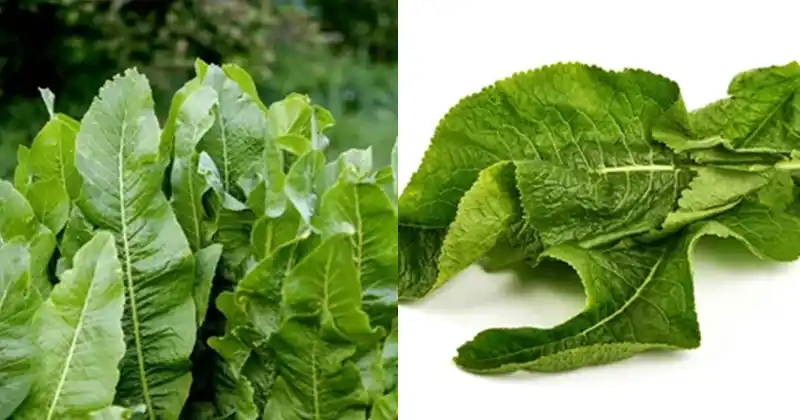
Often overshadowed by its pungent root, horseradish leaves are a nutritional treasure trove with a surprising range of health benefits and culinary uses. Whether you’re a natural remedy enthusiast or a creative cook, discovering what horseradish leaves can offer may completely change the way you see this humble garden plant.
1. Nutritional Profile: What Makes Horseradish Leaves Special?
Horseradish leaves are rich in:
Vitamin C – Boosts immunity and acts as a potent antioxidant
Vitamin A – Supports skin, vision, and cellular repair
Calcium and Magnesium – Strengthen bones and support nerve function
Iron – Helps prevent anemia and boosts energy levels
Glucosinolates – Known for anti-cancer and detoxification properties
Compared to many leafy greens, they offer a spicy kick along with medicinal strength.
2. Powerful Antioxidant and Anti-inflammatory Agent
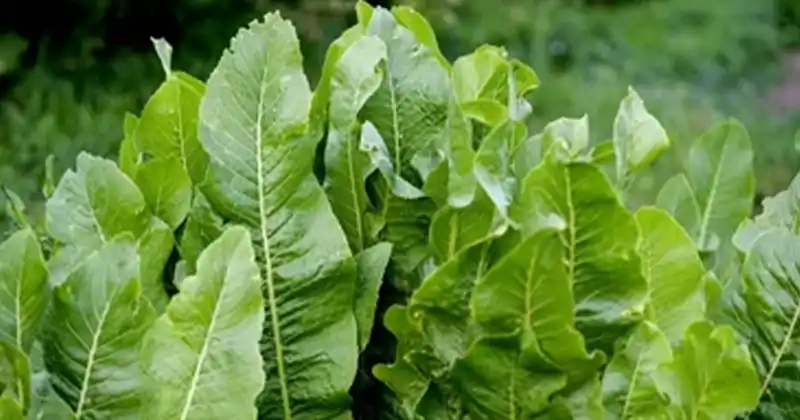
Horseradish leaves contain phenolic compounds and flavonoids, which help:
Neutralize free radicals
Reduce inflammation linked to arthritis and chronic illness
Promote cellular longevity
Their detoxifying properties also support the liver and kidneys.
3. Natural Antimicrobial and Antiviral Effects
Historically used in traditional medicine, horseradish leaves have natural antibacterial and antiviral compounds that:
Fight harmful pathogens
Help with respiratory issues
Support recovery during cold and flu season
4. Digestive Support and Detox Aid
The slightly bitter compounds in horseradish leaves stimulate bile flow, aiding in digestion and helping the body eliminate toxins. Regular use can:
Improve digestion
Relieve bloating and gas
Promote liver health
5. Blood Sugar and Circulation Benefits
Preliminary studies suggest that compounds in horseradish leaves may:
Help regulate blood sugar levels
Improve blood flow by relaxing vessels and reducing blood pressure
Aid in managing cholesterol levels
6. How to Use Horseradish Leaves in Cooking
Don’t throw them away! These spicy, mustard-like leaves can be:
Used raw in salads (sparingly due to strong flavor)
Chopped into soups and stews for extra zing
Stuffed like grape leaves with rice and herbs
Blended into pesto with olive oil, garlic, and nuts
Steamed or sautéed like spinach for a spicy side dish
7. Home Remedy Applications
Poultices: Crushed fresh leaves can be applied to joints for relief from arthritis pain
Infusions: Steeped in hot water for tea to help relieve cold symptoms and stimulate digestion
Topical wraps: Used to promote circulation in areas with soreness
8. How to Harvest and Store
Pick young, tender leaves for eating – older ones may be too fibrous
Store in the fridge for 2–3 days or blanch and freeze for longer preservation
Use gloves when harvesting if you have sensitive skin
9. Caution: Know Before You Use
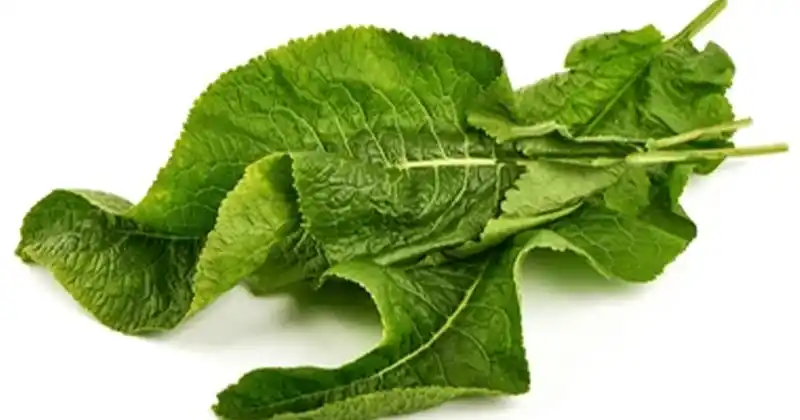
While horseradish leaves are safe in moderation, excessive use can cause irritation, especially for those with:
Stomach ulcers
Kidney problems
Thyroid disorders
Always consult a healthcare professional before using it medicinally, especially if pregnant or on medication.
Conclusion: Rediscovering a Forgotten Supergreen
Horseradish leaves are more than just a byproduct of a spicy root. They are a culinary and medicinal powerhouse that can invigorate your diet and support your well-being. With a little creativity and caution, they can become a staple in your natural wellness routine and kitchen alike.
