
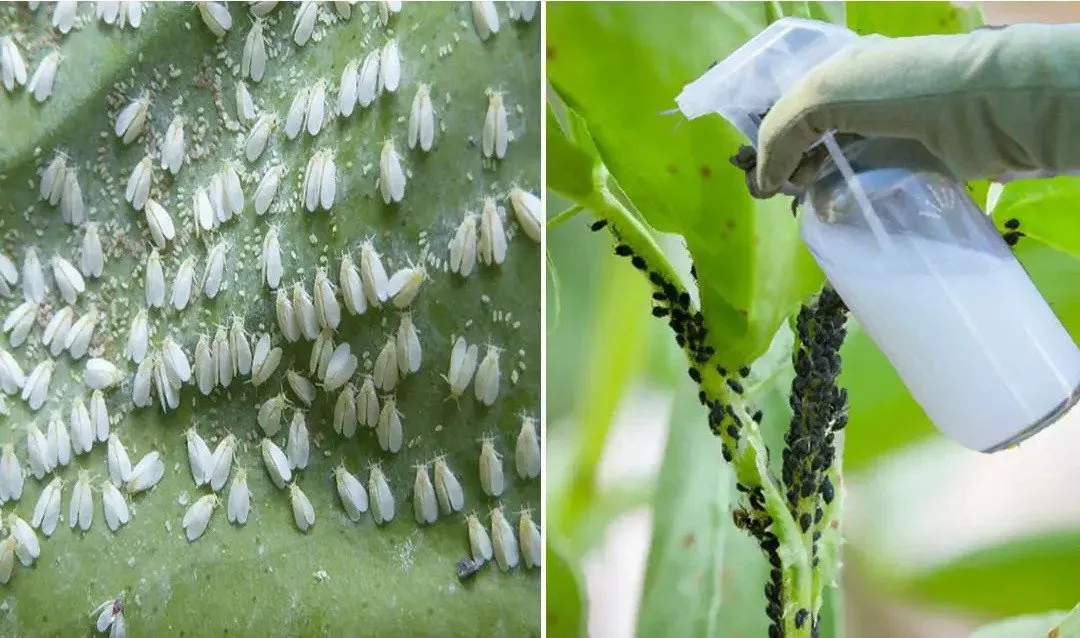
Aphids may be small—almost invisible to the naked eye—but they can wreak havoc on your roses, tomatoes, and young seedlings in just a few days. Often called “plant lice,” these pests thrive wherever growth is lush and vigorous. Curling leaves, sticky stems, and stunted development are common warning signs. If your garden seems to be losing its vitality, don’t worry—there is a simple, natural, and highly effective way to stop them.
Why Do Aphids Invade Your Plants?
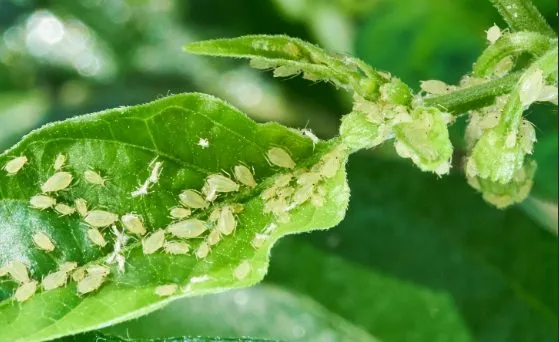
During spring and early summer, aphids reproduce at remarkable speed. Attracted by the sap of tender new shoots, they cluster beneath leaves, along soft stems, and around flower buds.
As they feed, they weaken the plant. The result? Distorted foliage, compromised flowering, and fragile seedlings. Aphids also secrete a sticky substance known as honeydew, which encourages the growth of black sooty mold and attracts ants. Without intervention, an infestation can quickly spread throughout your vegetable patch or greenhouse plants.
The good news is that harsh chemical pesticides are unnecessary. An effective natural remedy for aphids may already be in your kitchen.
Soapy Water: The Most Reliable Natural Solution
If you choose just one method, make it this one. Soapy water is simple, affordable, and extremely effective against aphids.
Why does it work? Soap breaks down the protective outer layer of the aphids’ bodies, leading to rapid elimination. When properly diluted, this solution is safe for most plants.
Easy Recipe to Prepare
You will need:
• 1 liter of lukewarm water
• 1 to 2 tablespoons of mild liquid dish soap (preferably plant-based and free of antibacterial agents)
Mix the ingredients in a spray bottle and shake gently to combine.
How to Apply It Correctly

1. Spray generously on affected areas.
2. Pay special attention to the undersides of leaves, where aphids tend to gather.
3. Apply in the morning or late afternoon to prevent sunlight from scorching wet foliage.
Repeat every two to three days if needed. Visible improvement often appears within 24 to 48 hours.
Helpful tip: Lightly rinse plants with clean water the following day to remove soap residue, especially if treating delicate varieties.
What If the Infestation Persists?
For young seedlings or severe infestations, consider complementary natural treatments:
• A cooled and strained garlic infusion sprayed onto foliage.
• A very diluted white vinegar solution (test on a small area first to avoid leaf burn).
• Neem oil, derived from a tropical tree and widely used in organic gardening.
Another powerful ally is the ladybug. A single larva can consume dozens of aphids per day. Encouraging biodiversity—through mixed hedges, nectar-rich flowers, and avoiding pesticides—helps attract these beneficial insects.
Prevention: The Best Long-Term Strategy
To reduce the risk of future infestations:
• Regularly inspect the undersides of leaves.
• Avoid excessive nitrogen-rich fertilizers, which stimulate the tender growth aphids love.
• Space plants adequately to ensure proper air circulation.
• Water at the base rather than over the leaves to limit excess moisture.
A balanced and diverse garden is naturally more resistant to pests.
With a few simple, eco-friendly practices, you can effectively protect your plants and restore your garden’s vitality—without disrupting its natural balance.
