
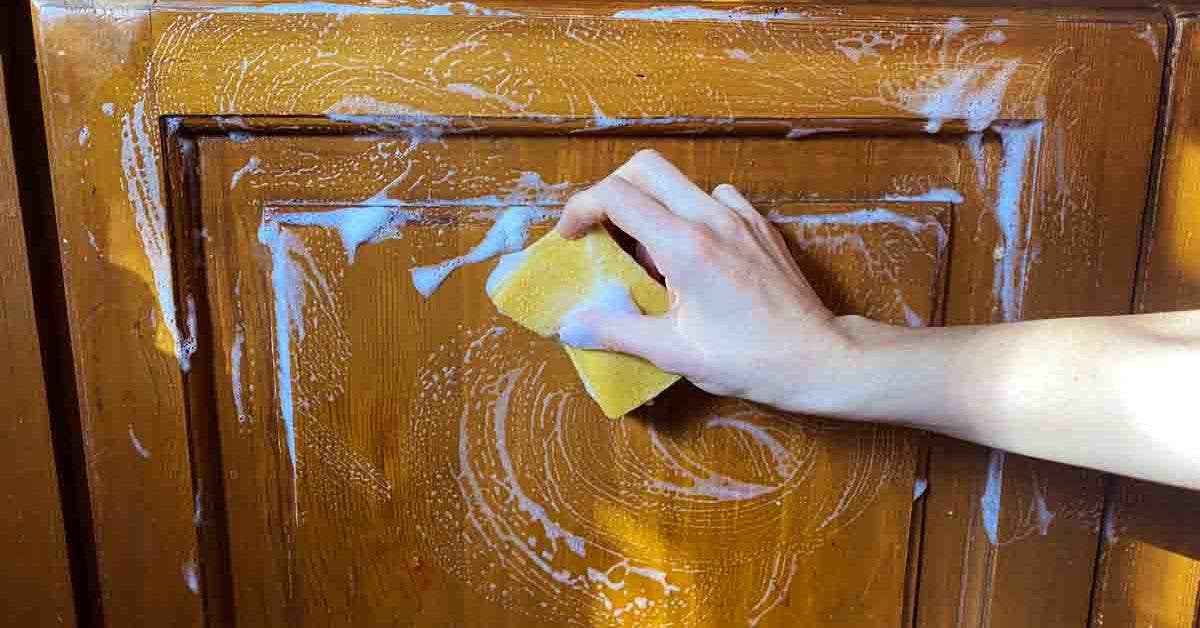
Grease accumulation on kitchen cabinets is a common problem faced by many. Cooking often leads to grease splatters, which, over time, form a stubborn layer that’s hard to remove. This article provides a genius tip for effectively tackling this issue, ensuring your kitchen cabinets look as good as new.
Understanding Grease Buildup
Causes of Grease Accumulation
Cooking oils and fats splattering during cooking.
Steam carrying grease particles that settle on surfaces.
Infrequent cleaning leading to the hardening of grease layers.
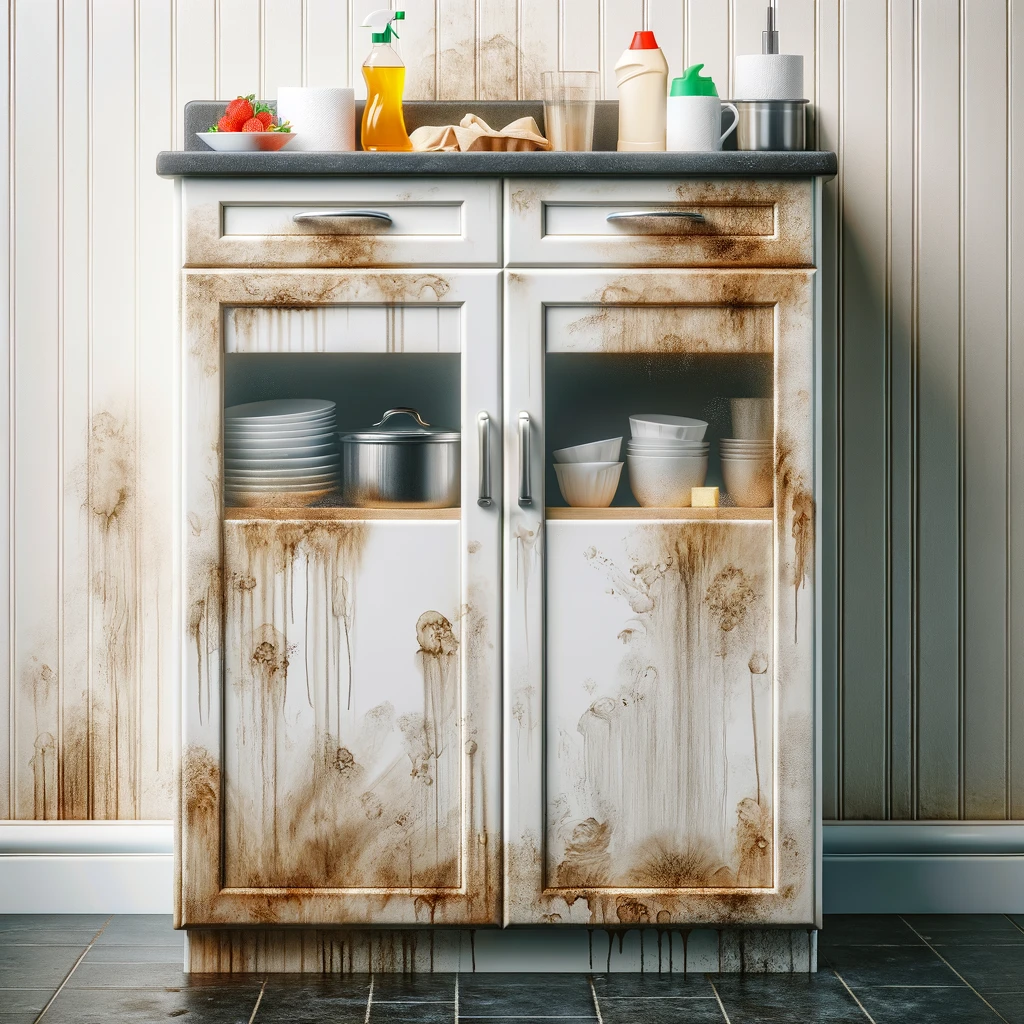

The Challenges in Grease Removal
Grease sticks to surfaces and becomes harder to remove over time.
Conventional cleaning products may not always be effective.
Harsh chemicals can damage cabinet surfaces.
The Genius Tip: Using a Natural Grease-Cutting Solution
The Power of Vinegar and Baking Soda
Vinegar is a natural degreaser, while baking soda acts as a gentle abrasive.
Together, they break down grease without damaging surfaces.

Recipe for the Cleaning Solution
Mix one part white vinegar with two parts warm water.
Add a tablespoon of baking soda for extra grease-cutting power.
Step-by-Step Guide to Cleaning Greasy Cabinets
Preparing the Area
Clear the countertops and protect them with a cloth or newspaper.
Wear gloves to protect your hands.
Application of the Cleaning Solution
- Spray or Apply the Solution: Use a spray bottle or a cloth to apply the mixture to the cabinets.
- Let it Sit: Allow the solution to work on the grease for 5-10 minutes.
- Scrub Gently: Use a soft sponge or cloth to scrub the cabinets in a circular motion.

Rinsing and Drying
After scrubbing, wipe the cabinets with a damp cloth to remove any residue.
Dry the cabinets with a clean, dry cloth to prevent streaks.
Alternative Methods for Tough Grease
Using Dish Soap
Dish soap is designed to cut through grease and can be used for tougher stains.
Mix a few drops with warm water and apply with a sponge.
Commercial Grease Removers
For persistent grease, commercial kitchen degreasers can be effective.
Choose a product that is safe for your cabinet’s material.

Preventive Measures to Keep Cabinets Grease-Free
Regular Cleaning
Wipe down cabinets regularly with a mild cleaning solution to prevent grease buildup.
Using Cooking Vents and Lids
Use cooking vents or fans and cover pans while cooking to minimize grease splatter.
Choosing the Right Cleaning Cloths
Micro fiber cloths are excellent for trapping grease and can be more effective than regular rags.
Addressing Different Cabinet Materials
Wood Cabinets
Use a solution of mild dish soap and water. Avoid over-saturating the wood.
For polished wood, use a cleaner specifically designed for wood surfaces.
Laminate or Painted Cabinets
These materials can handle stronger cleaning solutions. However, always perform a spot test first.
Avoid abrasive tools or scrubbers that can damage the finish.
Glass or Metal Cabinet Features
For glass, a vinegar and water solution works well. Use a soft cloth to avoid scratches.
For metal, use a mild detergent solution and avoid corrosive materials.
Eco-Friendly Cleaning Tips
Avoiding Harmful Chemicals
Steer clear of cleaners with toxic chemicals that can harm the environment and your health.
Opt for natural ingredients like lemon juice or castile soap for a green cleaning approach.
Homemade Grease Cleaner Variations
Experiment with adding lemon juice or essential oils to the vinegar and baking soda mix for a pleasant scent and additional cleaning power.
Create a paste of baking soda and water for spot treatments.
The Science Behind Grease Removal
How Vinegar and Baking Soda Work
Vinegar, an acid, breaks down the grease, making it easier to wipe away.
Baking soda, a base, reacts with vinegar, creating a mild abrasive action that lifts grease without scratching surfaces.
The Importance of Regular Maintenance
Routine cleaning prevents the buildup of tough grease layers, making cleaning easier and less time-consuming.
Dealing with Persistent Stains
Soaking Stubborn Spots
Apply the cleaning solution to stubborn grease spots and let it soak for a longer period.
For extremely tough stains, apply a baking soda paste and leave it overnight before scrubbing.
Safety Considerations
Protecting Your Skin and Eyes
Wear gloves to protect your skin from natural but potentially irritating cleaning agents.
If using commercial cleaners, consider eye protection, especially in poorly ventilated areas.
Conclusion
Keeping kitchen cabinets grease-free is essential for a clean and hygienic cooking environment. Using a natural solution of vinegar and baking soda is not only effective but also safe and eco-friendly. This genius tip, along with regular maintenance and the right cleaning techniques for different cabinet materials, can make a significant difference in your kitchen’s appearance and cleanliness. Remember, the key to effective grease removal is not always about using harsh chemicals but understanding the nature of grease and tackling it with the right tools and solutions.
