
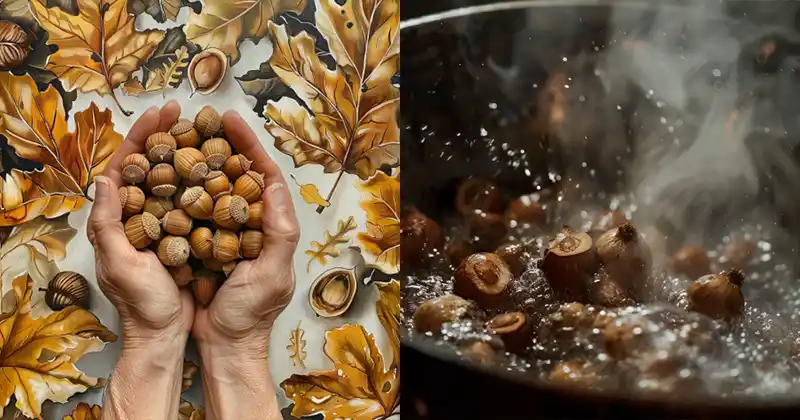
Amid the abundant treasures of autumn, nestled among the vibrant palette of falling leaves, lies a modest treasure often overlooked: the acorn. This humble fruit of the majestic oak tree has nourished countless animals and civilizations throughout the ages. Yet today, its role is largely forgotten, overshadowed by more conventional foods. This article invites you to rediscover the potential of the acorn, not only as a sustainable food source but also as a true concentration of nutritional and health benefits. By exploring the world of acorns, we will reveal the secrets to transforming them into delightful dishes while appreciating the richness of their virtues. Incorporating acorns into our diet is far more than a tribute to our ancestor gatherers: it represents a stride toward a sustainable lifestyle and nourishing well-being.
The Nutritional Virtues and Benefits of the Acorn
The acorn transcends the simple role of a survival food: it exemplifies the abundance offered by nature and overflows with lesser-known health advantages. Here is a detailed list of the many qualities of this fruit:
An exceptional nutritional profile: Acorns are rich in essential nutrients, including vitamins A and C, which are crucial for the immune system and skin health. They also provide a good dose of B vitamins, vital for energy metabolism and optimal brain function.
A significant source of minerals: These fruits contain key minerals such as potassium, which helps regulate blood pressure, calcium, indispensable for strong bones, and magnesium, necessary for over 300 biochemical reactions in the body.
High in fiber: The elevated fiber content in acorns promotes healthy digestion, combats constipation, and maintains optimal intestinal balance. Fibers also play a crucial role in weight management and reducing cardiovascular risk.
Antioxidant properties: Acorns contain antioxidants that fight oxidative stress, which can lead to chronic inflammation, and reduce the risk of diseases such as diabetes, cancer, and heart conditions.
A heart-healthy ally: The unsaturated fatty acids found in acorns help lower bad cholesterol levels, thereby contributing to the prevention of cardiovascular diseases.
Gluten-free alternative: Acorn flour serves as a gluten-free substitute for traditional flours, ideal for individuals sensitive or intolerant to gluten.
A genuine energy booster: Acorns are energy-rich, offering a sustainable source of fuel perfect for active lifestyles.
A sustainable food: Harvesting acorns fosters a respectful connection with nature, encouraging eco-friendly eating habits and reducing dependence on industrially produced and imported goods.
A cultural and historical heritage: Incorporating acorns into our modern diet honors the traditions of many indigenous and ancient civilizations for whom the acorn was a staple food, inviting a deeper recognition of our natural and cultural heritage.
Great culinary versatility: Whether as flour or oil, acorns lend themselves to a multitude of preparations, opening the door to exploring new flavors and textures in cooking and baking.
Economic advantage: Gathering acorns allows for cost savings by limiting grocery purchases while promoting self-sufficiency.
A useful tool for weight management: The balance of fiber, healthy fats, and proteins in acorns helps prolong feelings of fullness, a valuable asset for weight control.
The benefits of acorns extend far beyond their nutritional value: they also encompass an ecological commitment, economic gain, and a restoration of ties with natural cycles. Moving now to the practical aspects of gathering and preparation, we embark on a journey that not only rediscovers an ancient food but also embraces a lifestyle grounded in the abundance nature offers. The next step will reveal how to harness the edible potential of acorns safely and deliciously.
Harvesting and Selecting Acorns
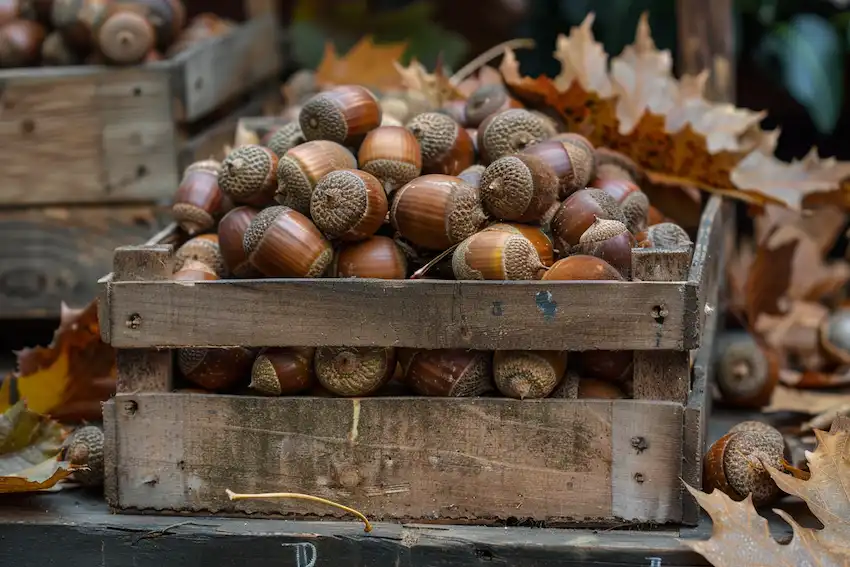
The first step is to gather acorns, ideally in early autumn, when they reach maturity and are plentiful. Choose firm acorns that are free of holes or cracks, which may indicate infestation or rot. Green acorns are immature and should be left on the tree to ripen. Brown acorns that easily detach from their cupule are ready for use. It is important to harvest only from the ground, leaving enough acorns for wild animals and to ensure the regeneration of oak forests, in a sustainable and respectful approach.
Preparing Acorns to Remove Tannins
Shell the acorns: Begin by removing the outer shell around the acorn. This step can be done by hand or with a nutcracker. Though laborious, it is essential to access the edible kernel inside.
Remove tannins: The critical step to making acorns edible is eliminating tannins, the bitter compounds that can be toxic in large amounts. Two main leaching methods are distinguished:
Cold leaching: This method involves soaking shelled acorns in cold water. Change the water as soon as it turns colored, approximately every 12 to 24 hours, until the water remains clear, indicating that the tannins have been removed. This process can take several days or even a week, depending on the variety.
Hot leaching: Faster than the cold method, hot leaching requires constant attention. Boil the acorns in water, then change the water as soon as it darkens. Repeat this operation until the water stays clear. This method can complete tannin removal in just a few hours.
Drying: Once leaching is finished, it is crucial to dry the acorns thoroughly to prevent mold formation and facilitate grinding. Spread them on a tray and dry gently in a low-temperature oven, a dehydrator, or allow them to air dry in a well-ventilated sunny place.
Making Acorn Flour
After drying, acorns can be ground into powder using a food processor, blender, or manual mill. Store the flour in an airtight container, protected from moisture and heat, or freeze it for long-term storage. Acorn flour is an excellent substitute for traditional flours, adding a slightly nutty flavor and a nutritional boost to your breads, pancakes, and other pastries.
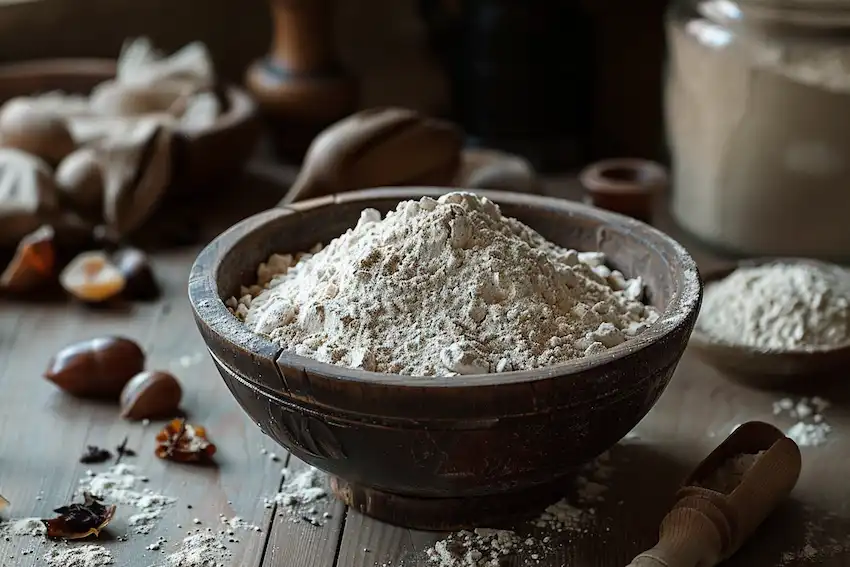
Integrating acorns into our diet is a return to the foundations of human sustenance, honoring the wisdom of ancestors who fed on the gifts of nature. This journey goes beyond simply adding a new ingredient to our cupboards; it invites us to deeply reconnect with natural cycles, to understand rhythms of growth and renewal, and to celebrate the generosity that surrounds us. By incorporating acorns into our meals, we continue a millennia-old tradition, paying tribute to the oak and its vital role for both the environment and our health. May this simple yet meaningful fruit inspire you to explore, innovate, and savor the authentic pleasures of gathering and feasting offered by the earth.
