
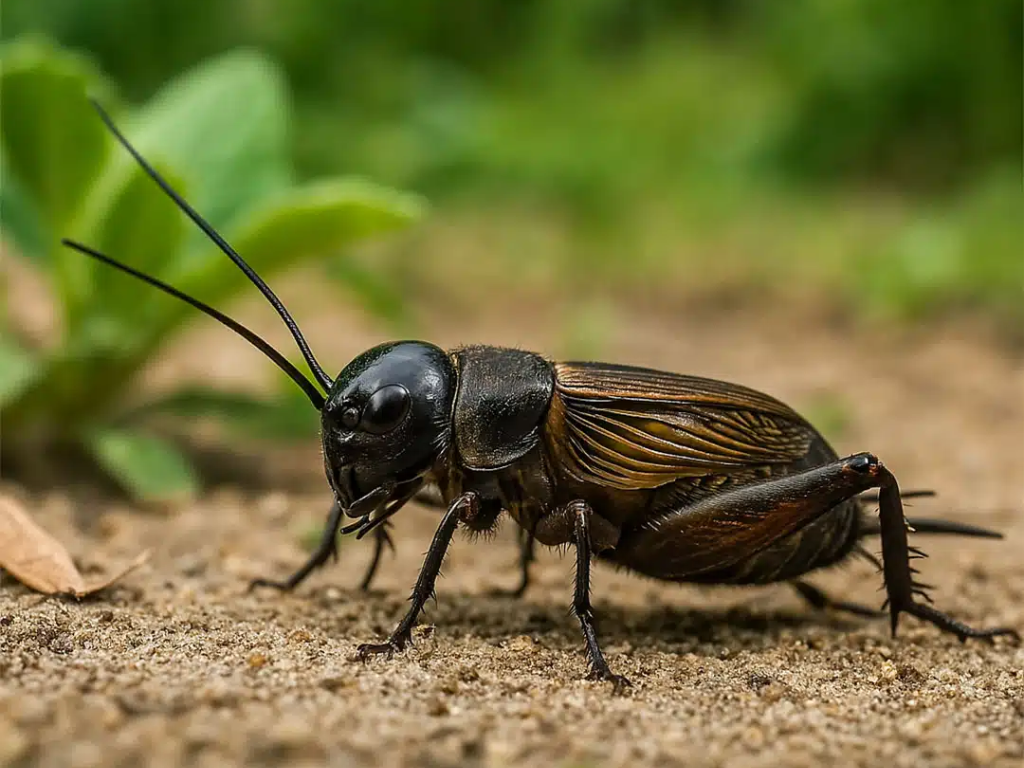
A Millennia-Old Tradition of Admiration
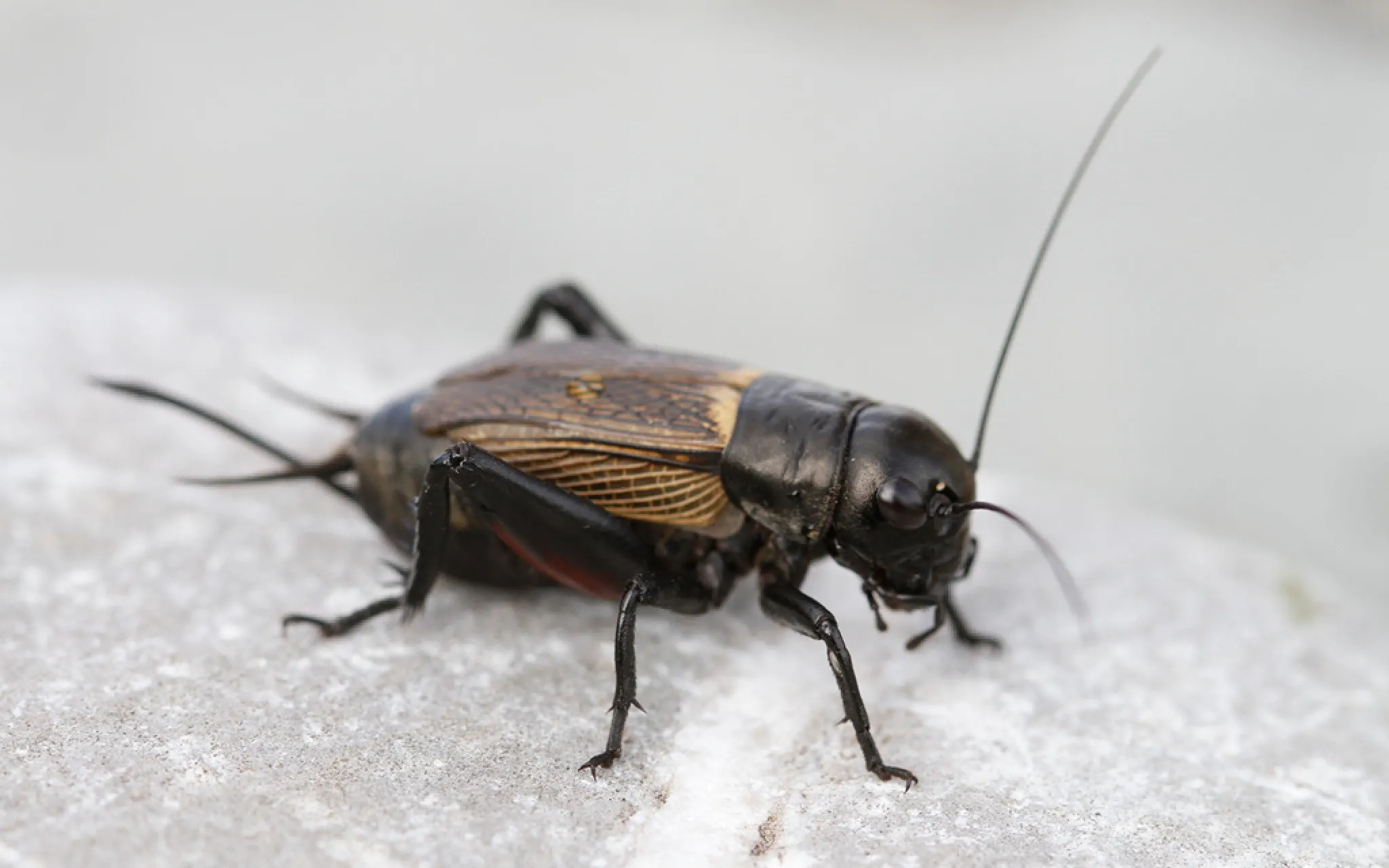
For thousands of years, the cricket has been much more than just an ordinary insect. In ancient China, as early as the 5th century BCE, it was regarded as a living gem. Its steady song was so captivating that people kept them in cages, much like songbirds, in order to enjoy this unique natural melody.
But what could inspire such passion? In Asian civilizations, the cricket’s song symbolized far more than mere music: it heralded good fortune, fertility, and often promised a bountiful harvest. In rural villages across Japan and China, residents would patiently await the cricket’s call before tilling the fields in spring, making these insects true living clocks—precious as agricultural calendars.
A Universal Emblem of Luck and Vigilance
Beyond its music, the cricket played a protective, symbolic role. Its rhythmic chirping was highly sensitive to the slightest surrounding noises, acting as a natural alarm system. Like a “miniature sentinel,” it warned of potential intruders or dangers nearby.
In medieval Europe and the Middle East, this belief manifested in the creation of cricket-shaped amulets. Worn on the person or hung inside the home, these talismans were thought to ward off evil spirits and safeguard households—customs comparable to today’s four-leaf clovers or lucky horseshoes.

A Powerful Symbol of Fertility… and Alertness
The cricket is also impressive for its exceptional reproductive ability. A single female can lay several hundred, sometimes even thousands of eggs during a single season. This remarkable fertility made the cricket a symbol of vigor and prosperity, especially in Chinese culture where having many descendants signifies family success.
However, this capacity can sometimes be concerning. Like many prolific species, crickets can multiply rapidly when conditions are favorable, potentially leading to outbreaks that may become problematic.
When the Cricket Invades Human Spaces
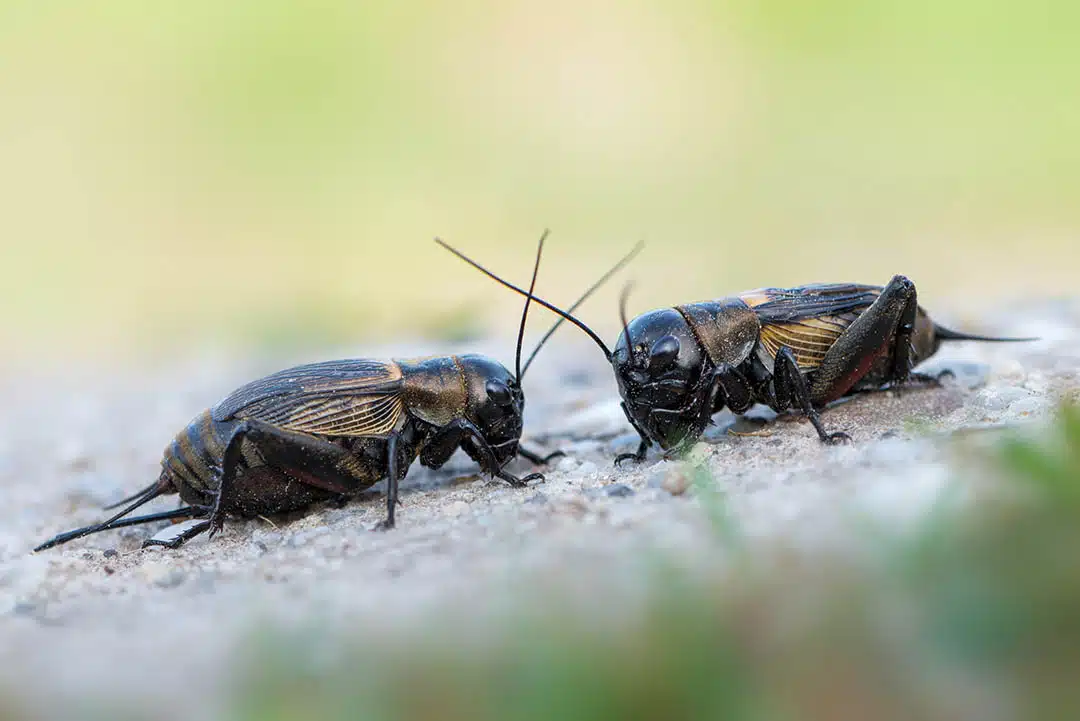
A concrete example occurred in Argentina’s Córdoba province two years ago. Residents faced a massive invasion of crickets that transformed streets and homes into genuine “buzzing zones.”
What caused this phenomenon? Experts highlight two key factors: heat combined with high humidity—ideal conditions for egg hatching and rapid population growth in a remarkably short time.
While crickets usually pose no threat, their proliferation can attract far less welcome guests. The scorpion, a primary predator of crickets, tends to follow large cricket populations, increasing the risk of these arachnids entering our homes.
A Poetic Messenger Not to Be Overlooked
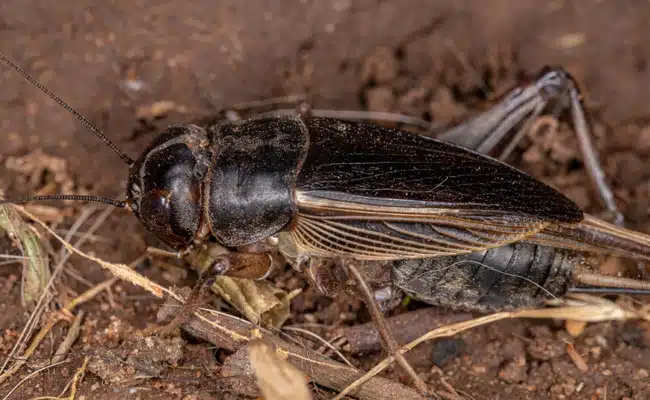
Ultimately, the cricket is much like the old traditional countryside clocks: it marks the rhythm of life, signals significant events, but can sometimes fall out of sync. Its song is a precious alert, a coded message from nature.
The next time you hear a cricket chirping in your garden or beneath your window, take a moment to consider what it might be trying to convey. Perhaps it announces that luck is knocking at your door… or that it is time to ensure your home is well protected.
