

The Unexpected Health Benefits of Onion
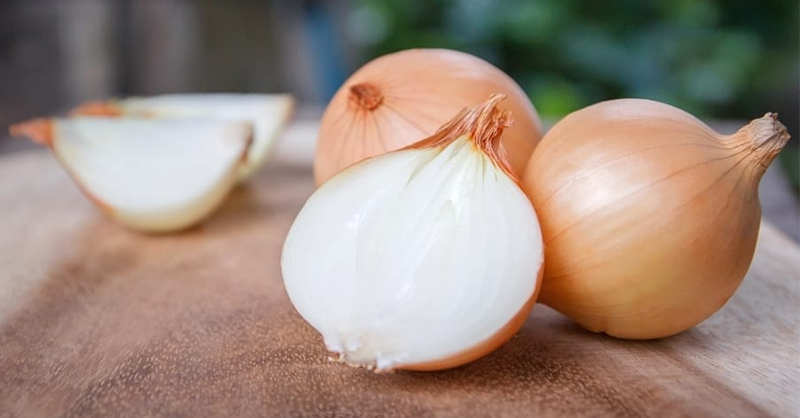
Onion is a staple ingredient in kitchens worldwide, and its popularity is no coincidence. This vegetable is loaded with natural compounds that significantly contribute to a balanced diet. Among these are powerful antioxidants that strengthen the body’s natural defenses and help counter daily assaults.
Another significant advantage is its role in maintaining a healthy cardiovascular system. Moreover, onion integrates effortlessly into a diverse diet without making dishes heavy. Its richness in vitamin C and sulfur compounds gives it a reputation as a natural stimulant, often associated with a feeling of vitality and lightness… provided, of course, that it is well tolerated by each individual.
In summary, on paper, onion is a genuine ally for health.
When Onion Becomes Harder to Digest
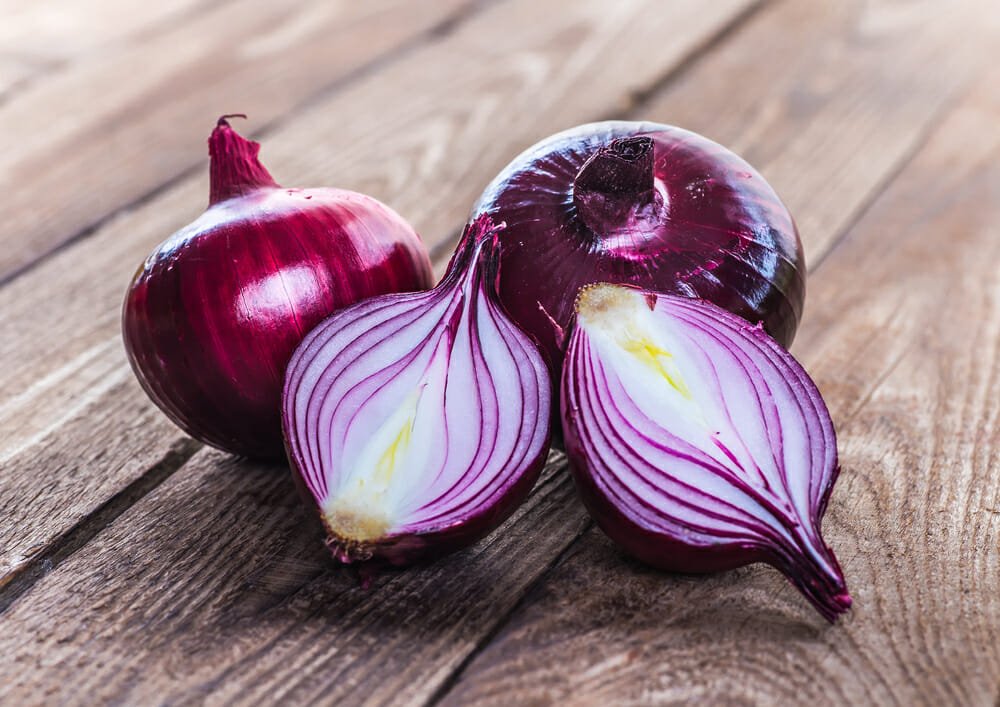

The main drawback of onion lies in digestion. Some people experience bloating, discomfort, or an inflated stomach after consuming it, especially when eaten raw.
The primary reason is the presence of fermentable fibers in onion, which can be difficult to digest for sensitive intestines. This leads to gas, discomfort, and a sensation of abdominal heaviness.
The often effective solution is cooking. Sautéing, simmering, or caramelizing onion makes it gentler on the digestive system while preserving its distinctive flavor.
Raw Onion: A Risky Choice for Some Stomachs
If you tend to suffer from heartburn or acid reflux, consuming raw onion can exacerbate these unpleasant sensations. Its sharp taste and texture can irritate the most sensitive stomachs.
However, it is unnecessary to exclude it entirely from your diet. Consuming small amounts or favoring cooked onions generally helps avoid this type of discomfort while still enjoying their flavorful qualities.
A Slight Blood-Thinning Effect to Consider
Less common but useful to know: onion possesses a natural blood-thinning effect, albeit a mild one. For most consumers, this does not pose a risk, but it serves as a reminder that even the most beneficial foods should be consumed in moderation.
If your diet already includes many foods with similar effects, varying your ingredients is a wise approach for optimal balance.
Raw or Cooked Onion: A Choice Based on Your Needs
The good news is that you don’t have to pick a side. Each form has its advantages.
Raw onion retains a higher vitamin C content and adds freshness and crunch to your salads and cold dishes.
Cooked onion, on the other hand, is milder, easier to digest, and extremely versatile in the kitchen, favoring a more pleasant digestion.
The best approach is to alternate based on your cravings, digestive tolerance, and the season to fully benefit from this vegetable’s qualities.
Why Do Onions Make Us Cry When We Cut Them?

It’s impossible to discuss onions without mentioning this well-known phenomenon. When cut, onions release a sulfur compound that slightly irritates the eyes, causing tears. Rest assured, this reaction is harmless and temporary.
To reduce this effect, simple tips work well: chilling the onion in the fridge for about fifteen minutes before cutting, or using a very sharp knife to avoid crushing too many fibers.
How Much Onion Should You Consume Daily?
Practically speaking, 30 to 50 grams of raw onion (about a quarter of a medium-sized onion) or 100 to 150 grams of cooked onion (equivalent to one whole medium onion) per day suits most people.
The key is to listen to your body: if you experience bloating or any digestive discomfort, it’s better to reduce the amounts or favor well-cooked onion, which is easier to digest.
Onion remains a valuable daily ally, provided you tailor your consumption to your specific needs and digestive comfort.
