
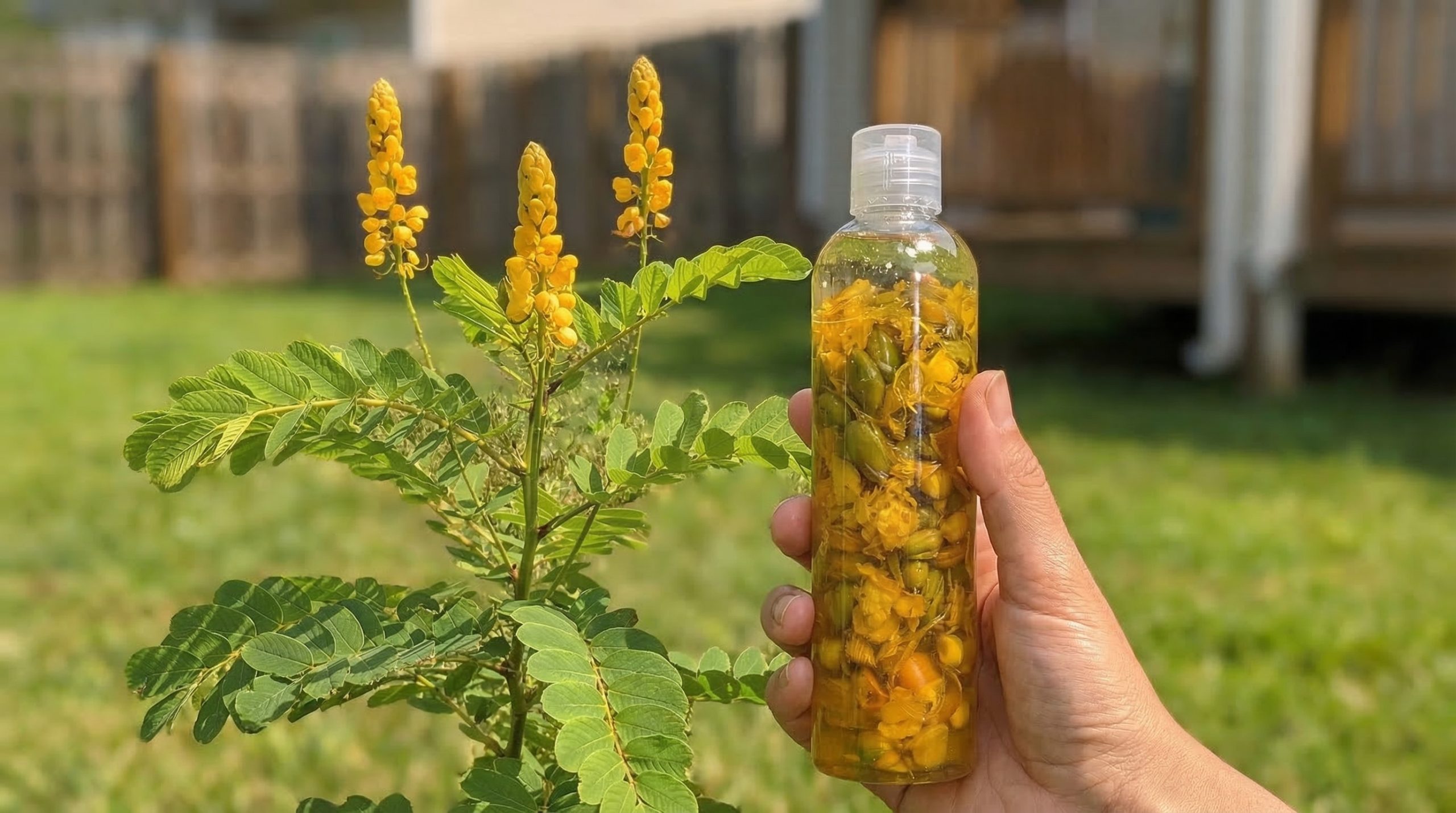
Senna alata, commonly known as the Candle Bush, Ringworm Bush, or Empress Candle Plant, is a striking tropical shrub recognized for its tall spikes of bright yellow flowers. Beyond its beauty, this plant has long been valued in traditional medicine for its remarkable ability to support skin health and combat fungal infections.
For centuries, communities across Africa, Asia, and South America have relied on Senna alata as a natural remedy for skin irritation, inflammation, and infections. Modern interest in herbal medicine has revived appreciation for this plant because it offers powerful, natural solutions that are simple to prepare and use at home.
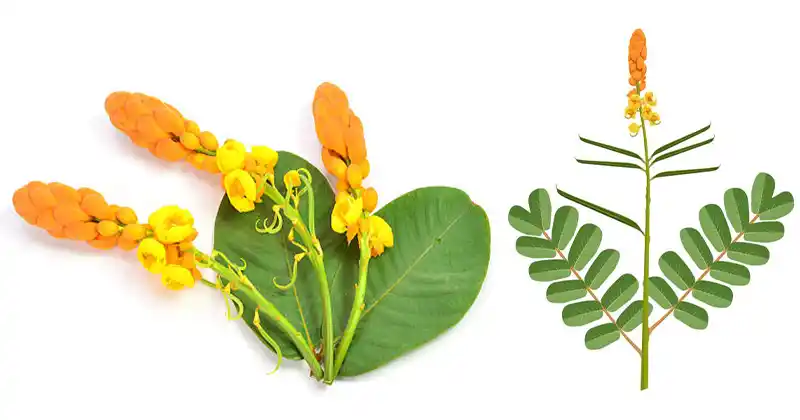
The Antifungal Power of Senna Alata
The most celebrated benefit of Senna alata is its strong antifungal activity. The leaves contain natural compounds such as chrysophanol and aloe-emodin, which help inhibit fungal growth and restore balance to affected skin.
Common Skin Conditions It May Help With
Ringworm infections are among the most common conditions treated with this plant. Traditional healers often use fresh leaf preparations to reduce fungal spread and relieve irritation.
Eczema-like skin irritation may also improve when the plant is used topically due to its soothing and antimicrobial effects.
Tinea versicolor, a fungal condition that causes skin discoloration, is another issue where the plant has been traditionally applied.
Dandruff linked to fungal imbalance may improve when Senna alata is used as a scalp rinse.
Minor skin infections, redness, and itching may be soothed thanks to its natural anti-inflammatory compounds.
Because its active compounds work in a way similar to mild antifungal creams, many people prefer this plant as a gentle herbal alternative to synthetic treatments.
Additional Benefits of Senna Alata
Supports Natural Wound Healing
The antimicrobial properties of Senna alata help keep minor skin injuries clean and may promote faster healing by preventing bacterial growth.
Natural Anti-Inflammatory Effects
Topical preparations made from the leaves may reduce swelling, redness, and discomfort caused by rashes or insect bites.
Traditional Digestive Support
In small quantities, the plant has historically been used as a mild herbal tea to support digestion and relieve occasional constipation.
Scalp and Hair Care
When applied to the scalp as a rinse or paste, the leaves may help relieve dandruff caused by fungal imbalance and restore comfort to irritated skin.
Natural Skin Cleansing
Preparations made from the leaves can help cleanse the skin, remove impurities, and support a healthier skin environment.
How to Use Senna Alata at Home
Several simple preparations allow you to use Senna alata safely and effectively for skin care and wellness.
Fresh Leaf Paste
This traditional remedy is widely used for fungal infections such as ringworm or itchy patches.
Fresh leaves are washed thoroughly and crushed into a thick green paste. A few drops of water or coconut oil can be added if needed to achieve the desired consistency.
The paste is applied directly to the affected skin and left for about 20 to 30 minutes before rinsing with warm water. It can be used once or twice daily until improvement appears.

Herbal Ointment
An infused oil or ointment made from the leaves can provide longer-lasting relief for dry, itchy, or irritated skin.
Chopped leaves are gently heated in coconut oil or shea butter for about 10 to 15 minutes on low heat. Once cooled, the mixture is strained and stored in a clean container.
The ointment can be applied several times a day to help soothe persistent skin irritation.
Herbal Bath
A soothing bath made with Senna alata leaves may help relieve widespread itching or skin discomfort.
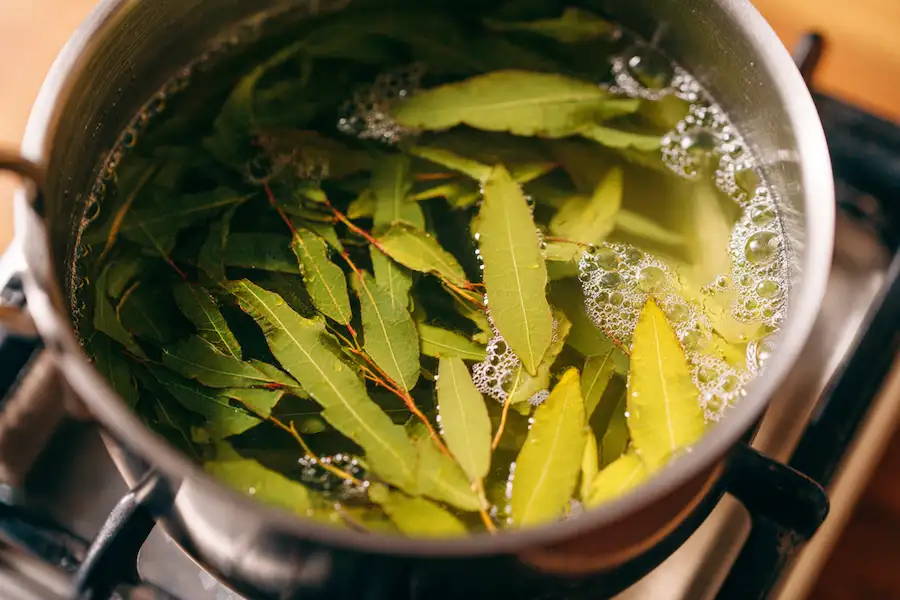
Two handfuls of leaves are boiled in water for about 10 minutes. The liquid is then added to bathwater for a relaxing soak lasting 15 to 20 minutes.
Scalp Rinse
This preparation is commonly used for fungal dandruff and scalp irritation.
The leaves are boiled in water and allowed to cool before being strained. After washing your hair, the liquid is poured slowly over the scalp and left for several minutes before rinsing.
Mild Digestive Tea
In traditional medicine, very small amounts of the leaves are sometimes used to prepare a mild tea for digestive support.
One or two small leaves are steeped in hot water for several minutes. Because the plant has natural laxative properties, this tea should be consumed only occasionally.
Precautions
Although Senna alata has a long history of safe traditional use, certain precautions should be followed.
Avoid applying the plant to open wounds, as this may cause irritation.
Always perform a patch test before applying it to a larger area of skin, particularly if you have sensitive skin.
Internal use should be limited, as the plant has strong laxative effects.
Pregnant or breastfeeding individuals should avoid internal consumption unless advised by a healthcare professional.
If irritation or worsening symptoms occur, discontinue use and seek medical advice.
Disclaimer
The information provided here is for educational purposes only and should not replace professional medical advice. While Senna alata is widely used in traditional medicine, reactions may vary between individuals.
Consult a qualified healthcare professional before using herbal remedies, particularly if you are pregnant, breastfeeding, taking medications, or managing a chronic health condition.
Final Thoughts
Senna alata stands out as one of nature’s most effective herbal allies for skin health. Its natural antifungal and anti-inflammatory properties make it a valuable plant for addressing common skin problems using simple, homemade preparations.
From fresh leaf pastes to soothing herbal baths, this remarkable plant offers accessible and time-tested remedies that continue to support wellness around the world.
