
Purple Deadnettle (Lamium purpureum): Benefits, Uses & How to Make Tea
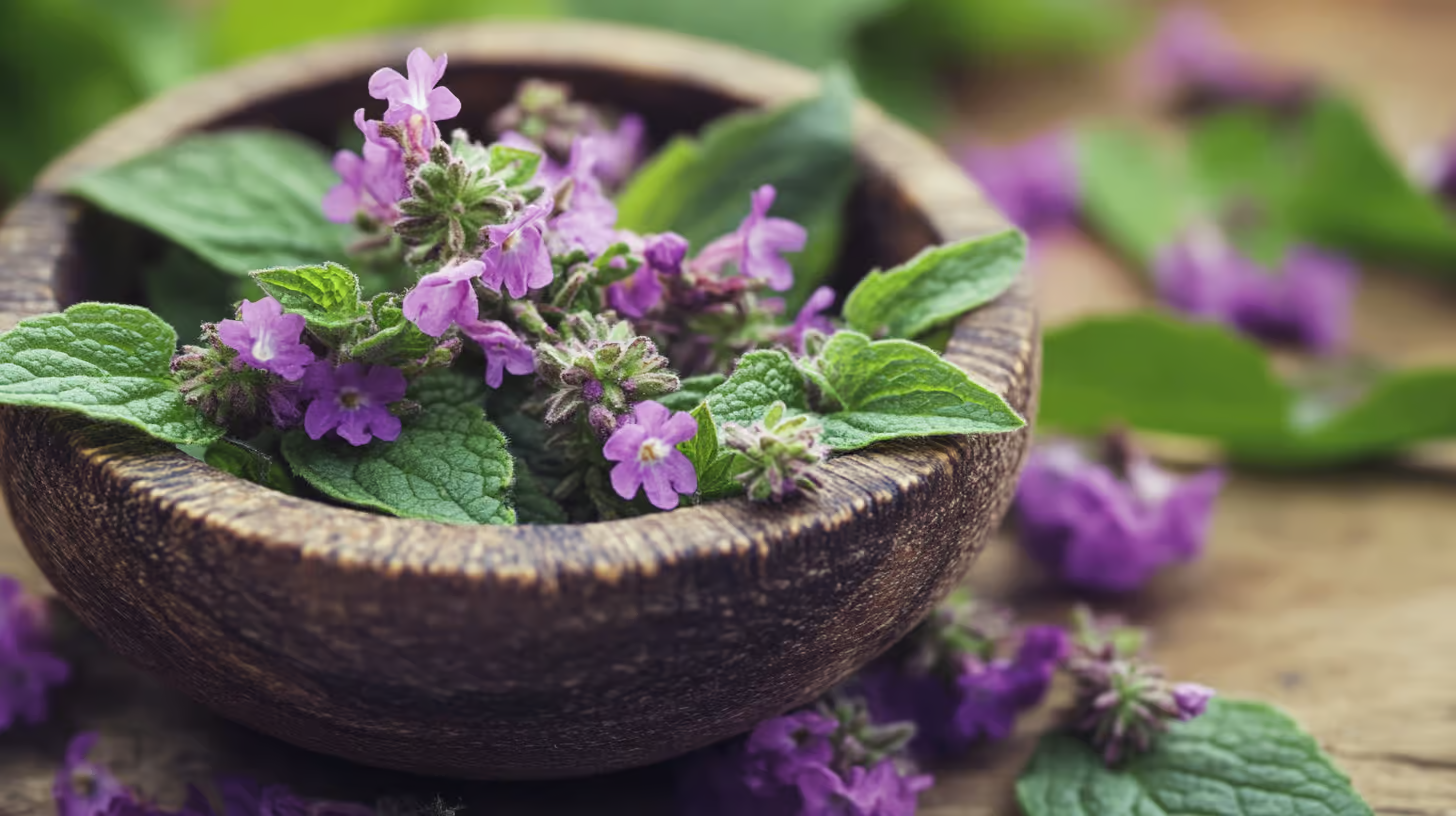
Often disregarded or mistaken for a mere weed, Purple Deadnettle (Lamium purpureum) is a remarkable springtime plant that flourishes in gardens, along roadsides, and across meadows. Despite its name suggesting a plant with a sting, purple deadnettle is actually soft to the touch and entirely sting-free. Native to Europe and Asia, this member of the mint family has become naturalized throughout North America and is increasingly recognized for its broad spectrum of health advantages and traditional applications. Let’s delve into the reasons this modest plant deserves a spot in your herbal collection and how to enjoy its soothing benefits as a tea.
What Is Purple Deadnettle?
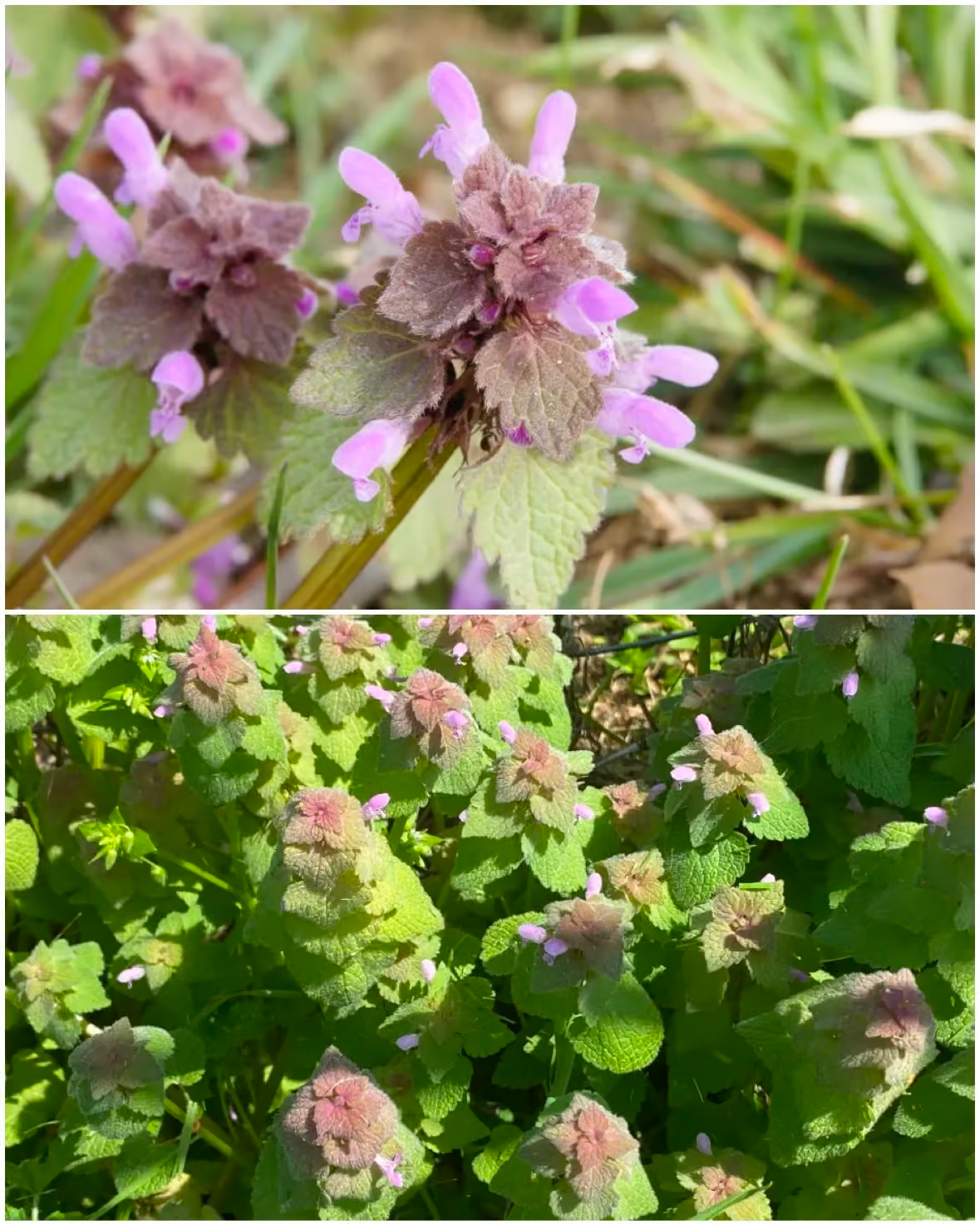
Purple Deadnettle is an annual flowering plant well-known for its soft, fuzzy leaves, distinctive square stems, and vibrant purple-tinged upper leaves. It blooms early in the spring season, offering a critical nectar source for bees and other pollinators emerging from winter dormancy. Although often dismissed as a common weed, it is both edible and medicinal, with a long history of use in folk medicine traditions.
The name “deadnettle” arises because, unlike true nettles (Urtica species), this plant does not sting, even though it bears a certain visual resemblance to stinging nettles. In this context, “dead” means “inactive” or “stingless,” highlighting its harmless nature to the touch.
Health Benefits of Purple Deadnettle
- Anti-inflammatory Properties
Purple deadnettle is rich in flavonoids and polyphenols, naturally occurring compounds known for their ability to reduce inflammation within the body. This plant is frequently applied both topically and internally to relieve joint pain, alleviate menstrual cramps, and soothe various skin irritations. - Immune System Support
Loaded with vitamin C, iron, and multiple antioxidants, purple deadnettle supports the immune system and helps the body combat common seasonal illnesses. It also contains quercetin, a natural compound praised for its antihistamine effects, which may reduce allergic reactions. - Wound Healing and Antibacterial Action
Traditionally, crushed purple deadnettle leaves have been applied directly to minor cuts, scrapes, and insect bites. Its strong antibacterial and astringent properties promote skin healing and help prevent infection. - Digestive Aid
Consuming purple deadnettle tea can help ease indigestion and mild gastrointestinal discomfort due to its gentle laxative and anti-spasmodic effects, calming digestive tract spasms and promoting smoother digestion. - Detox and Diuretic Effects
This plant possesses mild diuretic properties, encouraging the kidneys to eliminate excess fluids and toxins from the body, thereby supporting natural cleansing and detoxification processes.

How to Make Purple Deadnettle Tea
Preparing a tea using fresh or dried purple deadnettle is a simple and effective way to reap its health benefits. Below is a straightforward method to prepare this calming herbal tea:
Ingredients:
- 1 tablespoon dried purple deadnettle leaves (or a small handful of fresh leaves)
- 1 cup of boiling water
- Optional: honey, lemon, or mint to enhance flavor
Instructions:
- Harvest Carefully: When foraging for wild purple deadnettle, ensure you collect from clean, pesticide-free environments. Avoid areas such as roadsides or regions prone to pollution.
- Rinse and Dry: Wash the leaves thoroughly to remove dirt and insects. If you plan to dry them for future use, hang the leaves in a warm, ventilated place, or use a food dehydrator.
- Steep: Place the fresh or dried leaves into a teacup or teapot. Pour boiling water over them.
- Cover and Wait: Let the mixture steep for 10 to 15 minutes, allowing enough time for the medicinal compounds to be released into the water.
- Strain and Enjoy: Strain out the leaves, add honey, lemon, or mint if desired, and enjoy the tea warm.
This tea can be consumed once or twice daily during cold weather or whenever a soothing herbal remedy is needed.
Other Ways to Use Purple Deadnettle
- Salads & Smoothies: Incorporate young, tender leaves into your salads or green smoothies for an added nutritional boost.
- Poultices: Crush fresh leaves and apply them directly onto minor wounds or skin irritations to promote healing and reduce inflammation.
- Tinctures and Infusions: Prepare concentrated herbal extracts for sustained, long-term use in tincture or infusion form.
- Bees & Pollinators: Leave an area of purple deadnettle growing in your garden early in spring to support local bee populations, as they are highly attracted to its nectar.
Precautions
Though purple deadnettle is generally considered safe for most people, it is vital to accurately identify wild plants before consumption to avoid mistakenly ingesting harmful lookalikes. Individuals allergic to plants in the mint family or those who are pregnant or breastfeeding should consult a healthcare provider prior to use.
Conclusion
Though it may be just growing unnoticed in your backyard, purple deadnettle is a plant filled with significant healing potential. From bolstering your immune system and aiding skin care to supporting detoxification, this resilient and unpretentious herb proves that nature’s most valuable remedies often come in the humblest forms. Brew yourself a cup of its gentle herbal tea, and you may discover a new and treasured ally on your path to well-being.
