
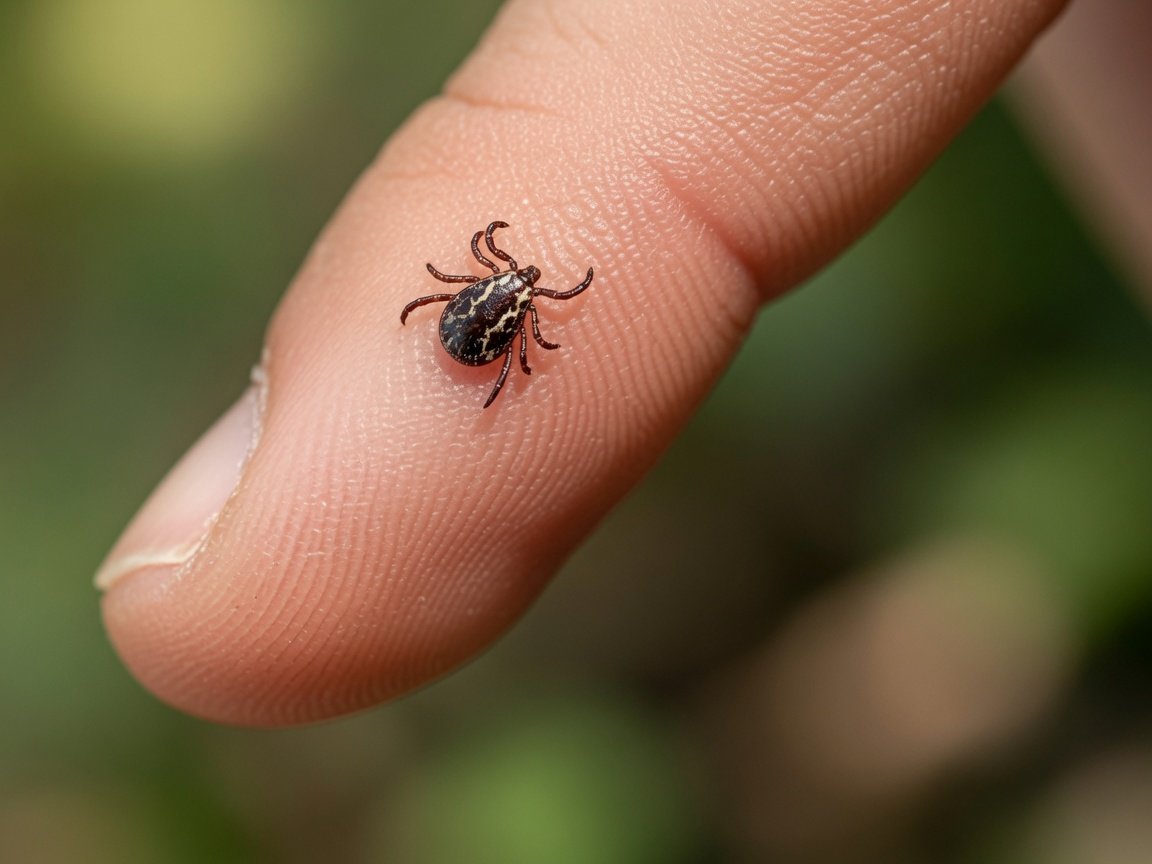
The Favorite Hiding Spots of Ticks: Why Your Garden Is Their Paradise
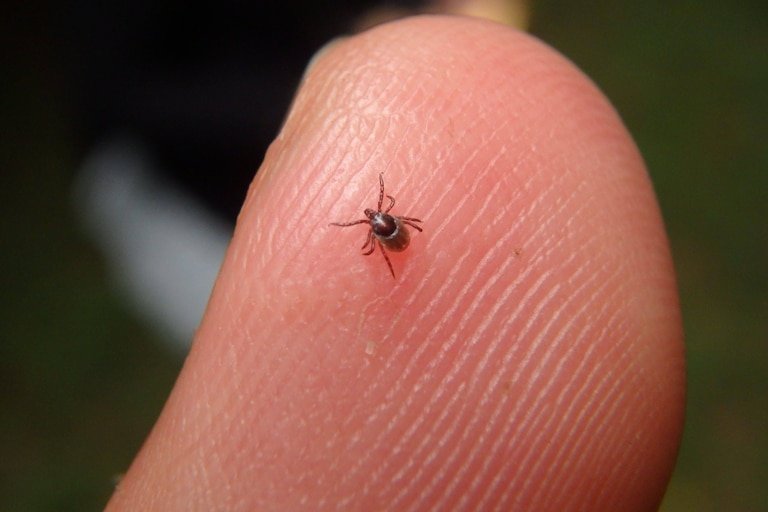
Ticks particularly favor damp, shaded, and poorly maintained areas. If you think your urban home environment keeps you safe, think again: these parasites are highly adaptable and can thrive in city settings as well. Here are the places they commonly find refuge:
- Tall grasses left uncut
- Neglected gardens, especially those accumulating stacks of wood or dead leaves
- Wooded parks, forests, and trail edges
- Spaces frequented by animals, whether domestic pets or wildlife
Once a target is spotted—be it you, your dog, or your cat—the tick silently attaches itself and seeks a soft, hidden area to settle: behind the ears, on the neck, under the armpits, or in the groin. Their discreet nature is formidable.
How to Prevent Ticks at Home: A Natural Action Plan
Fortunately, many simple, nature-friendly measures can drastically reduce their intrusion. Below are the essential steps to implement without delay:
Diligent Garden Maintenance
Regularly mowed lawns, well-trimmed hedges, removal of dead leaves, and eliminating poorly ventilated areas create effective barriers against ticks. Also, be sure to clear the surroundings of your house: avoid piles of wood or stones, which serve as excellent refuges for these parasites.

Wearing Appropriate Clothing During Outdoor Activities
When walking in both cultivated and wild areas, choose clothing that covers well: long pants, socks pulled over pant legs, and long-sleeved shirts. Light-colored clothing is essential as it makes spotting ticks easier before they have a chance to settle.
Protecting Your Pets Effectively
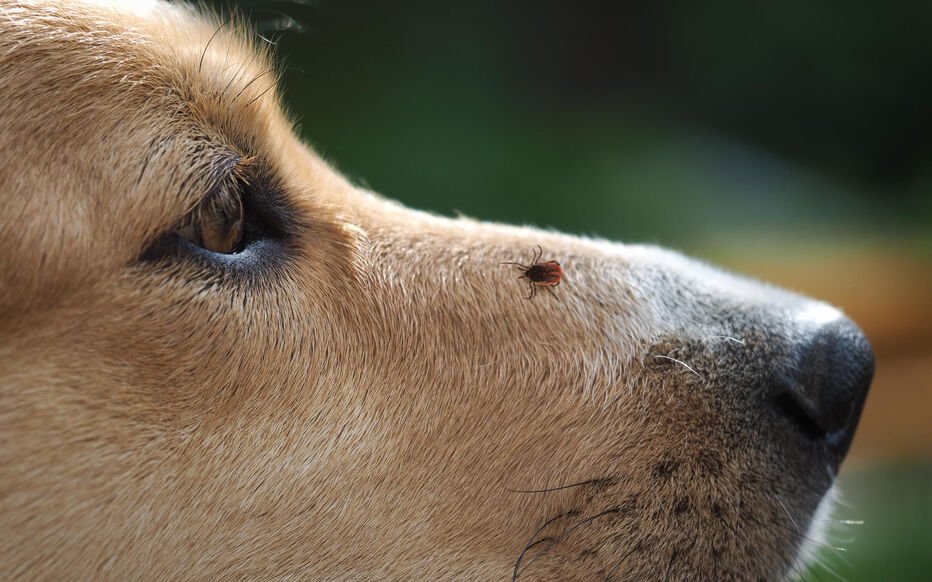
Dogs and cats are often prime targets for ticks, which love to settle in their fur. After every walk, brush them thoroughly, focusing especially on warm and hard-to-reach areas: behind the ears, between the paw pads, and under the legs. Several natural solutions are available, such as collars or antiparasitic pipettes made from gentle and suitable essential oils.
Using Repellent Plants to Cultivate or Diffuse

Certain plants naturally repel ticks with their scents. Besides beautifying your gardens or balconies, they act as a natural shield. Among the favorites are peppermint, rosemary, lavender, citronella, and tansy. You can also diffuse their essential oils, but only with caution, and never directly around children or animals without veterinary advice.
Preparing a Simple and Effective Homemade Natural Repellent
To make a natural repellent, mix in a spray bottle:
- 100 ml of apple cider vinegar
- 10 drops of lavender or lemon eucalyptus essential oil
- A little warm water
Shake well before use and spray on your clothing, shoes, and around entry points to your home. However, never apply this mixture directly to the skin or your pets without consulting a healthcare professional or veterinarian.
Finally, in case of a tick bite, remove the tick quickly using appropriate tweezers or a tick remover tool, without squeezing the insect or using irritating products. Monitor the bite area carefully for several days: if you notice unusual redness or symptoms, promptly seek medical advice.
