
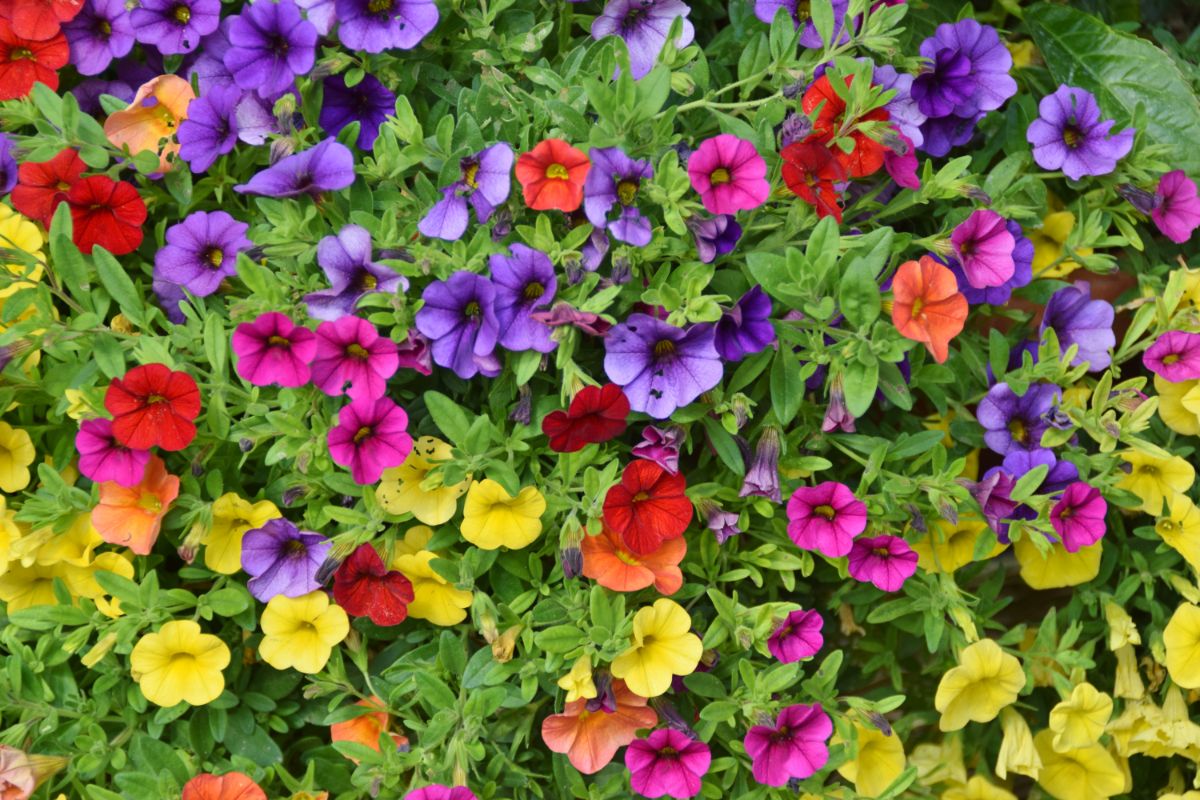
Petunias are colorful, versatile, and easy-to-grow flowers that add vibrant beauty to any garden or landscape. With their wide range of colors and patterns, petunias are a popular choice for both novice and experienced gardeners. Whether you want to enhance your garden beds, borders, hanging baskets, or containers, learning how to properly plant, grow, and care for petunias will ensure they thrive and provide you with stunning blooms throughout the growing season.
Choosing the Right Petunias:
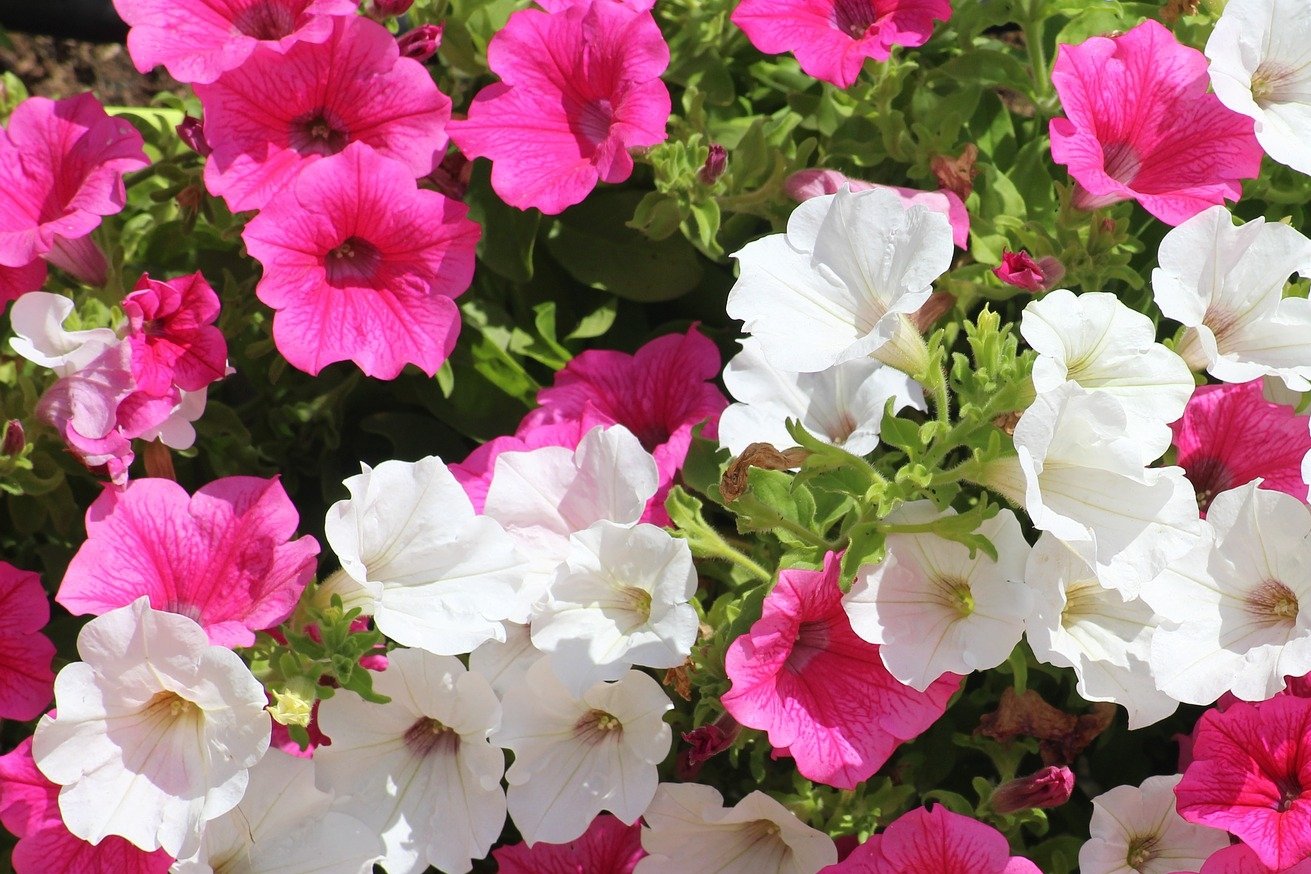
Before planting petunias, it’s essential to select the right variety for your specific needs. There are several types to choose from, including grandiflora, multiflora, milliflora, and spreading/trailing petunias. Each type differs in size, growth habit, and flower form. Consider factors like the available space, sunlight, and desired color palette when making your selection.
Planting Petunias:
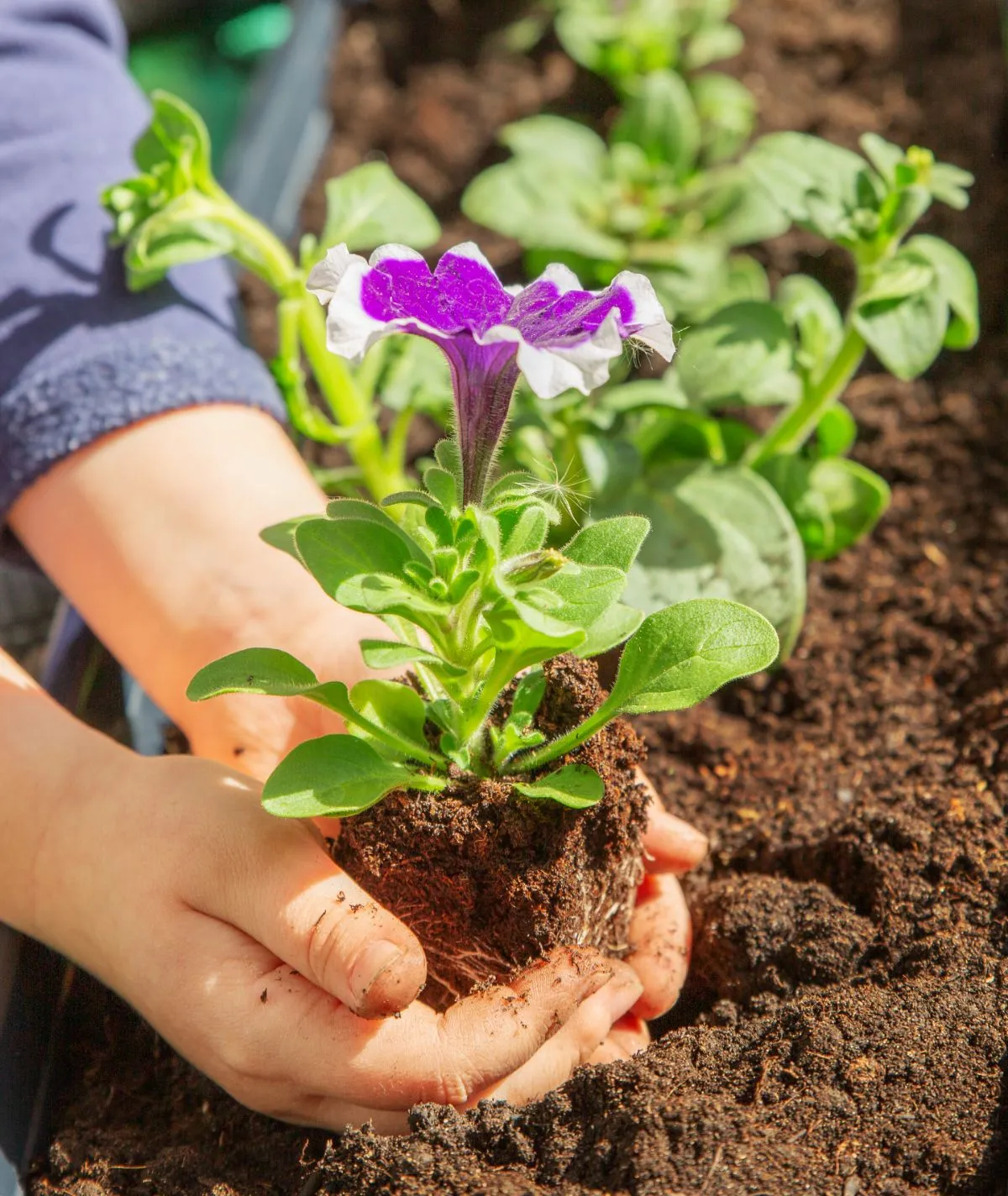
Petunias prefer full sun but can tolerate partial shade. Choose a location with well-draining soil to prevent waterlogging, which can lead to root rot. Plant petunias after the last frost date in your area when the soil has warmed up. Prepare the soil by removing any weeds and loosening it with a garden fork or tiller. Dig a hole that is slightly larger than the root ball of the petunia seedling and gently place it in, ensuring the top of the root ball is level with the soil surface. Space the plants according to the recommended distance, as overcrowding can hinder their growth.

Watering and Fertilizing:
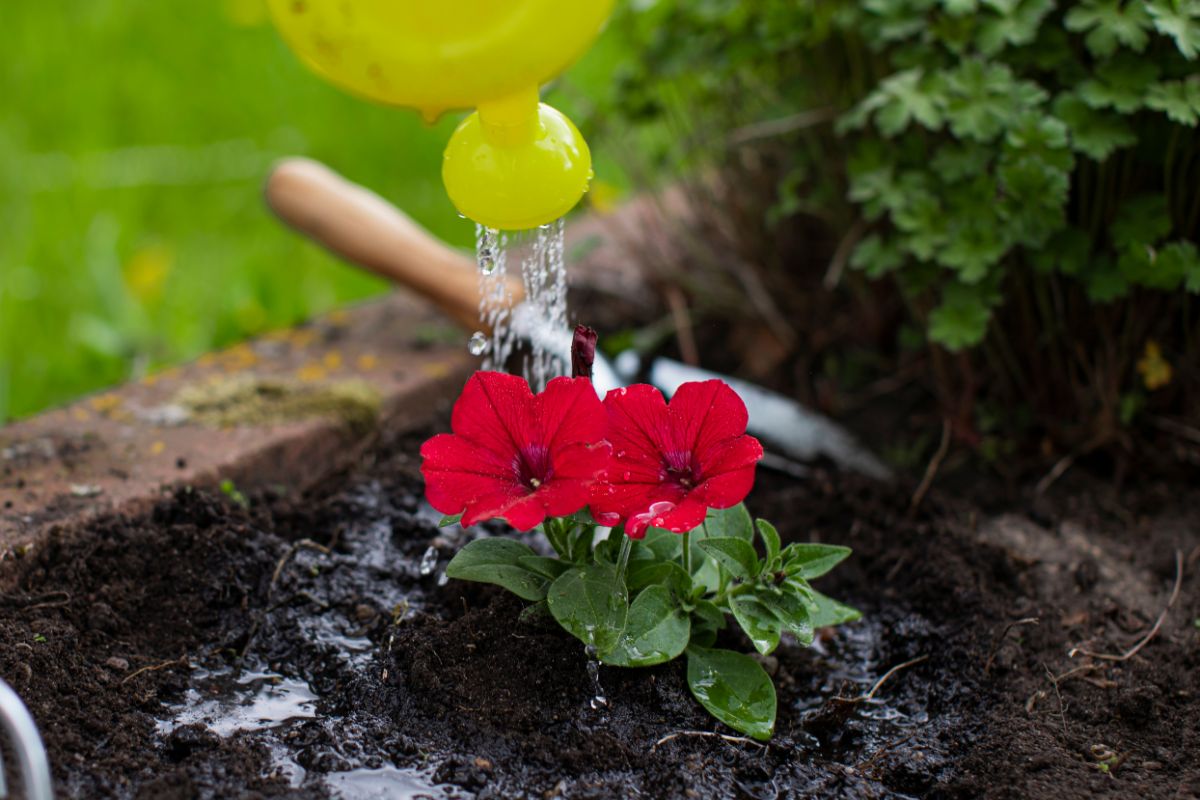
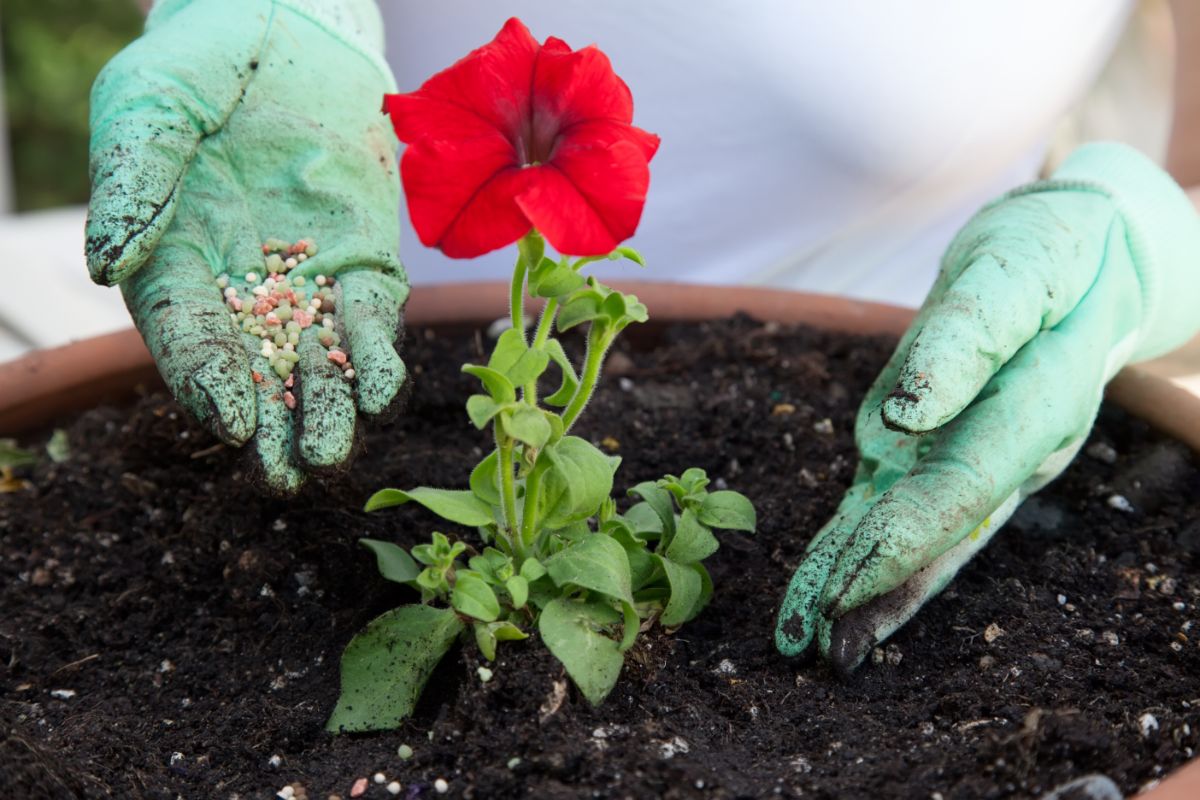
Petunias require consistent moisture, but they don’t like to be waterlogged. Water the plants deeply but infrequently, allowing the top inch of soil to dry between watering sessions. It’s best to water early in the day to prevent fungal diseases. When it comes to fertilization, petunias benefit from regular feeding. Apply a balanced, water-soluble fertilizer every two to three weeks or use a slow-release granular fertilizer according to the package instructions. Be cautious not to over-fertilize, as it can lead to excessive foliage growth with fewer blooms.
Pruning and Deadheading:
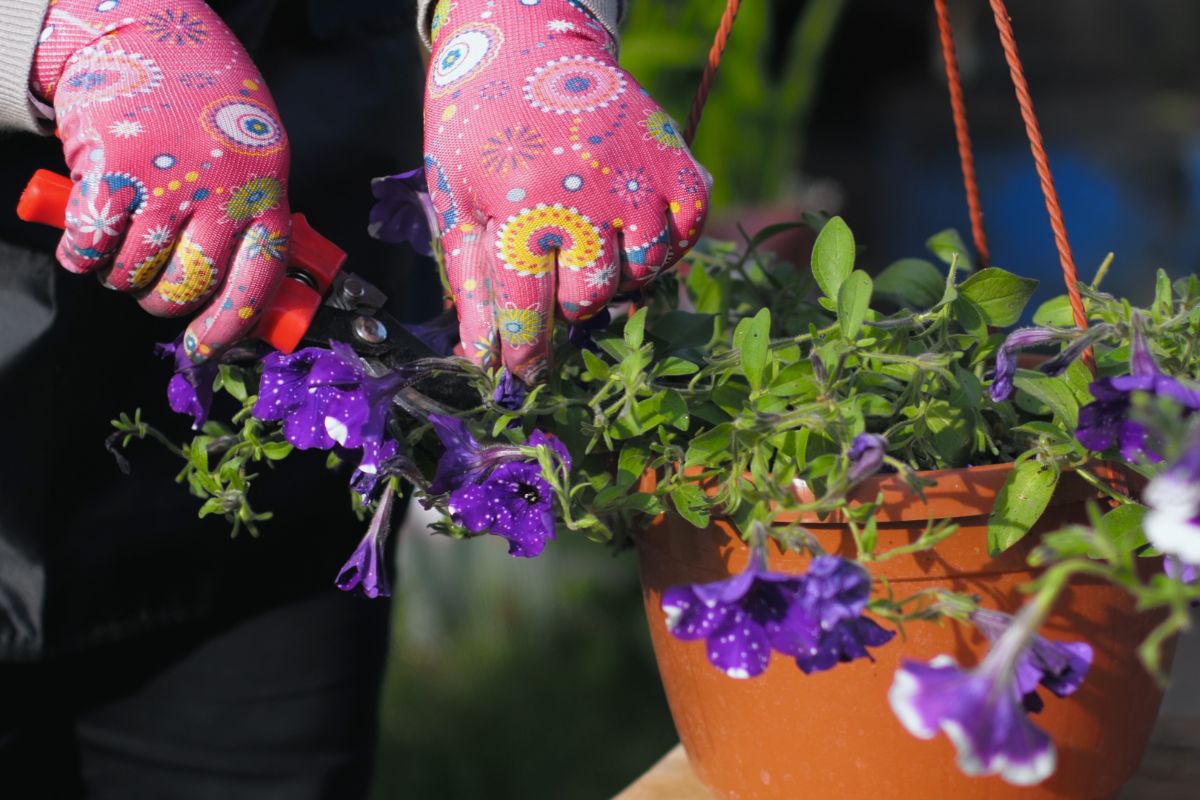
Regular pruning and deadheading are essential for maintaining healthy and blooming petunias. Pinch or trim back the plants by about one-third of their size when they reach 4 to 6 inches in height. This encourages bushier growth and more abundant blooms. Additionally, remove faded flowers (deadheading) regularly to promote continuous blooming and prevent seed production. Trim the stem just above a set of healthy leaves or buds.
Pest and Disease Management:
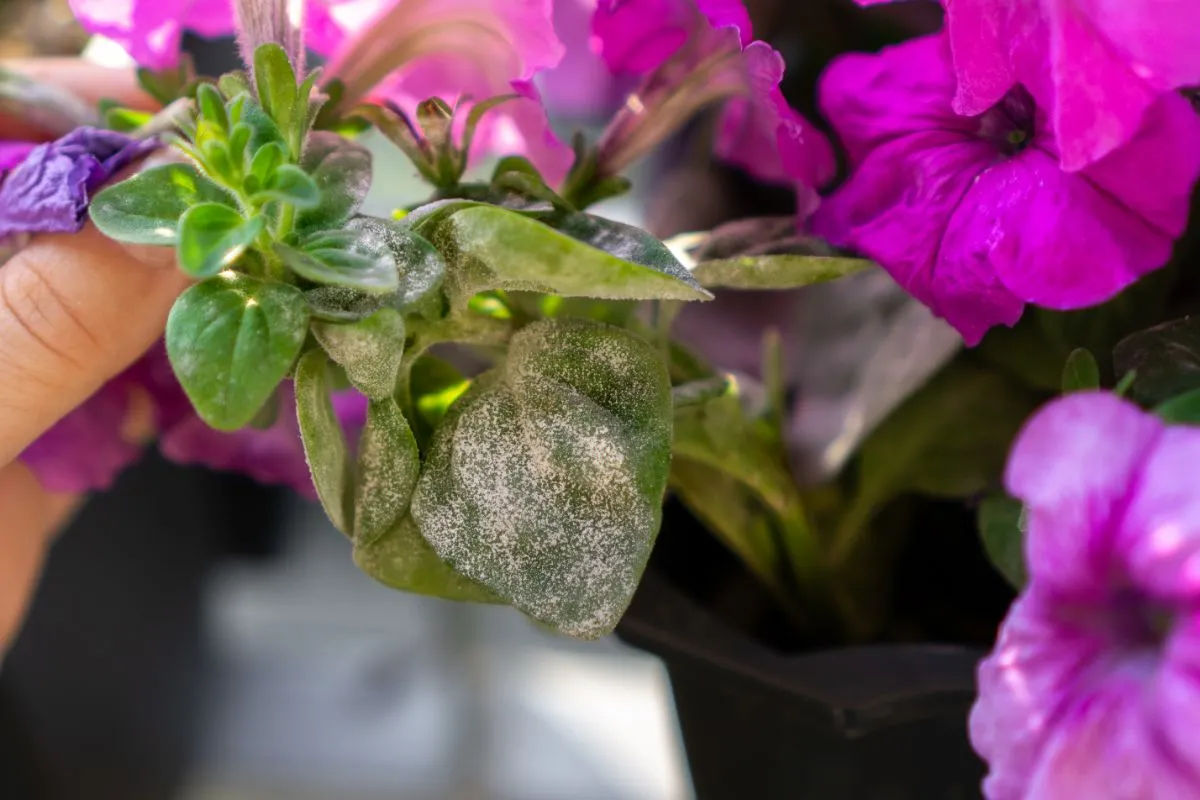
While petunias are generally hardy, they can sometimes face issues with pests and diseases. Common pests include aphids, slugs, snails, and budworms. Regularly inspect the plants for any signs of infestation and take appropriate measures like using insecticidal soaps or organic pest control methods. To prevent diseases such as powdery mildew or root rot, avoid overhead watering, provide adequate air circulation, and maintain proper spacing between plants.
Winter Care and Maintenance:
In regions with cold winters, petunias are often grown as annuals. However, in milder climates, they can be overwintered with proper care. Before the first frost, trim back the plants to a few inches above the ground. Apply a layer of mulch around the base to protect the roots from freezing temperatures. In spring, as the weather warms up, remove the mulch and provide regular care to encourage new growth.
With their stunning colors and delightful fragrance, petunias are a fantastic addition to anygarden or landscape. By following these guidelines for planting, growing, and caring for petunias, you can enjoy a season-long display of beautiful blooms. Remember to select the right variety, provide adequate sunlight and well-draining soil, water and fertilize appropriately, prune and deadhead regularly, and manage pests and diseases. With a little attention and care, your petunias will reward you with vibrant colors and breathtaking beauty throughout the growing season. So, roll up your sleeves, get your gardening tools ready, and start planting petunias to add a touch of elegance to your outdoor space!
