
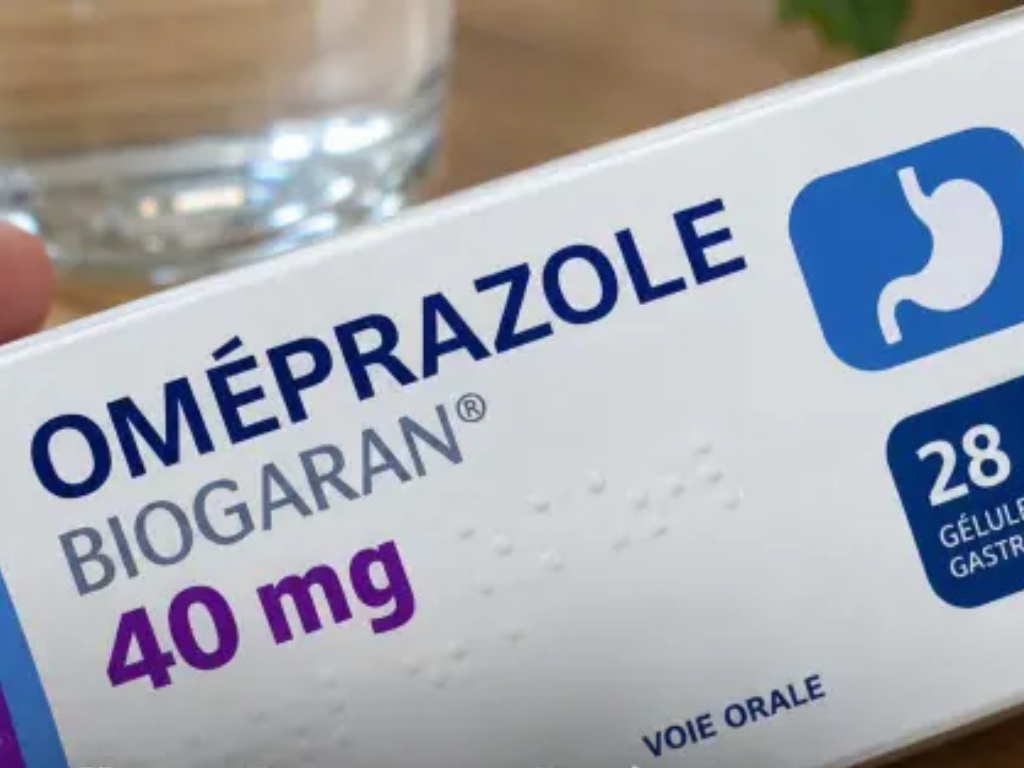
A Doctor’s Warnings and Confirmation from the HAS
In an article published in the Daily Mail, general practitioner Philippa Kaye raises a warning about the prolonged use of proton pump inhibitors (PPIs), a class of medications that includes omeprazole, lansoprazole, and esomeprazole. She cautions against potential risks that, beyond a certain duration, may outweigh the expected benefits: nutritional deficiencies, kidney fragility, among others.
Her perspective resonates in France, where the High Authority of Health (HAS) has recommended since 2022 limiting the duration of these treatments to four weeks for simple gastric reflux, except in particular medical cases that justify an extension.
The Issue Is Not the Medication Itself, But Its Prolonged Use
Before you consider eliminating omeprazole from your routine, take a step back. Pharmacist Aurélien Tesson stresses: “It is crucial not to suggest that omeprazole is a bad medication.”
Indeed, PPIs are highly effective. The problem arises when these treatments are indefinitely renewed, sometimes over several years, without re-evaluating their necessity. What was initially useful becomes an automatic habit, rarely questioned.
What Are the Risks Associated with Prolonged Use?
PPIs work by significantly reducing gastric acid production. It is precisely this mechanism that makes them effective. However, over the long term, this suppression can disrupt some essential digestive functions.

Research has established connections between prolonged use of these medications and deficiencies in vitamin B12 or magnesium, an increased risk of bone weakening, as well as potential effects on kidney function. Nevertheless, these observations must be tempered, as most are observational and do not establish a direct causal link between taking omeprazole and these complications. Therefore, there is no cause for alarm if you are currently under treatment.
Why Abruptly Stopping Can Be Dangerous
Suddenly stopping your treatment without medical supervision is not advisable. After prolonged use, the stomach may react with a “rebound effect,” temporarily producing more acid than usual, which could worsen the symptoms experienced. Gradual dose reduction under the supervision of a healthcare professional is always preferable.
Additionally, in certain situations such as severe reflux, esophagitis, or the simultaneous use of other treatments requiring gastric protection, PPIs remain essential. Stopping treatment in these cases would be a mistake that could lead to serious consequences.
The Essential Question to Ask at Your Next Medical Appointment
No need for panic, but it is crucial to ask a simple question at your next consultation or to your pharmacist: “Why am I still taking this proton pump inhibitor today?”
This approach is part of the deprescription process: it is not about discontinuing what is still necessary, but about avoiding indefinitely maintaining a treatment that has become unnecessary. This principle naturally applies to many other medications renewed without regular evaluation.
The key message is therefore not “stop omeprazole,” but rather “regularly question the real necessity of this treatment.”
Because the best prescription is always the one fully understood.
