
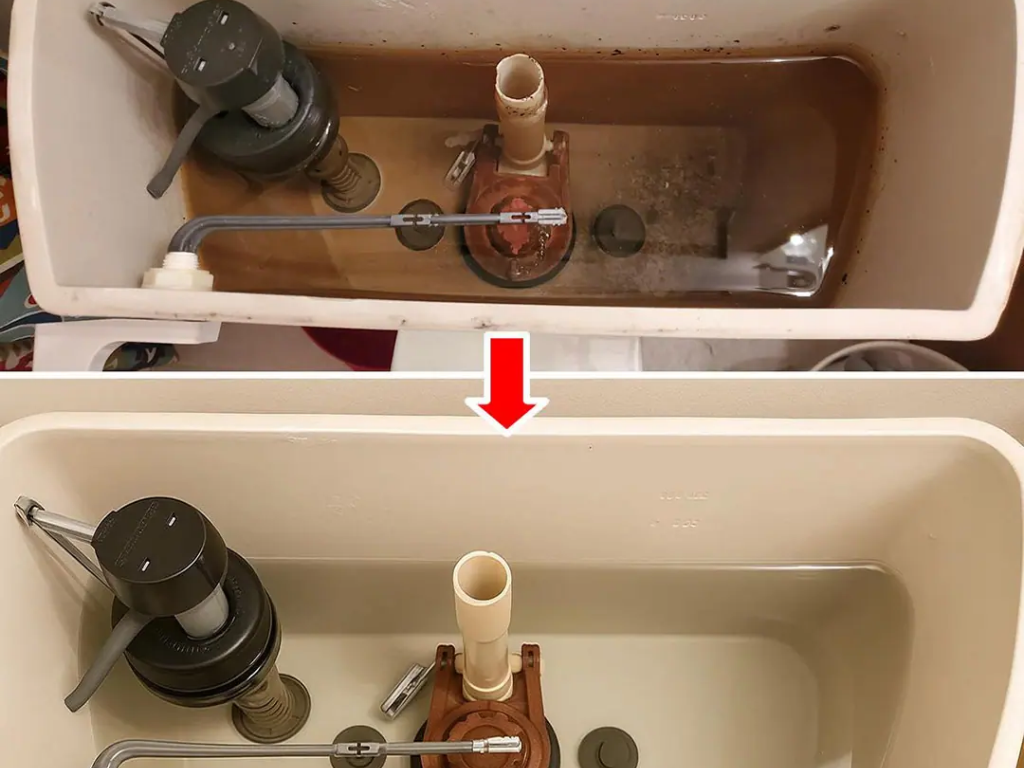
Why Cleaning Your Toilet Tank Is Essential
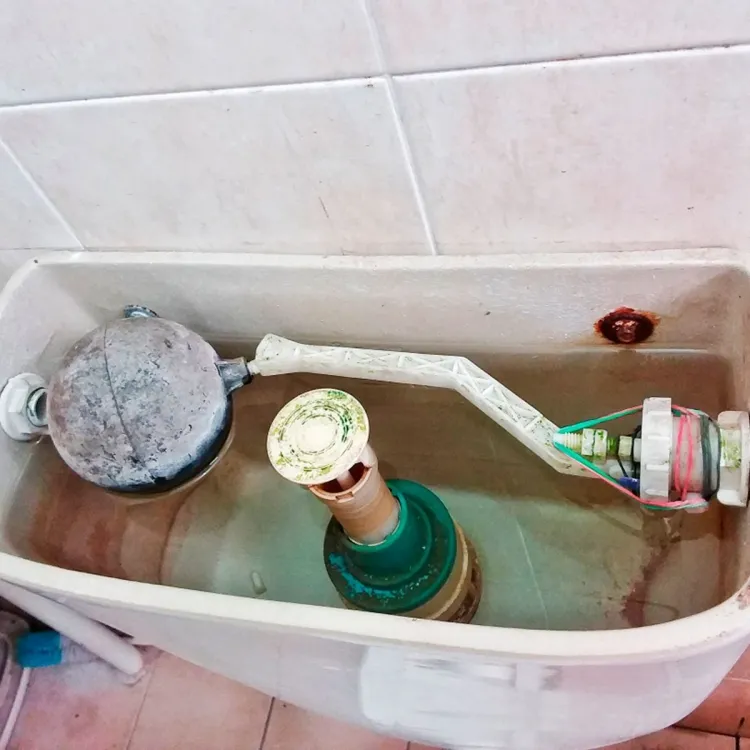
We often overlook this step since the tank remains closed and out of sight. However, the water that constantly sits inside eventually leaves whitish marks and creates an environment conducive to the buildup of deposits and humidity. These issues lead to noticeable inconveniences: the toilet can become noisier, the filling process takes longer, or water consumption increases without any obvious reason.
Regular cleaning prevents these nuisances, while also making your bathroom feel fresher and more hygienic. Rest assured, this task requires no special DIY skills; it is a simple, accessible action anyone can perform.
A Natural, Cost-Effective, and Easy Solution
You won’t need expensive or toxic products. The ingredients you require are often already in your kitchen. A simple bottle of white vinegar, a sponge, a clean brush, and a pair of gloves are enough to tackle even the most stubborn dirt.
White vinegar is the indispensable ally in this method: it effectively dissolves limescale while neutralizing unpleasant odors. This product is not only very economical but also gentle on your home and environmentally friendly.
Cleaning Your Toilet Tank: A Complete Step-by-Step Guide
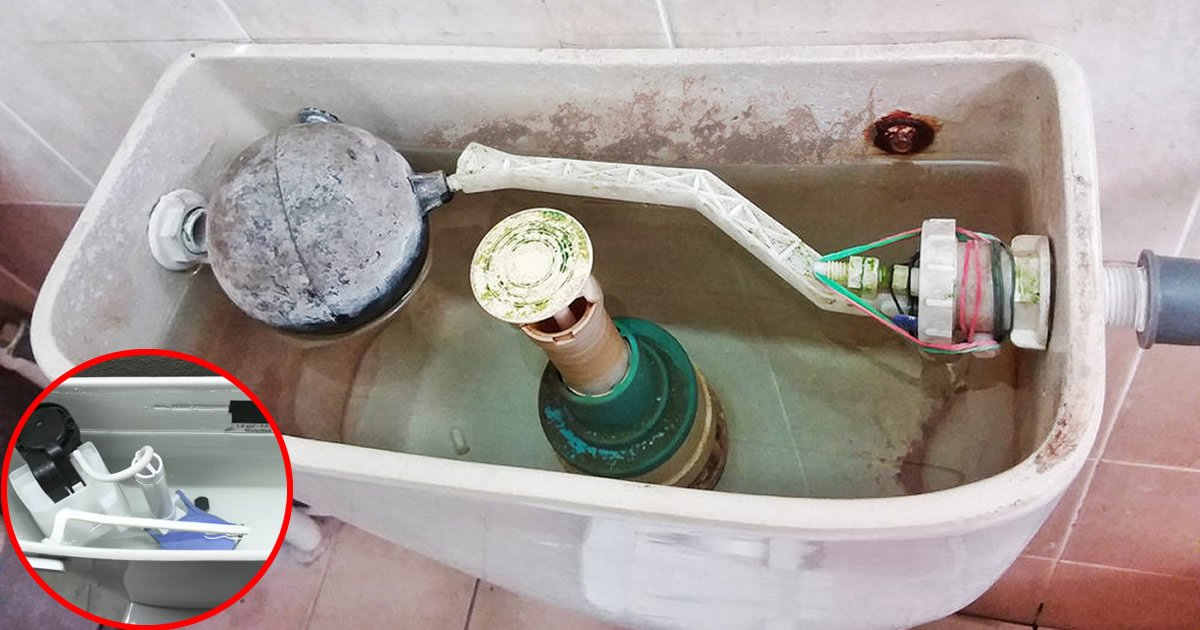
The first step is to access the tank. Begin by carefully lifting the lid, then turn off the water supply by closing the valve located near the toilet. Next, flush to empty the tank completely. It’s important to work on an empty tank for optimal cleaning.
Prepare Your Cleaning Solution.
Pour about 250 ml of white vinegar into a spray bottle. This will allow you to apply the product easily and evenly over all the surfaces to be treated.
Apply the Vinegar Generously.
Spray the vinegar over all the internal walls of the tank, including the water mechanism and the bottom. Let the product work for several hours, ideally an entire afternoon, so it penetrates deeply and breaks down limescale deposits.
Clean with a Sponge.
Once the vinegar has soaked in thoroughly, take a soft sponge and gently scrub the surfaces. This action helps to remove accumulated dirt and the whitish marks that develop over time.
Use a New Brush for Tough Areas.
To reach tight corners and areas where limescale is more persistent, a new brush will make the job easier. Thanks to the vinegar’s action, deposits come off much easier than with just simple rubbing.
Rinse Thoroughly and Refill.
Flush one last time to remove any remaining residue, then turn the water supply back on. The tank will refill cleanly, ensuring your toilet functions optimally.
Regular Maintenance Simplifies Daily Life
A perfectly clean tank not only makes your bathroom more pleasant to use but also benefits the toilet mechanism, keeping it well maintained. Water consumption becomes steadier, and unpleasant odors disappear completely.
Spending just a few minutes every few months on this simple task helps keep your sanitary system in ideal condition, guaranteeing a healthier home environment every day. Maintaining your interior with natural and accessible solutions is also adopting a reliable and beneficial routine for you and your family.
