
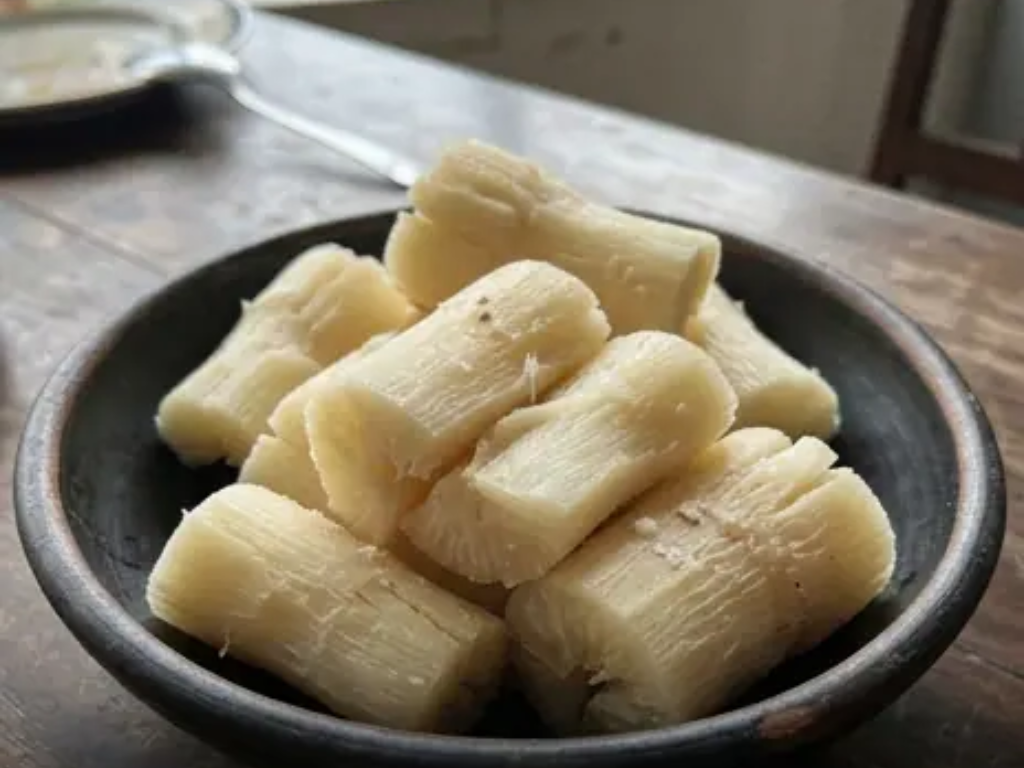
Present in the daily lives of nearly half a billion people around the world, cassava remains a root that is quite unknown outside its traditional growing regions. As a vital staple food for many communities, it also raises numerous questions. Behind its apparent simplicity lies a complex food, shaped by significant culinary, health, and social challenges.
An essential food source for millions of households
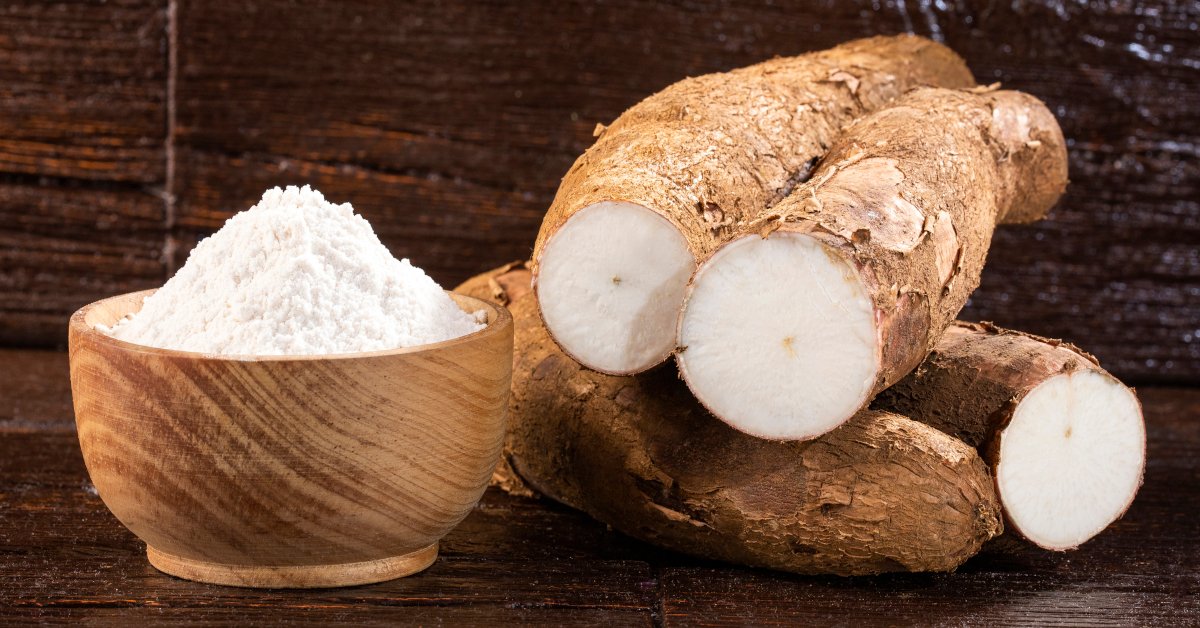
Cassava is mainly cultivated in Africa, Asia, and South America, where it is much more than just an ingredient. For many rural communities, it represents a true pillar of food security. Its cultivation is resilient: cassava adapts to poor soils and extended periods of drought, making it a reliable crop when others struggle to grow.
In certain parts of the world, cassava holds a central place in daily diets. Whether boiled, ground into flour, or incorporated into traditional recipes, it accompanies meals and spans generations, preserving its importance throughout time.
A naturally resilient plant… but one to handle with care
What many do not realize is that cassava secures its survival through a natural chemical mechanism. It contains cyanogenic glucosides, substances that, if not removed through proper preparation, can become toxic to the body.

This is not an inherently dangerous food: on the contrary, when properly processed, cassava is perfectly safe and nutritious. The main challenge lies in the preparation stages before consumption.
Preparation: an indispensable expertise
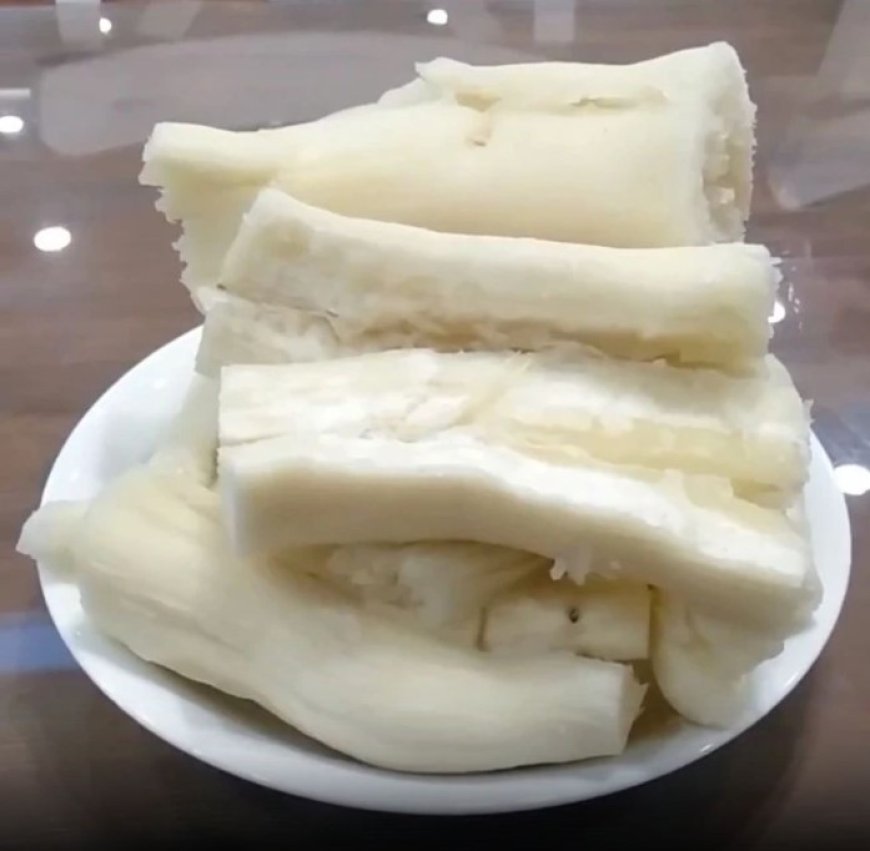
In many cultures, cassava is prepared following traditional methods passed down from generation to generation. Depending on the region, it may be peeled, soaked, fermented, dried, and then cooked for a long time. These steps are far from incidental: their purpose is to significantly reduce the presence of potentially harmful compounds and ensure food safety.
Key steps for properly preparing cassava:
Peeling
The outer skin, along with the thin layer immediately beneath it, are removed because they concentrate most of the naturally occurring toxic substances.
Cleaning
The roots are carefully washed with clean water to remove dirt and impurities.
Cutting
Cassava is cut into pieces to facilitate the subsequent phases and improve the elimination of cyanogenic glucosides.
Soaking or fermentation
Depending on traditions, the pieces are immersed in water for several hours to several days. This step is fundamental for breaking down the naturally present toxic substances.
Drying (optional depending on usage)
In some cases, after soaking or fermentation, cassava is exposed to sunlight for drying, which facilitates its preservation or transformation into flour.
Prolonged cooking
Finally, cassava is boiled, steamed, or incorporated into local preparations. This final step is imperative to ensure it can be consumed safely.
In practice, however, these steps can be shortened, often due to time constraints, economic pressures, or food emergency situations. This shortening of the processes consequently increases the risks associated with consumption.
When a staple food can become dangerous
Eating improperly prepared cassava can cause various health issues. In the mildest cases, digestive troubles, dizziness, or temporary weakness are observed.
But in more severe situations, especially when untreated cassava is consumed over a prolonged period, serious pathologies may occur. One example is konzo, a rare neurological disease that impairs mobility and coordination.
These conditions mostly affect already vulnerable populations, often deprived of an adequately diverse diet.
Better knowledge for safer consumption
Rather than being banned, cassava deserves to be better understood. The key lies in mastering proper culinary practices. When correctly processed, it becomes a safe food, rich in energy and perfectly suited to the dietary needs of many populations.
Public health programs and agricultural research initiatives are underway to simplify these preparation procedures, making them more accessible and effective without compromising consumer safety.
A story intertwined with traditions, survival, and balanced nutrition
Cassava tells far more than just the story of an edible root. It symbolizes the intimate link between culinary traditions, local economic realities, and public health challenges.
Each prepared root testifies to ancestral knowledge, adaptation to climatic conditions, and a concrete response to everyday challenges.
Its true role could therefore be summarized as this: to nourish despite difficulties, while reminding us that acquiring knowledge is just as essential as the food itself.
