

Sometimes, a simple song is enough to transcend decades without ever losing its emotional power. Released in 1960, He’ll Have to Go by Jim Reeves still resonates today with millions of listeners worldwide. Beneath its soft and captivating melody lies a rich story filled with tremendous success, a unique voice, and a musical legacy that endures. This song perfectly embodies the idea that a work of art can remain timeless.
A Voice That Defined a Generation
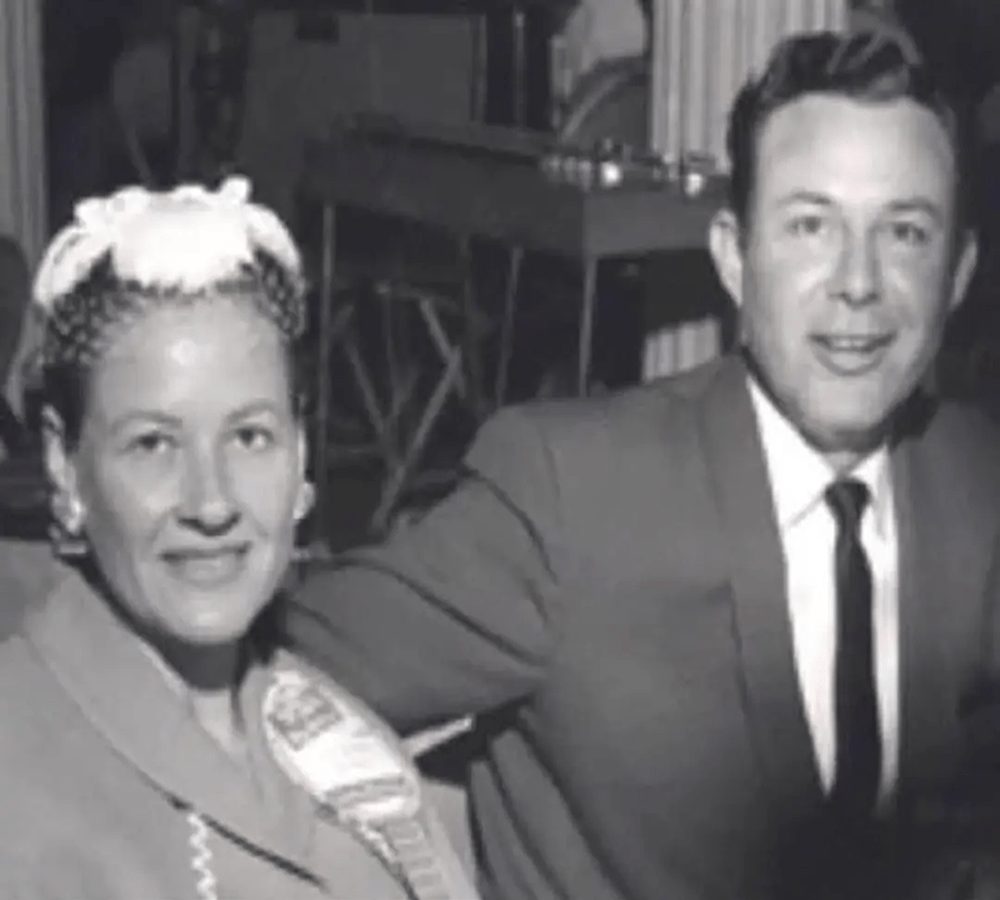
Jim Reeves’ triumph is primarily due to a voice that stands out unmistakably. Tender, warm, and flawlessly controlled, it managed to captivate audiences far beyond just traditional country music fans. Known as “the gentleman of country,” Jim Reeves brought a rare elegance to a genre often bound by strict conventions, paving the way for a sound that was both more accessible and deeply emotional.
However, it is not only his vocal technique that fascinates; it is above all the emotional weight carried by every note. Through his voice, listeners feel as if they are receiving a personal message, being directly touched. This ability to weave an immediate connection with the audience largely explains the extraordinary longevity of his music, which continues to be played with passion decades after its creation.
The Birth of a Universal and Timeless Hit
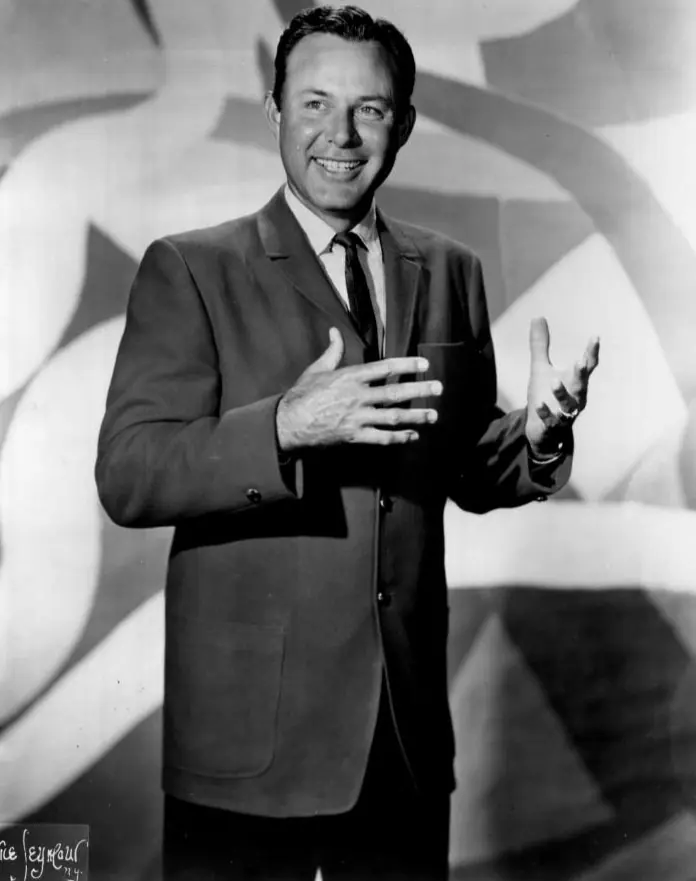

“He’ll Have to Go” sprang from an everyday scene transformed into an unforgettable musical moment. Written by Joe and Audrey Allison, the song evokes a phone conversation filled with softness and romantic modesty. This simple narrative immediately touched listeners who recognized themselves in the universal emotion expressed. Quickly, the song established itself as an immense hit.
The song’s influence soon crossed American borders. It entered international charts, winning over listeners with its simplicity and deep emotional intensity. At a time when music was rapidly evolving, this song managed to build a bridge across genres and generations, illustrating the universal talent of Jim Reeves.
This lasting popularity is also explained by the sincerity of the performance and the universal power of the love message it carries.
The Nashville Style: A Decisive Change
The producer Chet Atkins played a crucial role in the song’s success by delivering a stripped-down musical arrangement that became the hallmark of the famous Nashville sound. With light strings, a gentle rhythm, and minimalist production, Jim Reeves’ unique voice was delicately highlighted. This artistic choice revolutionized country music of the time by giving it a dimension that was both modern and universal, which immediately captivated audiences.
This pared-down style quickly influenced the entire music industry. Many artists adopted this subtler and more narrative approach, prioritizing emotion over flashy technicality. The “Nashville sound” became a globally recognized sonic signature, contributing to the lasting modernization of country music.
An Enduring Legacy

Even after his death in 1963, Jim Reeves continues to influence the international music scene. His emblematic song remains frequently played on the radio and covered by numerous artists, a testament to its profound and lasting impact. He significantly helped to open country music to a broader audience, inspiring multiple generations of singers. Today, his work is recognized as a cornerstone, symbolizing both pure emotion and musical elegance.
His influence is felt not only in contemporary country but also in pop music. Many musicians claim his legacy, whether through their singing style or their pursuit of emotional authenticity. Jim Reeves remains a timeless figure whose music continues to touch hearts with undiminished intensity.
One song, one voice, one emotion: elements that will never fade away.
