
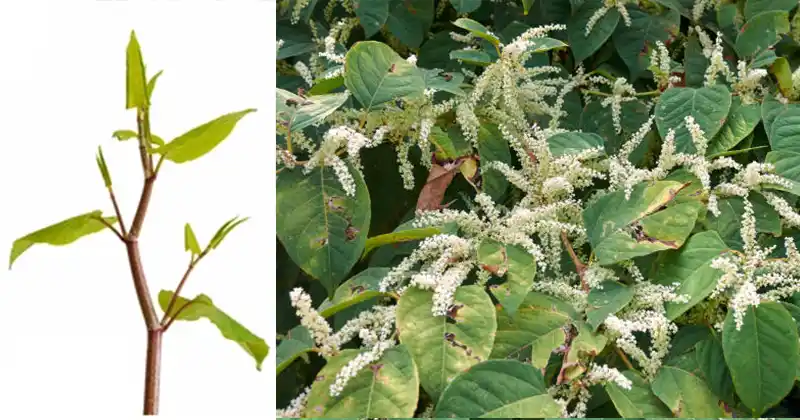
Japanese Knotweed (Reynoutria japonica) is often regarded as one of the most invasive plants worldwide. Its rapid growth enables it to colonize vast areas, sometimes causing damage to infrastructure and leading many regions to ban its planting and spread. However, beyond its problematic reputation, this resilient plant is rich in valuable medicinal properties that have been treasured for centuries in traditional herbal medicine.
Well-known for its high antioxidant content, particularly resveratrol, Japanese knotweed is attracting increasing interest in the field of natural health. Here, we offer a comprehensive overview of its health benefits, traditional uses, and important precautions to consider.
Health Benefits
Excellent Source of Resveratrol – This plant is among the best natural sources of resveratrol, an antioxidant widely recognized for its presence in red wine and its positive effects on heart health and longevity.
Cardiovascular Support – It promotes improved blood circulation, helps reduce cholesterol levels, and contributes to maintaining healthy blood pressure.
Anti-inflammatory Effects – Japanese knotweed can relieve joint pain, arthritic inflammation, and other inflammation-related conditions.

Immune System Strengthening – Its antioxidant and bioactive compound profile supports the enhancement of the body’s natural defenses.
Antibacterial and Antiviral Properties – Traditionally, it has been used to fight infections and protect against certain viruses.
Improvement of Digestive Health – It helps reduce gastrointestinal inflammations and supports proper digestive function.
Skin Care – Extracts from this plant are employed in natural cosmetics to promote wound healing and combat skin aging.
Neuroprotective Effects – Some research suggests that the resveratrol content may help preserve brain health and support memory functions.
Bone Strengthening – Its antioxidant and anti-inflammatory properties can contribute to maintaining strong bones.
Support for Lyme Disease (alternative use) – Japanese knotweed is often included in herbal protocols aimed at assisting Lyme disease management due to its antimicrobial and immunomodulatory virtues.
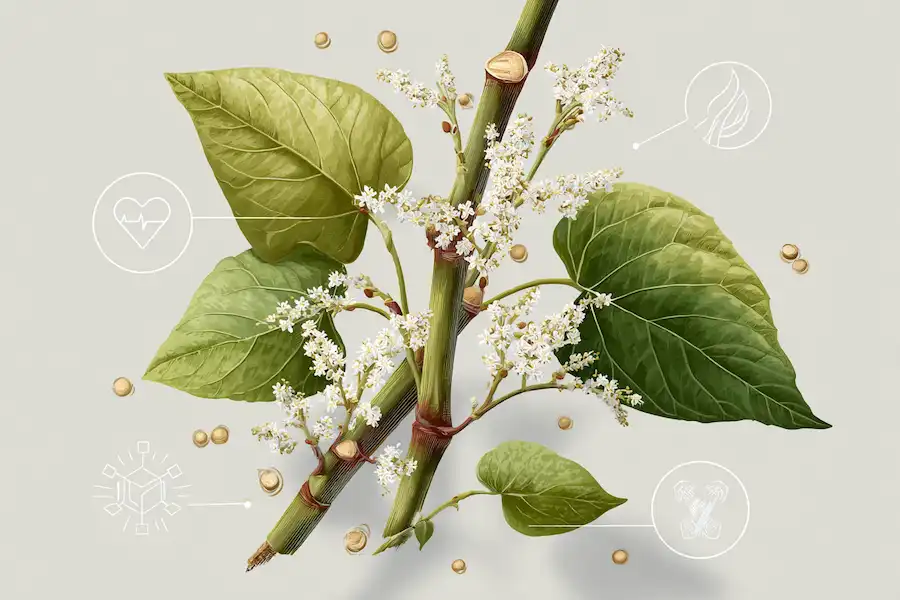
Traditional Uses and Homemade Remedies
Plant Infusion – Young shoots or roots can be dried and infused like tea, allowing one to benefit from their high antioxidant content.
Tinctures and Extracts – The roots are commonly used to produce hydroalcoholic extracts concentrated in resveratrol.
Powder Form – Dried roots ground into powder can be added in small amounts to smoothies or taken in capsule form.
Topical Applications – Used as poultices or creams, the plant is recognized for its benefits on skin irritations, wounds, and rashes.
Essential Precautions
Japanese knotweed spreads extremely rapidly and is illegal to plant or encourage in many regions due to its invasive nature.
Dietary supplements made from Japanese knotweed offer a safer alternative to harness its virtues without risking its uncontrolled spread.
Excessive consumption may interact with certain medications, especially blood thinners, since resveratrol affects blood coagulation.
It is crucial to consult a healthcare professional before using Japanese knotweed for therapeutic purposes.
Often seen as an unwanted plant, Japanese knotweed actually harbors impressive health benefits due to its high resveratrol content and multiple curative properties. From cardiovascular support to immune stimulation, this plant represents a valuable natural remedy when used with caution.
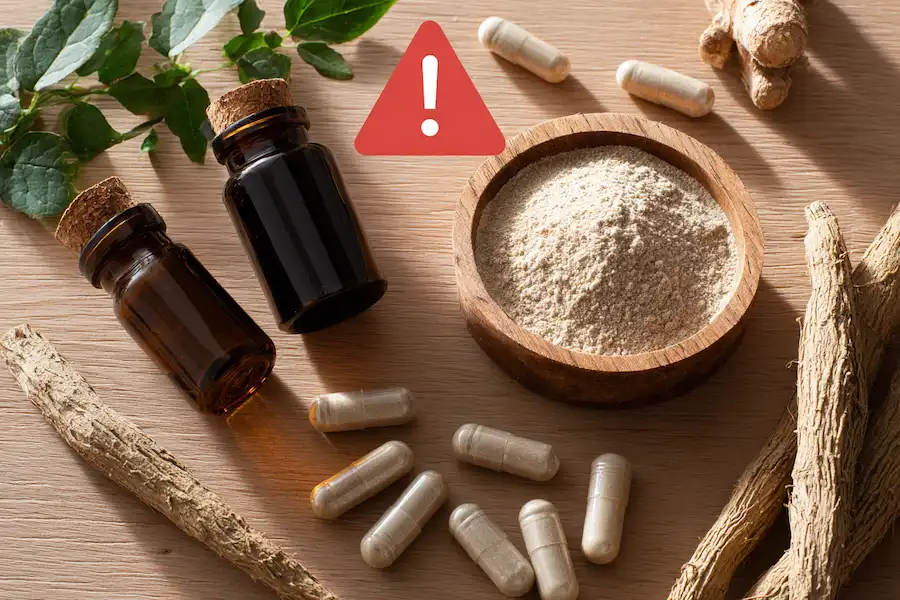
Warning: This article is for informational purposes only. Supplements and remedies containing Japanese knotweed should be used carefully, particularly if you are already taking medications. Always seek advice from a healthcare professional before beginning any herbal treatment.
Did you enjoy this article? Share it with your loved ones!
