
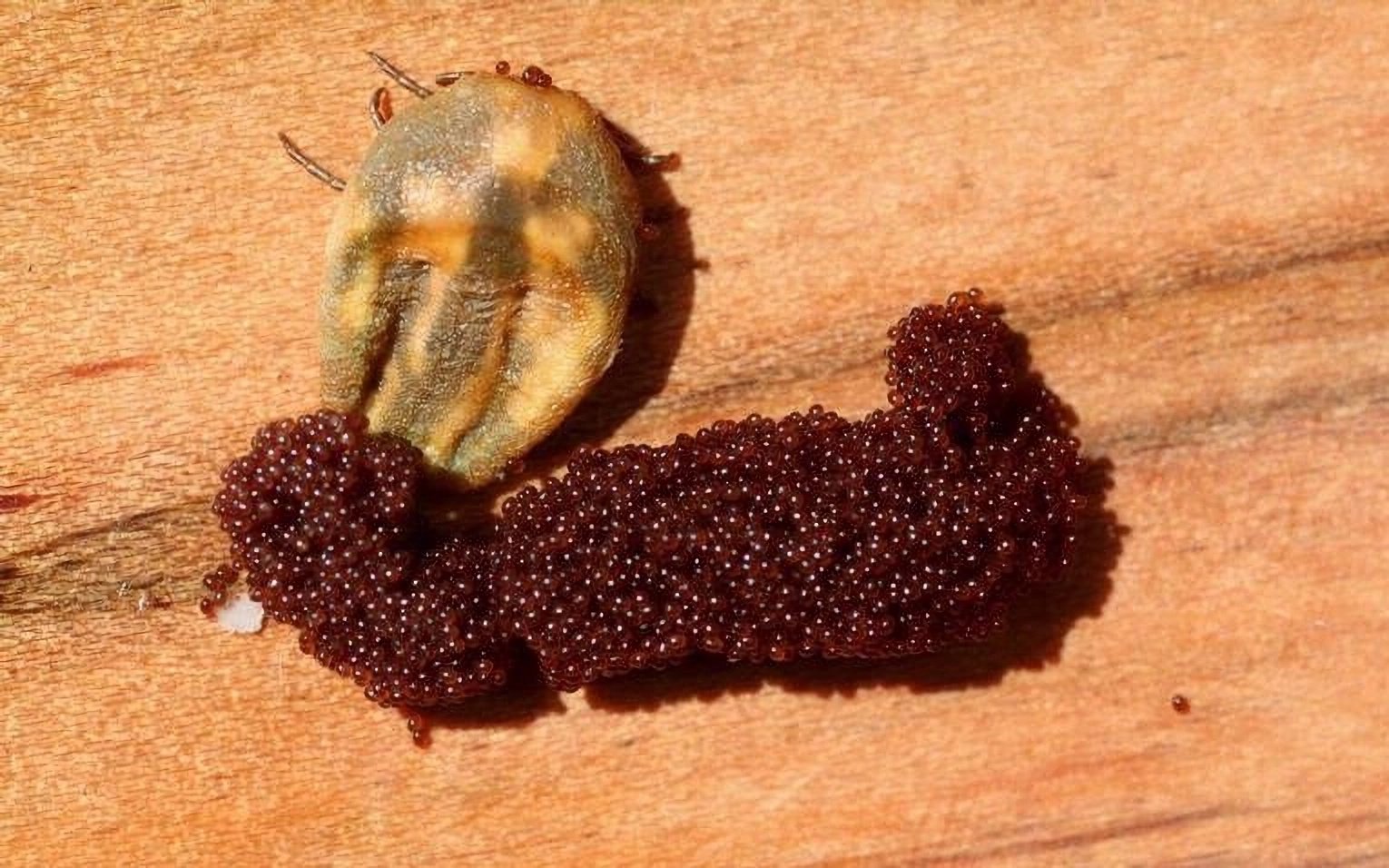
Imagine enjoying a carefree afternoon in your backyard, only to discover a tiny, unwelcome surprise – a cluster of tick eggs. These seemingly harmless specks pose a significant threat, as ticks can transmit a range of diseases like Lyme disease and Rocky Mountain Spotted Fever. But fear not! This comprehensive guide equips you with the knowledge and tools to effectively identify, handle, and prevent tick eggs in your yard, keeping your outdoor haven safe and enjoyable.
Identifying the Enemy: Recognizing Tick Eggs
The first step towards conquering tick eggs is proper identification. These miniature menaces are remarkably small, measuring roughly 0.5mm in diameter – akin to the size of a poppy seed. Their shape typically falls between oval and pear-shaped, with a translucent or slightly whitish appearance. The color may vary slightly depending on the tick species, potentially turning more opaque and taking on a color closer to the adult tick as they mature. Imagine tiny, smooth, and glossy pearls scattered near the ground, nestled amongst vegetation, leaf litter, or clinging to other surfaces. This is the telltale sign of a potential tick egg haven.

The Dangers Posed by Tick Eggs: Why Prevention is Crucial
While seemingly insignificant on their own, tick eggs hold the potential to hatch into disease-carrying larvae. These tiny hitchhikers can latch onto unsuspecting humans or pets, transmitting a range of illnesses. Lyme disease, characterized by fatigue, fever, and a bulls-eye rash, is a common concern in many regions. Rocky Mountain Spotted Fever can cause high fever, muscle pain, and a rash, highlighting the importance of proactive tick egg management.


Safely Removing and Disposing of Tick Eggs: When DIY Doesn’t Cut It
While the urge to tackle the problem head-on might be strong, it’s crucial to prioritize safety when dealing with suspected tick eggs. Due to their minute size and potential for misidentification, consulting a professional pest control expert or veterinarian is highly recommended. They can provide proper identification and crucial guidance on removal and tick control in general.

For Individual Tick Removal:
If you encounter a tick attached to your skin or pet, here’s a safe removal method: Utilize fine-tipped tweezers to firmly grasp the tick near its head or mouth. Gently pull it straight out without twisting or jerking, as this can detach the body from the head, leaving behind a potentially infectious part. Dispose of the tick securely in a sealed container filled with alcohol, or flush it down the toilet.
Guarding Your Yard: Effective Tick Egg Prevention Strategies
Now that you’ve tackled the immediate threat, let’s focus on creating a tick-free haven in your backyard. Here are a multitude of strategies to prevent tick eggs from establishing themselves in the first place:
Reduce Deer Appeal: Deer ticks, notorious carriers of Lyme disease, are attracted to specific plants. Remove plants like tulips, hostas, and azaleas from your landscape to make your yard less inviting to these disease-carrying creatures.

Introduce Tick-Repelling Plants: Embrace the power of nature’s defense system! Plant herbs like mint and rosemary, alongside flowers like chrysanthemums, which are known to deter ticks with their strong scents.
Maintain a Tidy Lawn: Ticks thrive in tall grass and overgrown areas. Regularly mow your lawn and keep brush and ground cover under control to eliminate potential tick habitats.
Manage Woodpiles and Debris: Like tiny vampires, ticks crave dark, moist environments. Store your firewood elevated off the ground and away from your house to disrupt their preferred breeding grounds.
Discourage Tick Hosts: Rodents like mice are common carriers of ticks. Maintain stone walls around your property and avoid bird feeders that might attract these furry hitchhikers.

Natural Tick Repellents: Explore the power of essential oils! Consider using cedarwood, neem, or citronella oil as natural tick repellents around your yard. Diatomaceous earth, a powder made from fossilized algae, can also be effective when used according to safety guidelines.
Tick Tubes: These innovative tools offer a non-spray solution to tick control. Tick tubes emit a scent that attracts and kills ticks, helping to prevent the spread of diseases.
Create Unwelcoming Terrain: Ticks struggle to navigate through rough textures. Consider using lava rock or pebble mulch in your garden beds to create an environment less hospitable to these unwanted guests.
Embrace Lawn-Free Zones: Incorporate hardscaping elements like patios or walkways into your yard design. This not only reduces tick habitat but also creates a low-maintenance outdoor space.
Insecticides (As a Last Resort): If a severe tick infestation persists, consider using insecticides as a last resort. Opt for synthetic pyrethroids or natural alternatives like cedar oil. Always prioritize
