
7 Common Small Black Insects Found at Home and How to Effectively Eliminate Them
Bed Bugs
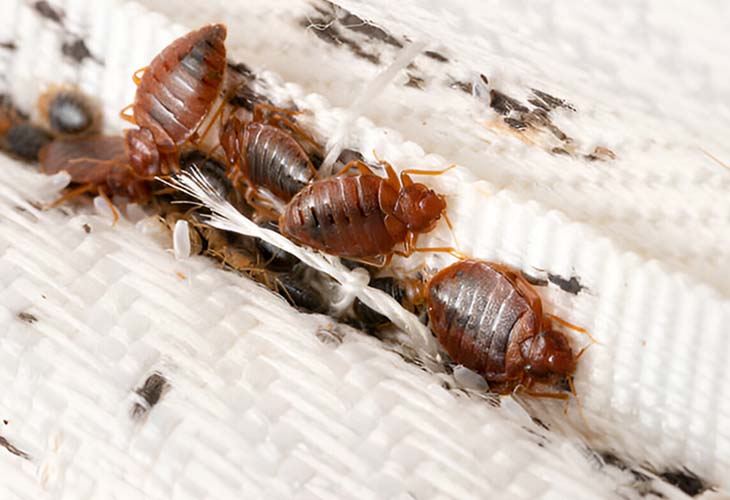
When an infestation becomes severe, it is advisable to call a professional, advises Danièle Odin, a cleaning expert. However, if you suspect these pests have crept into your home, several measures can help limit their spread.
How to Get Rid of Small Bed Bugs in the House?
Use Heat: a high-temperature washing cycle is very effective, explains Danièle Odin. Wash textiles and bedding in a washing machine at 60 °C for at least 30 minutes. For infested furniture, wrap them securely in plastic and expose them to direct sunlight as much as possible.
Use Cold: place fabrics in airtight bags and freeze them at -18 °C for at least 72 hours.
Restrict Bed Bugs’ Access to Food: although this alone might not always suffice, store food in airtight containers to reduce their sources of nourishment, the expert reminds.

Additional Information
A study by the National Agency for Food Safety indicates that exposure to 60 °C eliminates 100% of bed bugs in just 10 minutes.
Ants
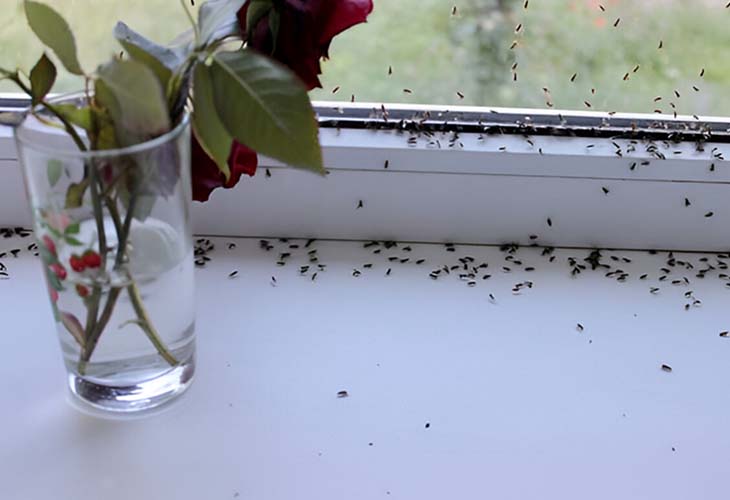
The small black insects often seen near windows can be ants. These insects have a body segmented into three parts, two antennae, and six legs. Some individuals from the garden wander in search of food, but a visible line usually means they are trying to establish a nest.
“They can bore into wood to lay eggs,” warns Danièle Odin. “Once established, they are very difficult to eradicate.”
What Should You Do?
To eliminate these ants, start by locating their nest near sources of food or moisture. Clean using a mixture of white vinegar and water or a blend of baking soda and sugar for a natural solution. If the infestation persists or the nest remains undiscovered, contact a professional. As prevention, seal cracks and keep the kitchen clean and crumb-free.
Dust Mites
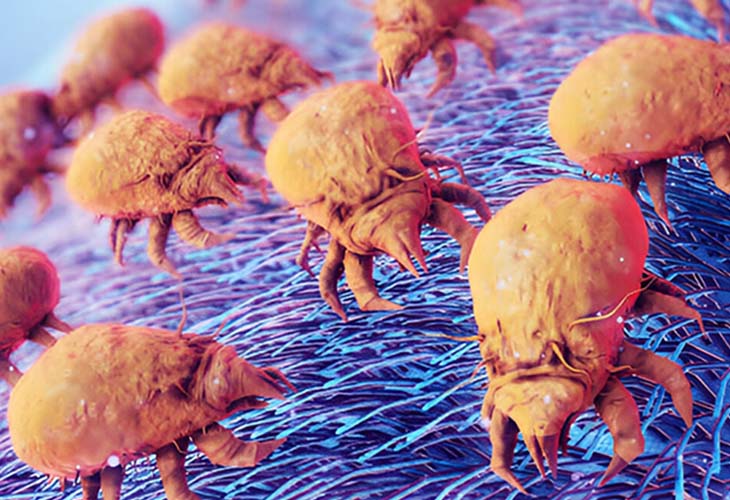
Dust often implies the presence of dust mites, attracted by human skin flakes. Although they do not bite, their droppings can worsen allergies and asthma.
“They thrive in humid environments and cluttered corners,” explains Danièle Odin.
Strategies to Eliminate Them
Wash bedding weekly.
Thoroughly vacuum mattresses and cover them with anti-mite housings.
Reduce humidity and ambient temperature.
Vacuum frequently and remove carpets if possible.
Limit items that can trap dust.
Beetles
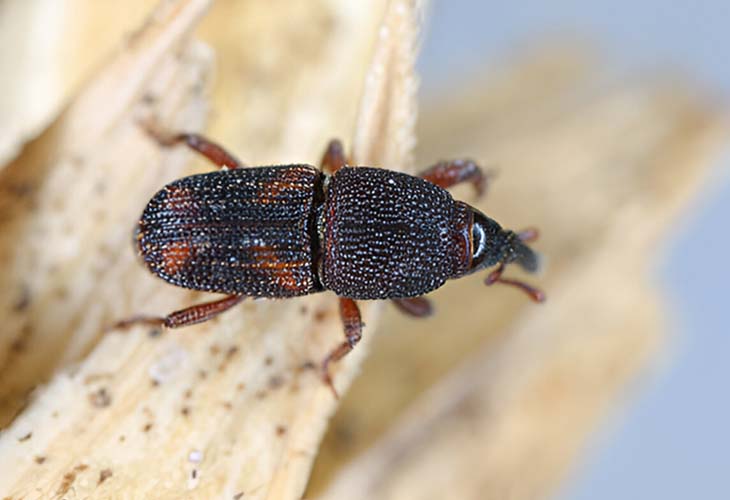
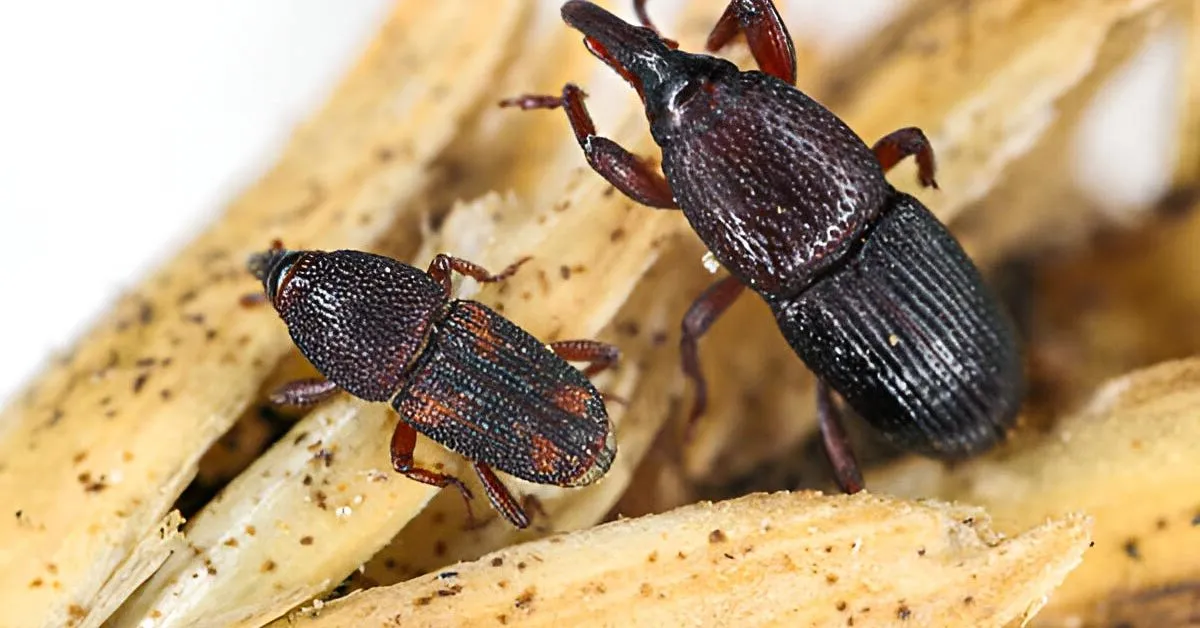
When small black beetles invade your home, they are often carpet beetles or weevils. Usually black or speckled, carpet beetles feed on hair, feathers, silk, wool, as well as cereals and spices. They settle around furniture, carpets, baseboards, and window sills.
“These insects favor warmth and humidity,” the expert explains. “Regular maintenance is critical to avoid them.”
How to Get Rid of Them?
Frequently vacuum the infested areas.
Spray white vinegar or sprinkle diatomaceous earth on carpets and furniture.
Intensify treatments during spring, their peak breeding season.
Note
Diatomaceous earth must be handled with care: wear gloves and avoid any contact with eyes to prevent irritation.
Fruit Flies
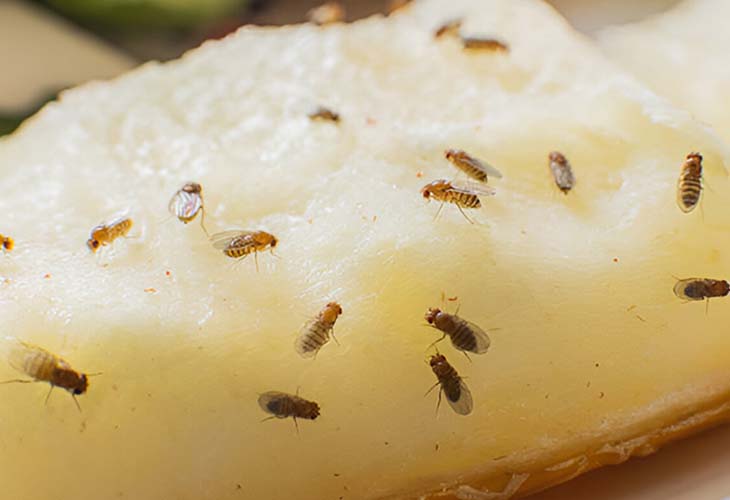
Fruit flies are attracted to overripe fruits, food scraps, and stagnant foam in the sink.
“They multiply rapidly if ignored,” warns Danièle Odin. “Daily cleaning helps reduce their presence.”
How to Eradicate Them?
Store fruits in the refrigerator, clean kitchen surfaces, and empty trash daily.
Regularly clean the sink trap.
Create a trap by mixing apple cider vinegar, warm water, and a drop of dish soap: the scent attracts the flies, which get trapped.
Additional Information
Dish soap reduces the surface tension of the vinegar, preventing flies from landing and flying away.
Booklice (Book Parasites)
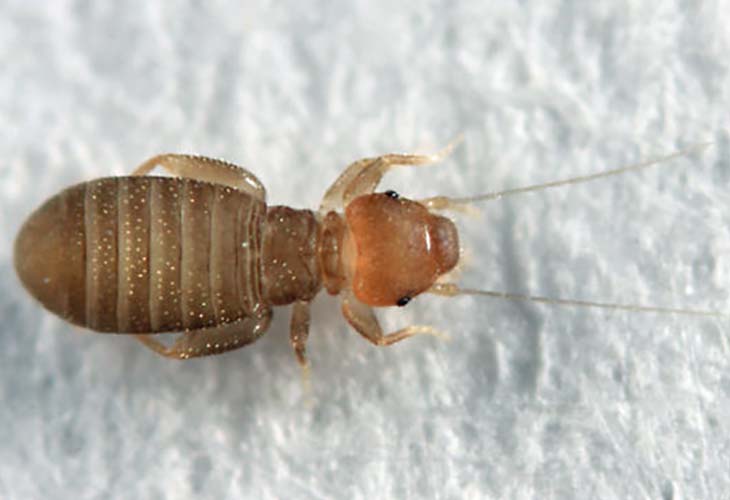
Although their name includes “lice,” these small translucent brown insects are unrelated to human lice and pose no risk to you or your pets. These tiny parasites feed on molds and fungi, preferring warm, humid environments such as window sills, shelves, and houseplants.
Their presence often signals excessive humidity, explains Danièle Odin. Reducing humidity helps prevent their appearance.
How to Get Rid of Them?
Use a dehumidifier and ensure proper insulation of your home.
During summer, run an air conditioner to lower humidity.
Clean window sills with a diluted bleach solution or an antifungal product.
Silverfish
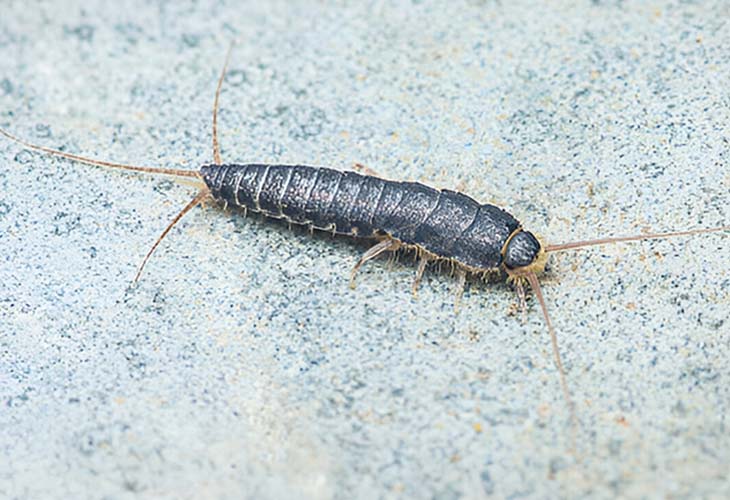
Silverfish and firebrats thrive in humid places offering food sources.
“They particularly favor damp, poorly ventilated corners,” says the expert. “The key is to dry out the infested areas.”
What to Do?
Use a dehumidifier.
Thoroughly clean surfaces and empty the vacuum outside.
Apply silica powder to absorb moisture.
Keep temperature below 16 °C to slow their reproduction.
Set sticky traps to catch these insects at night.
Additional Information
For optimal effectiveness, allow silica powder to act for at least 48 hours before cleaning the area.
Summary Table of Household Insects, Their Characteristics, and Infestation Areas
| Insect | Color | Food Source | Infestation Area |
|---|---|---|---|
| Bed Bugs | Brown/black | Blood | Mattresses, furniture, cracks |
| Ants | Black | Food scraps, wood | Near windows, walls, hidden nests |
| Dust Mites | Colorless/light brown | Skin flakes, dust | Mattresses, carpets, dusty environments |
| Weevils | Brown/black | Cereals, grains, dry food | Pantry, kitchen, cupboards |
| Fruit Flies | Black | Ripe fruits, food residues | Kitchen, sink, trash cans |
| Booklice | Translucent brown | Molds, fungi | Window sills, shelves, houseplants |
| Silverfish | Silvery | Starch residues and organic matter | Humid places, cracks, papers |
How to Keep Small Black Insects Away from Your Home Long-Term?
Regular maintenance of areas around windows greatly reduces the presence of these small black insects on the sills.
“They are often attracted by humidity and food residues,” emphasizes Danièle Odin. “It is important to keep these areas clean and dry to prevent any infestation.”
Store food in a cool, dry, airtight place.
Regularly vacuum the areas around windows to remove dust and debris.
Clean window sills with a diluted bleach solution to eliminate molds and bacteria.
Danièle Odin’s Recommendations, Cleaning Specialist
“Clean the work surfaces after every preparation and store food in airtight containers.”
“Remove unnecessary items that could provide shelter for insects.”
“Repair window and door screens if damaged.”
“Never leave dirty dishes in the sink.”
“Empty trash bins regularly to avoid accumulation.”
“Clear the foundations of your home by removing vegetation that might attract pests.”
