
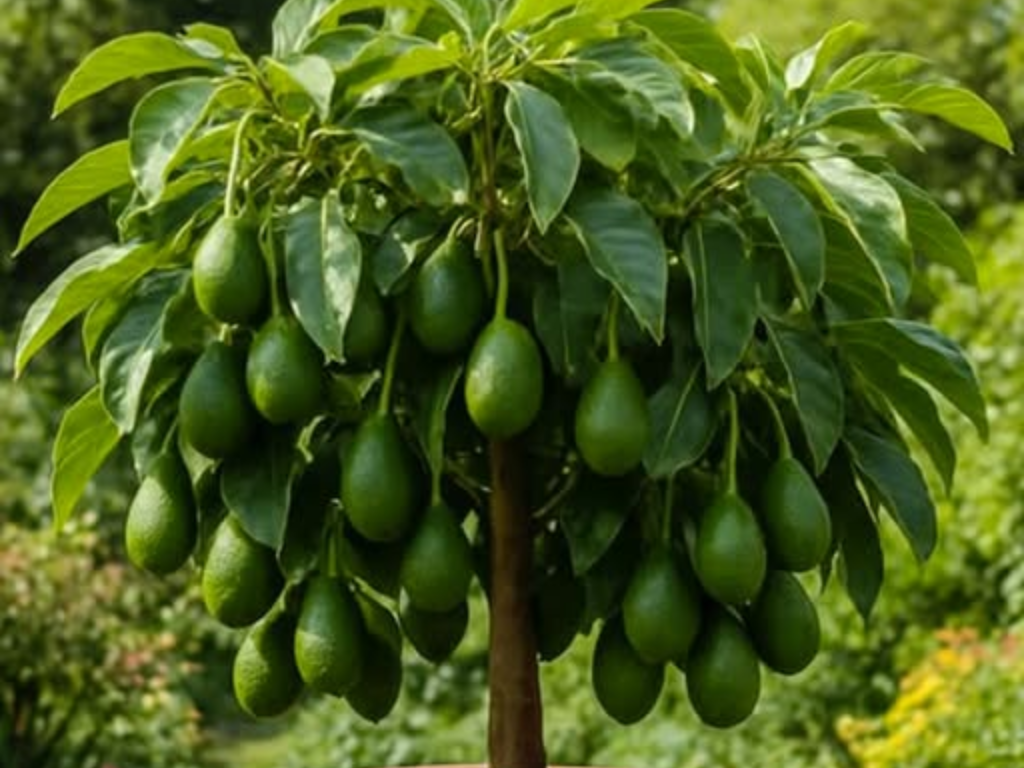
Choose a Variety Suited for Small Spaces
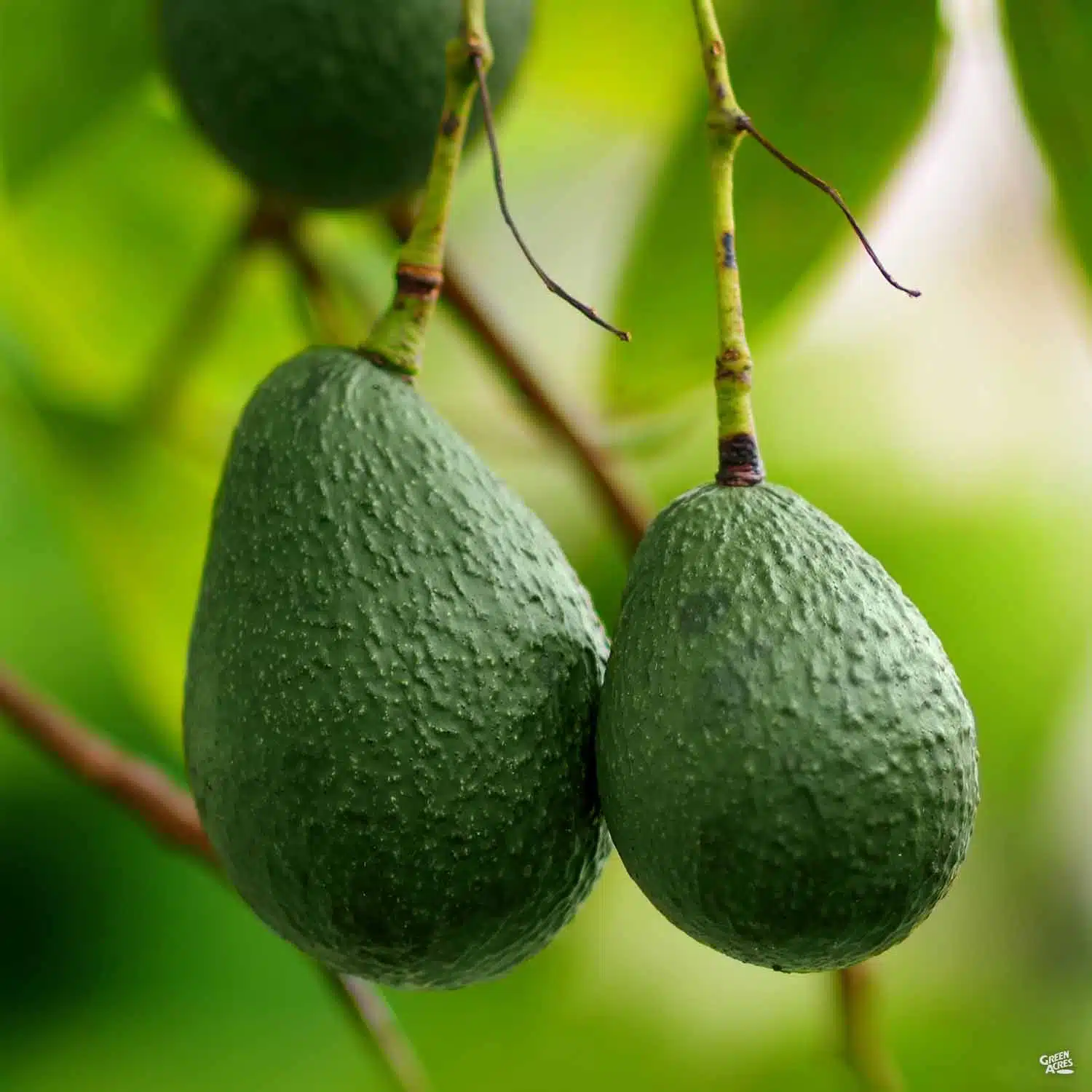
Not all avocado trees are suitable for container growing. To avoid ending up with a giant tree that is difficult to manage, opt for dwarf varieties such as the “Wurtz” (also known as “Little Cado”). This cultivar remains modest in size while still producing delicious fruits. If you live in a cooler climate, consider varieties like “Bacon” or “Zutano”, which are known for their better tolerance to lower temperatures.
Select an Appropriate and High-Quality Pot
The choice of container is crucial to ensure the health of your potted avocado tree. Start with a pot approximately 40 to 50 cm in diameter, equipped with drainage holes for effective water release. Since your tree will grow over time, you will need to repot it into larger containers eventually. For the pot material, prefer terracotta or ceramic, as these allow roots to breathe while maintaining good moisture levels. It is best to avoid thin plastic pots which retain heat and dry out the substrate quickly.
A Light and Well-Drained Substrate: The Key to Healthy Growth
Avocado roots dislike stagnant water accumulation. To create an ideal growing medium, prepare a homemade substrate by combining one-third universal potting soil, one-third sand, and one-third perlite or pumice stone. This blend ensures a light, airy soil perfectly suited for the harmonious development of your plant.
Watering: Neither Too Little nor Too Much
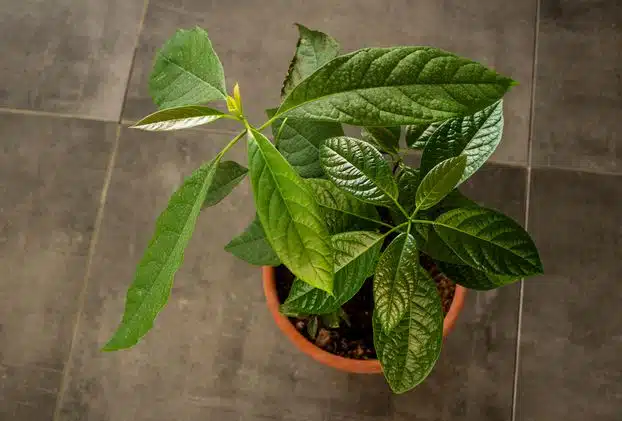
Watering requires precision. Wait until the surface of the substrate is dry before watering again. Generally, watering once or twice a week during summer is sufficient, while watering should be reduced in winter. Above all, avoid leaving stagnant water in the saucer beneath the pot, as this would cause root rot.
Provide a Sunny Location
The avocado tree thrives best under prolonged exposure to light. Place it in a well-lit area, ideally where it receives 6 to 8 hours of direct sunlight daily. Indoors, choose a south-facing window if possible. When days are less bright, a horticultural lamp can be an excellent solution to compensate for the lack of natural sunlight.
Use a Suitable Fertilizer to Stimulate Growth
In spring and summer, remember to feed your avocado tree by applying a balanced fertilizer approximately every 4 to 6 weeks. Fertilizer formulas such as 6-6-6 or 8-3-9 are ideal. In autumn and winter, reduce the frequency of applications. Excess fertilizer can be harmful, so it is essential to follow the recommended dosages carefully.
Pruning: An Essential Care to Control Growth
To prevent your avocado tree from becoming too bulky, light pruning is necessary. It is best done just after winter, removing dead or overly crowded branches. A properly ventilated tree promotes better fruiting and a balanced form.
Protect Your Tree from Pests
If you notice sticky leaves or the visible presence of small insects, stay calm. A simple treatment with diluted black soap or neem oil is often enough to eliminate pests. Regularly check your avocado tree because prevention of infestations is always preferable to having to treat them.
Grafting: A Technique to Accelerate Production
If you want to harvest fruits more quickly and of better quality, grafting can be a good option. This technique involves grafting a branch from an already productive avocado tree onto your tree. Although it requires some skill, it proves very effective in stimulating fruitful production.
Provide Warmth and Humidity for Its Comfort
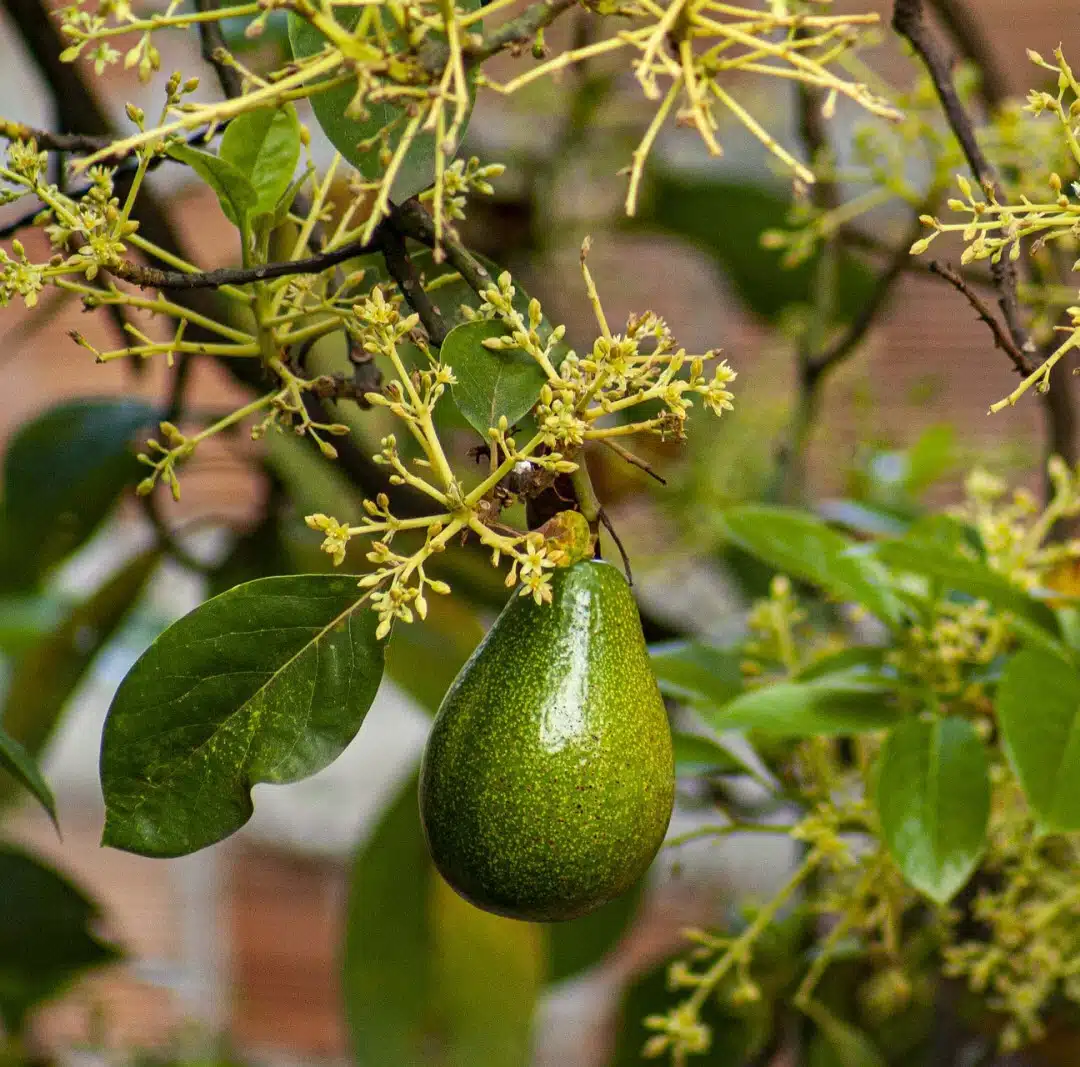
The avocado tree appreciates temperatures ranging from 15 to 29 °C (59 to 84 °F) as well as a slightly humid atmosphere. In winter, when grown indoors, you can place a small humidifier or a bowl of water nearby to counteract the dryness caused by domestic heating.
