
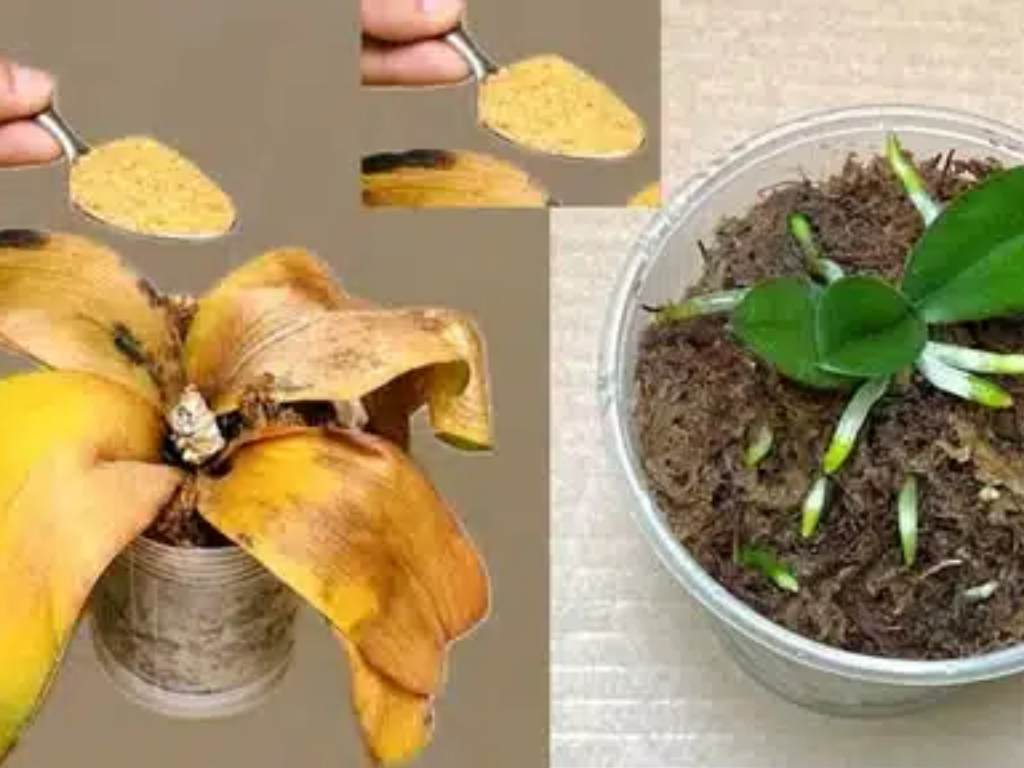
Why Does Your Orchid Seem to Be Wilting?
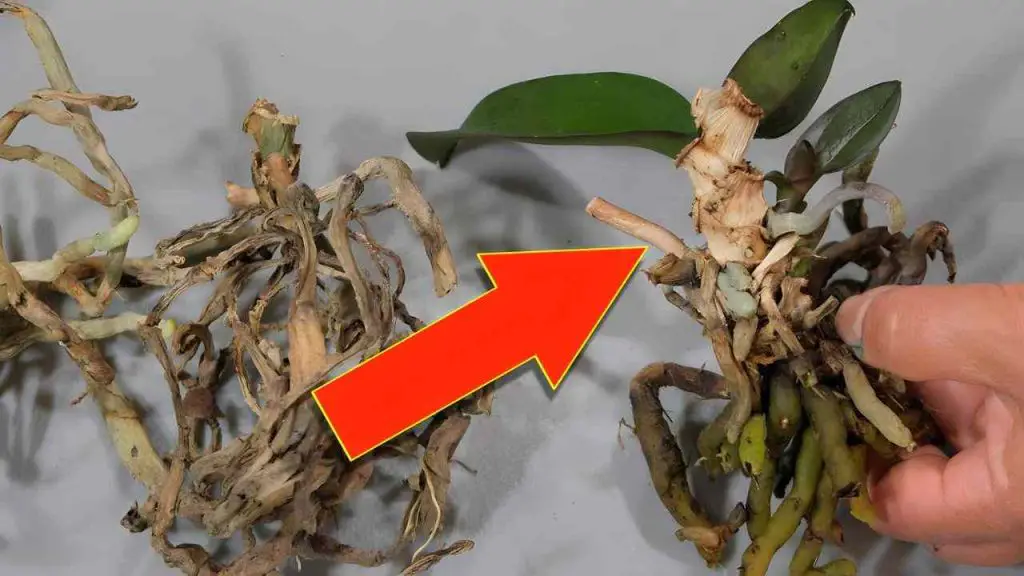
Before concluding that your orchid is beyond saving, it is crucial to understand the reasons behind its signs of decline. In their natural habitat, these exotic plants grow by attaching themselves to tree trunks, absorbing moisture from the surrounding air. Indoors, improper care can disturb this delicate balance. Excessive watering, insufficient light, or an unsuitable growing medium can weaken your plant to the point where it looks almost unrecognizable. However, rest assured: all is not lost!
How to Recognize If an Orchid Is Still Alive?
Do not judge your orchid solely by the wilted appearance of its leaves. Here are the elements you should carefully observe:
- The roots: if they are firm and light green or white, your orchid is still alive. Conversely, if they are soft and brownish, they are rotten and must be removed.
- The stem, or pseudobulb: if it remains firm and not hollow, it indicates that the plant still has a chance to survive.
- Dormant buds: often invisible to the naked eye, these buds can awaken if the environment becomes favorable.
If you detect these signs of life, follow the steps below to give your orchid a second chance!
How to Revive a Weakened Orchid?
1. Remove Dead Parts
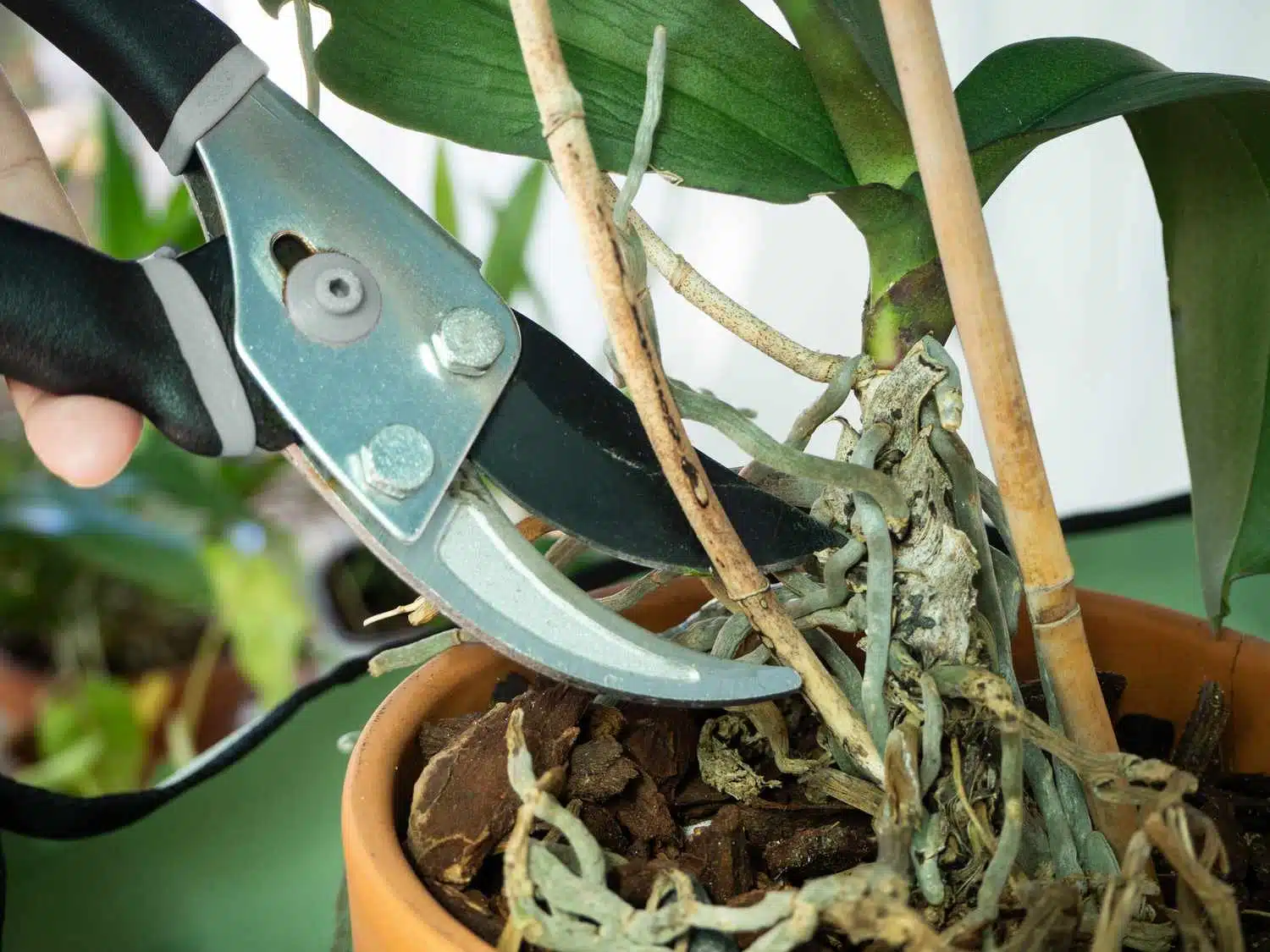

Use disinfected scissors to cut away damaged or soft roots as well as dry stems. This process prevents the plant from wasting energy maintaining hopelessly damaged areas.
2. Gently Hydrate the Roots
Soak the base of your orchid in lukewarm, non-calcareous water for 15 to 20 minutes. This gentle bath helps dry roots gradually regain hydration.
3. Provide a Suitable Habitat
Instead of repotting immediately, wrap the roots in slightly moist sphagnum moss, a natural moss that holds water without oversaturating. Then place the plant in a transparent container that allows light to pass through while maintaining a stable humidity level without waterlogging.
4. Give It Adequate Light
Orchids require light but must be shielded from direct sunlight, which can burn their leaves. Positioning near an east- or west-facing window is ideal to meet this requirement.
5. Be Patient and Watch for Signs of Recovery
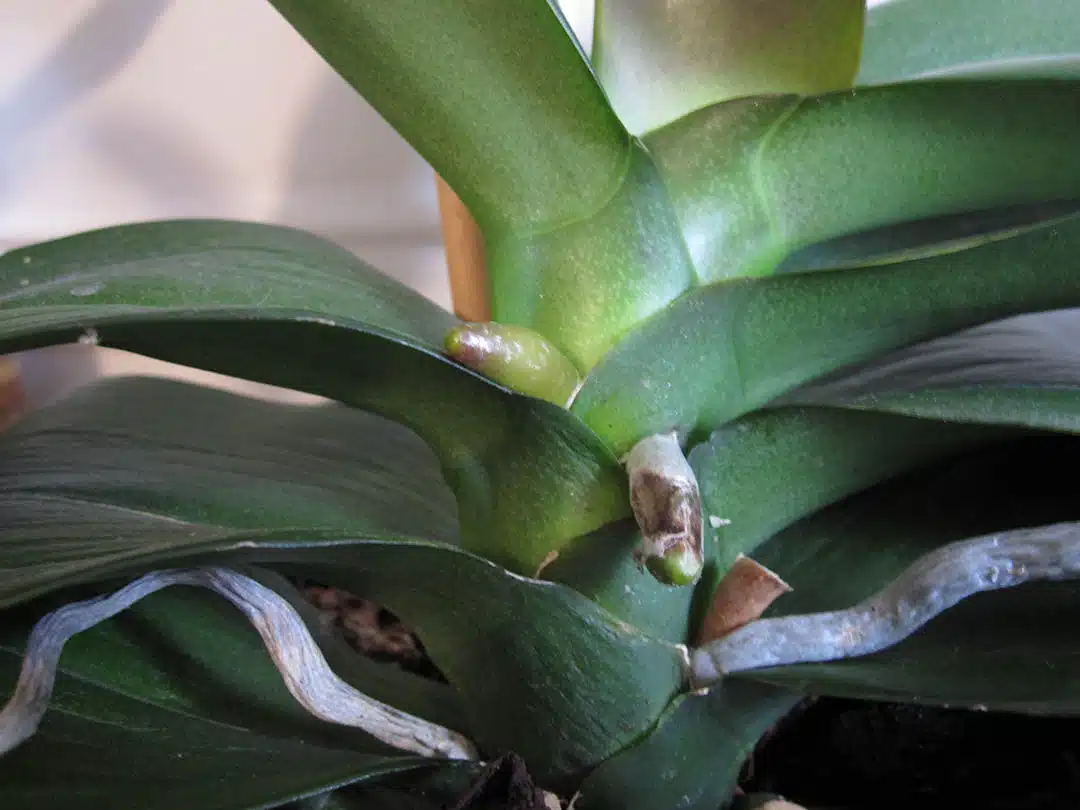
Water moderately, ensuring consistent humidity without excess. After a few weeks, new roots or small leaves should start to emerge, indicating that your orchid is regaining vitality.
The Joy of Seeing an Orchid Bloom Again
Bringing an orchid back to life takes time and perseverance, but the reward is well worth the effort. Watching the first shoots appear is a deeply satisfying experience. This process reminds us that nature always holds surprises, and that a plant seemingly doomed can revive with some attention and proper care. Before deciding to discard your orchid, try these methods—you might be pleasantly surprised by the outcome!
