
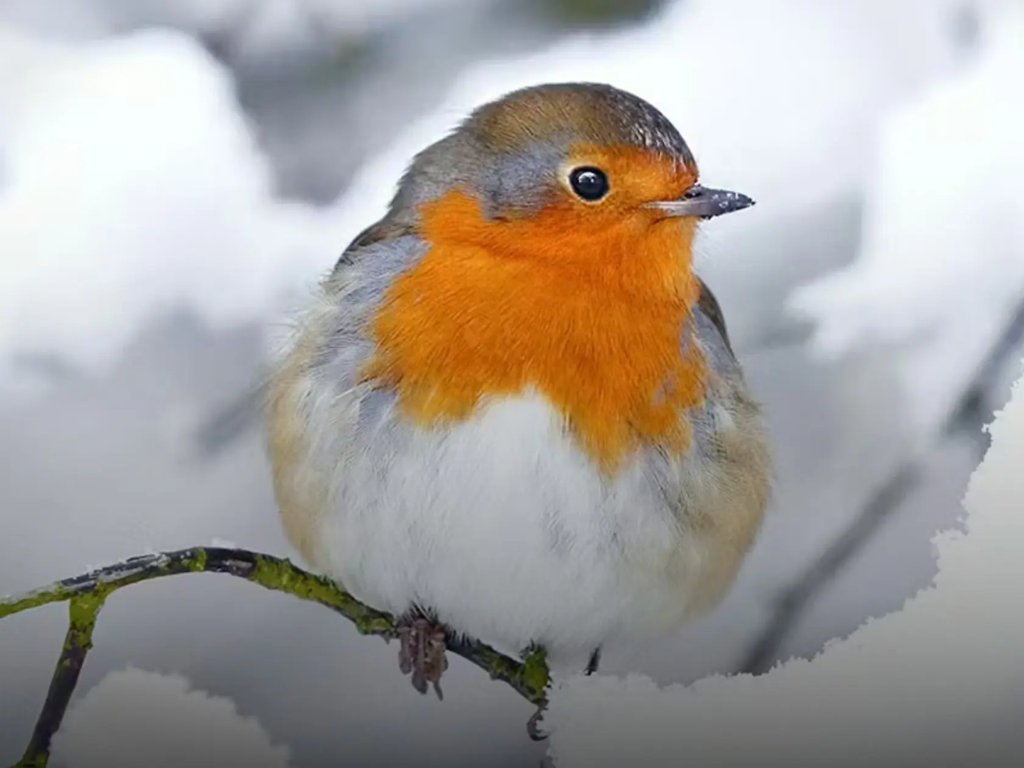
Providing Appropriate Food to Support Birds Through the Winter
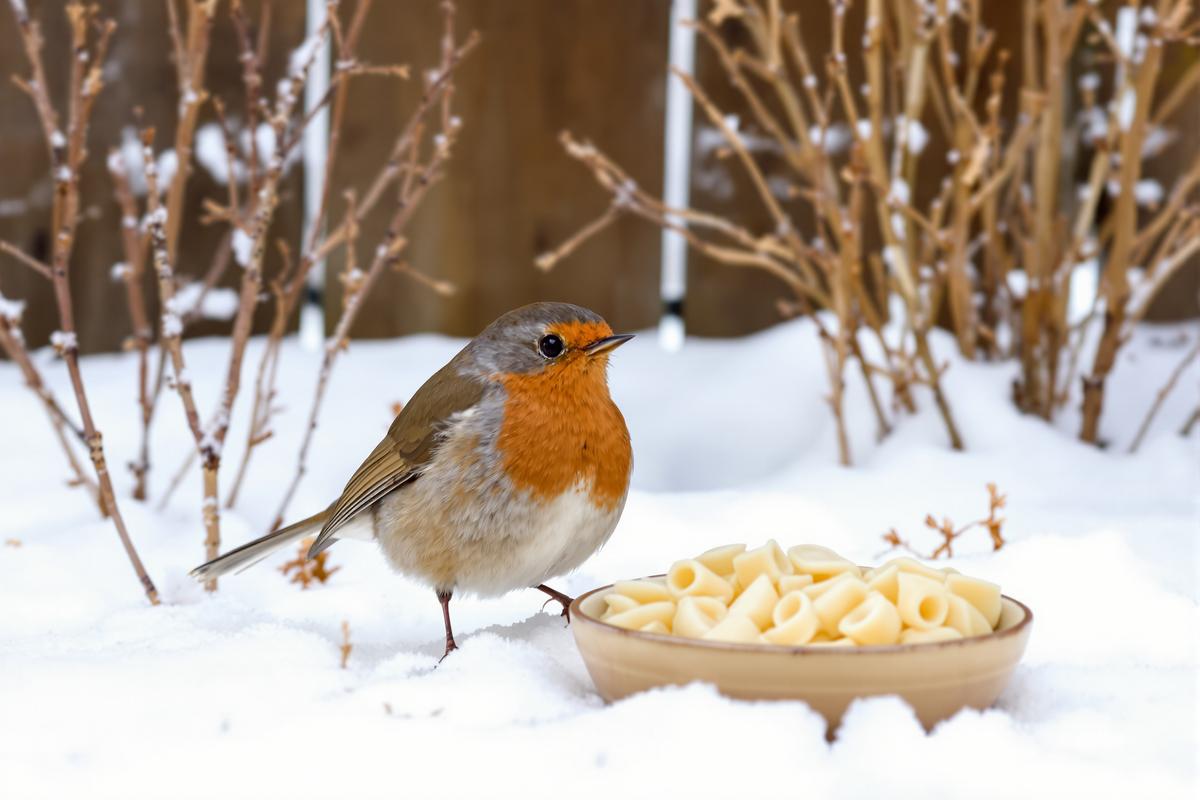
As winter settles in firmly, nature slows down: the ground hardens with frost, insects become scarce, and birds’ food reserves quickly dwindle. Our feathered friends must then expend a great deal of energy just to maintain their body temperature. The goal is clear: to provide them with vital energetic support.
There is no need to offer a wide variety of foods; a few simple options are sufficient. Mealworms, which are particularly favored, prove to be rich and suitable for small, delicate beaks. Alternatively, a portion of vegetable fat or a small knob of unsalted butter can greatly help birds regain strength during freezing days.
Hulled seeds, such as sunflower seeds, also turn out to be very practical. Without their shells, they become accessible even to species that cannot break through tough seed coats. When distributing food, it is best to use a low tray or a cleared area in your garden: some birds prefer feeding directly on the ground rather than on hanging feeders.
The key is to slightly vary the types of food offered and to place them sheltered from the wind, so they remain fresh and appealing for longer.
Ensuring Constant Access to Water
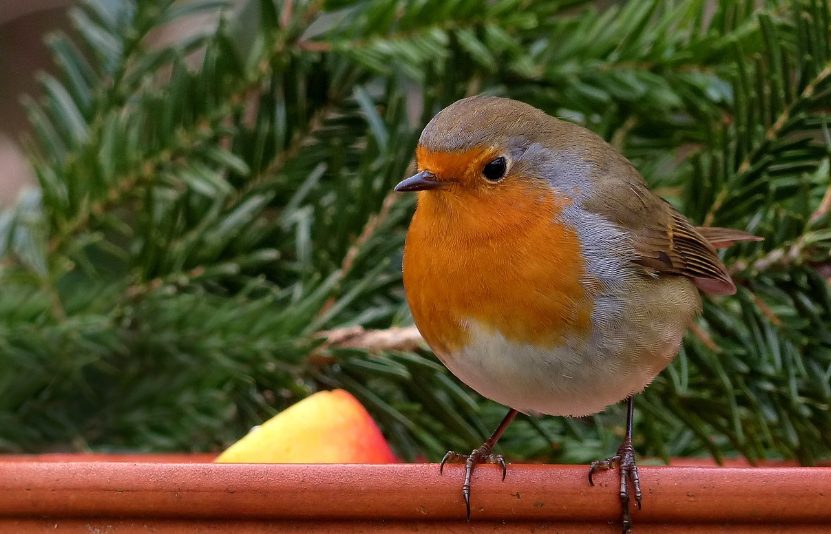
It is often forgotten that even in winter, birds need to drink regularly and keep their feathers well-maintained. Clear water is essential to keep their insulating feathers effective against the cold.
As temperatures drop, natural water sources quickly freeze over. To counter this, place a shallow dish of lukewarm water outside every morning and add a small light ball that floats: its movement helps slow the formation of ice.
If you prefer practical accessories, some fountains designed to withstand cold weather do not actually heat the water but prevent frost from forming, which is very useful during extended freezing periods.
Providing a Warm Shelter for the Night
At nightfall, small birds seek out a quiet and sheltered spot to stay warm overnight. Contrary to popular belief, a shelter with a round hole is not suitable for all species. Some prefer semi-open structures or ones hidden deep within dense vegetation.
A nesting box with a rectangular opening can be an ideal refuge, especially if placed in an ivy thicket or dense hedge. Without a nesting box, a simple terracotta pot laid on its side in a shrub can serve as an improvised shelter. What matters most is choosing a quiet location, protected from the wind and discreet.
Adopting a Garden Maintenance Approach that is Respectful and Beneficial
In winter, it’s tempting to tidy up everything thoroughly. However, a garden left somewhat “natural” serves as a true refuge for biodiversity. A light layer of mulch helps maintain some soil softness, creating a zone where birds can still find some resources. Additionally, dense hedges act as windbreaks while offering safe perches.
Finally, before firmly closing a shed or small greenhouse, a quick check is enough to ensure no bird has taken refuge inside.
