

Broccoli is recognized as one of the most beneficial vegetables for health. It is packed full of essential vitamins, minerals, fiber, and antioxidants. Regular consumption strengthens the immune system, promotes good digestion, and supports cardiovascular health. Yet, a common mistake persists among many: simply rinsing it under clear water.
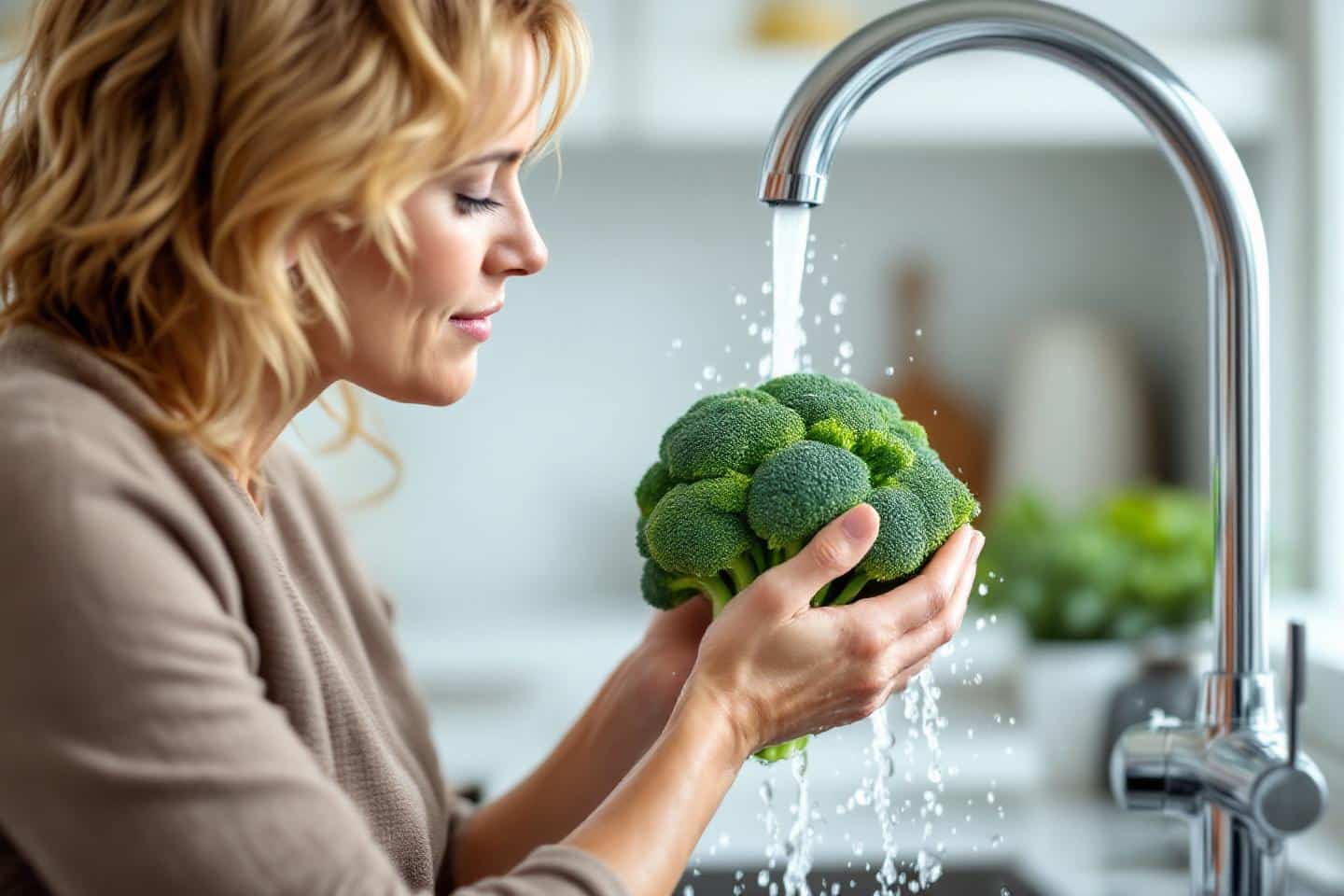
However, simply running broccoli under a stream of water is not enough to properly cleanse it.
Why rinsing broccoli with plain water does not clean it thoroughly
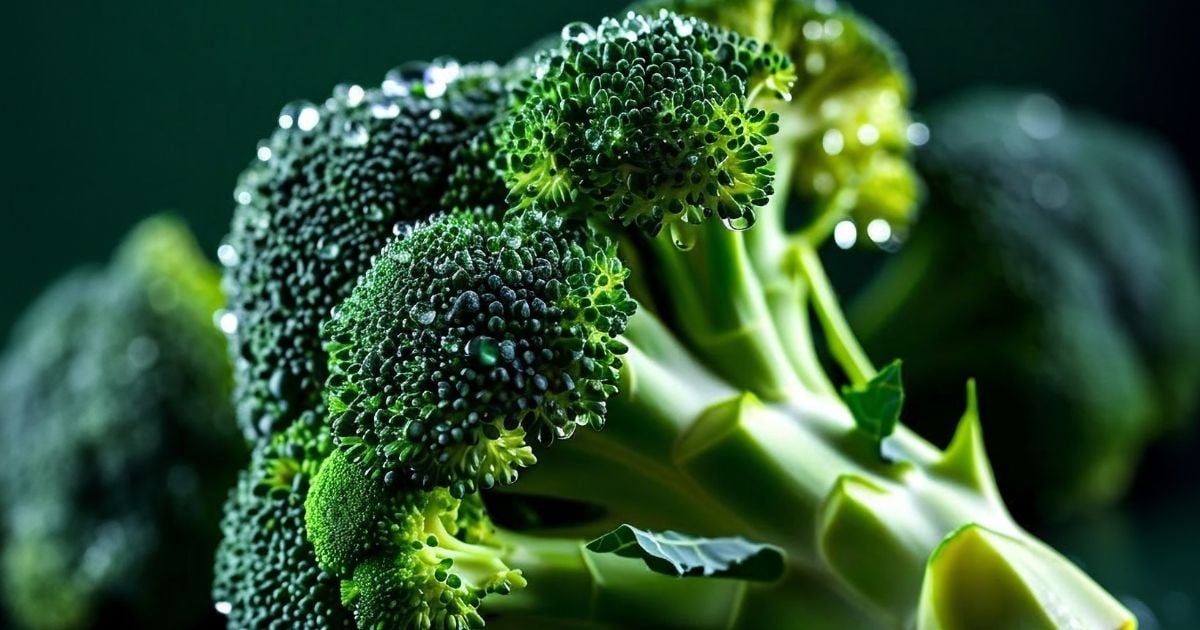
The very structure of broccoli complicates the cleaning process. Its tiny, tightly packed florets can trap:
- soil and dirt residues,
- dust particles,
- traces of pesticides,
- as well as small insects or their eggs.
A simple rinse only removes the visible dirt on the surface, without addressing the debris lodged deep inside the florets where impurities persist.

For this reason, it is essential to adopt a more thorough cleaning method.
The effective method to perfectly clean broccoli
Here is a simple procedure you can perform at home for optimal cleaning.
Step 1: Break down the broccoli
Using a knife or scissors, separate the broccoli into small branches.
The finer the pieces, the more effective and deep the cleaning will be.
Step 2: Prepare a cleaning solution
In a large bowl, combine:
- 1 tablespoon of salt,
- 1 teaspoon of baking soda,
- 1 tablespoon of flour,
- then add enough water to completely submerge the broccoli.
Mix thoroughly until the powders are fully dissolved.
Step 3: Let soak
Place the broccoli pieces in this solution and let them soak for 5 to 10 minutes.
Step 4: Rinse thoroughly
After soaking, gently agitate the broccoli florets in the water, then rinse them abundantly under clear water.
This way, the broccoli will be deeply freed from impurities, ready to be cooked safely.
Explanation of the effectiveness of the ingredients in this solution
Each ingredient plays a specific role:
- Flour acts as a natural magnet, capturing dirt and insect eggs due to its adhesive texture.
- Salt encourages the exit of small insects and has antibacterial properties.
- Baking soda helps eliminate pesticide residues, contributing to a healthier wash.
Combined, these components provide a much more thorough cleaning than water alone can achieve.
Don’t discard the stem: a commonly overlooked yet valuable part of broccoli
The broccoli stem is often discarded, although it is entirely edible and nutritionally rich.
To make the most of it:
- Peel off the thin outer layer, which is often too tough,
- cut the stem into appropriate pieces,
- incorporate it into soups, stir-fries, or baked dishes.
Its tender texture and slightly sweet flavor make it a pleasant and crunchy addition.
Some tips for cooking broccoli while preserving its qualities
To best retain its nutritional richness and vibrant green color:
- Avoid prolonged cooking,
- prefer steaming as it maintains vitamins,
- add a drizzle of olive oil after cooking, which helps fix the color,
- and remember that broccoli is easy to digest, making it ideal for everyone, especially children and seniors.
In summary
Thoroughly cleaning broccoli is essential to eliminate dirt, insects, and pesticides present both on the surface and deep within the florets.
A simple rinse with plain water does not guarantee complete cleanliness. Conversely, the soaking method using salt, baking soda, and flour provides a deep and safe wash.
This small step, easy to adopt daily, protects your health and ensures you enjoy truly clean and flavorful broccoli.
