
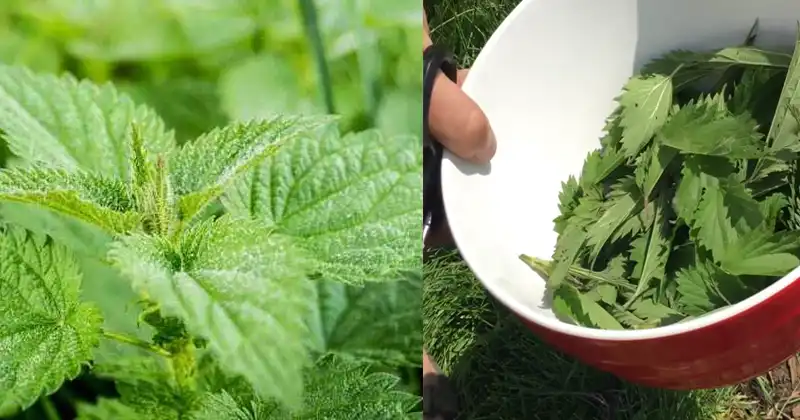
Nettle-based fertilizers and insecticides are invaluable allies for gardeners committed to natural gardening methods. Easy to prepare and environmentally friendly, they offer numerous benefits for your garden. This article invites you to explore the significance of nettle-based solutions, how to make them yourself, and the best practices to use them effectively.
Why Choose Nettle Fertilizer?
Nettle fertilizer, often known as “nettle tea” or “nettle manure,” is a natural fertilizer extremely rich in essential nutrients. It plays a vital role in boosting plant health and enhancing garden productivity. Here are the main reasons why it is so important:
Exceptional Nutritional Richness: Nettle is packed with indispensable nutrients such as nitrogen, potassium, phosphorus, as well as numerous trace elements that actively support the growth and development of plants.
Improvement of Soil Quality: Applying nettle manure enriches the soil with organic matter, which improves its structure, increases its water retention capacity, and facilitates nutrient availability for the roots.
A Natural Repellent: The strong odor released by nettle fertilizer helps repel certain pests, thus reducing the need for chemical insecticides in your garden.
Guaranteed Savings: Making your own nettle fertilizer is an economical solution that decreases dependence on store-bought products.
Preparing Your Own Nettle Fertilizer: A Step-by-Step Guide
Creating this natural fertilizer is simple and accessible. Here is a practical, step-by-step guide to prepare it:
Essential Ingredients:
Fresh nettle leaves (be sure to wear gloves to avoid stings)
A large container or bucket
Water

The Detailed Recipe:
Gather the leaves: Collect fresh nettle leaves during their growth phase, ideally in spring or early summer, taking care to wear protective gloves.
Fill the container: Pour water into a large bucket or container. The quantity will depend on the volume of leaves you have gathered.
Add the leaves: Add the nettle leaves to the water at a ratio of approximately 1 part leaves to 10 parts water (for example, 1 liter of leaves for 10 liters of water).
Let it steep: Allow the mixture to steep for two to three weeks. Stir regularly every few days to aerate the preparation.
Filter and use: After steeping, strain the liquid into another container. This concentrated juice is your nettle fertilizer. Before application, you can dilute it with water at a ratio of 1 part fertilizer to 10 parts water.
The Benefits of Nettle-Based Insecticide
Nettle insecticide, sometimes called “nettle pest spray,” is an effective and eco-friendly biological solution to control insect attacks in your garden. Here are some reasons why it is highly recommended:
Respect for Nature: This natural treatment avoids the use of synthetic chemical products, thereby protecting beneficial insects and preserving ecological balance.
Moderate Cost: Making your own nettle insecticide is a cost-effective and sustainable alternative compared to often expensive commercial products.
Effective Pest Control: This spray helps combat various common pests such as aphids, caterpillars, and mites.
How to Make Your Own Nettle Insecticide
Here is a simple procedure to create your own natural insecticide:
What You’ll Need:
Fresh nettle leaves (wear gloves when handling)
Water
A mild, organic, and non-toxic soap
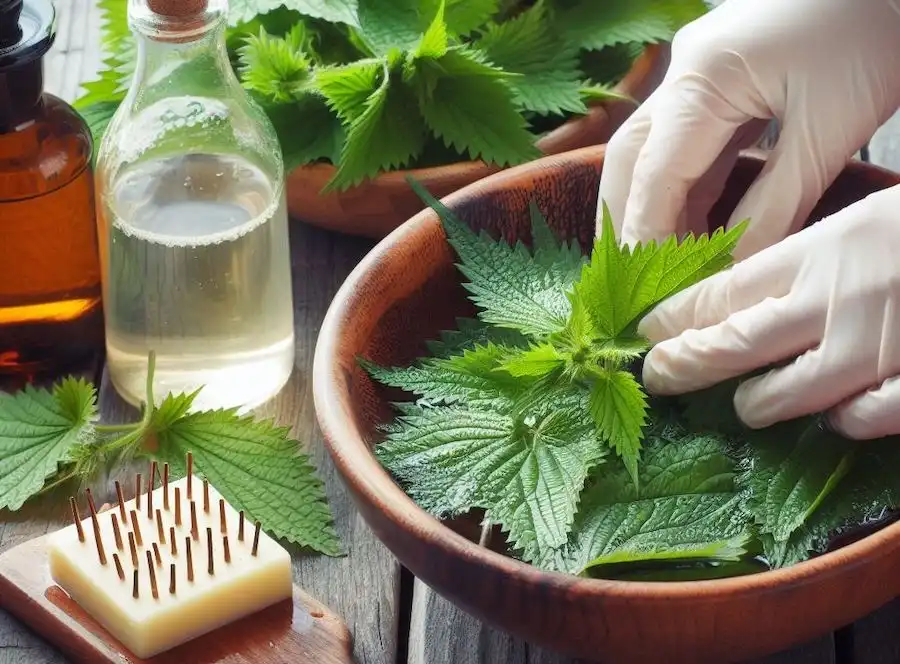
Instructions:
Harvest the leaves: As with the fertilizer, gather fresh nettle leaves in spring or early summer, using gloves.
Fill a container: Pour water into a bucket, using a ratio of 1 part leaves to 5 parts water (for example: 1 liter of leaves for 5 liters of water).
Soak the leaves: Let the leaves soak in the water for about 24 hours to extract their active properties.
Strain: Filter the liquid into a spray bottle after the soaking period.
Add the soap: Add a few drops of mild, organic, and non-toxic soap; this helps the product adhere better to the leaves and pests.
Application: Spray this natural insecticide directly onto infested plants, targeting the pests. Be sure to treat both sides of the leaves. Repeat the application every 7 to 10 days depending on the severity of the infestation.
Nettle fertilizer and nettle insecticide are essential tools for any gardener who values sustainable and environmentally respectful practices. These homemade preparations offer numerous benefits, ranging from enriching the soil and supporting plant growth to effectively combating harmful pests. By mastering their preparation and application, you will promote a healthier, more productive garden while reducing dependence on chemical fertilizers and insecticides.
