
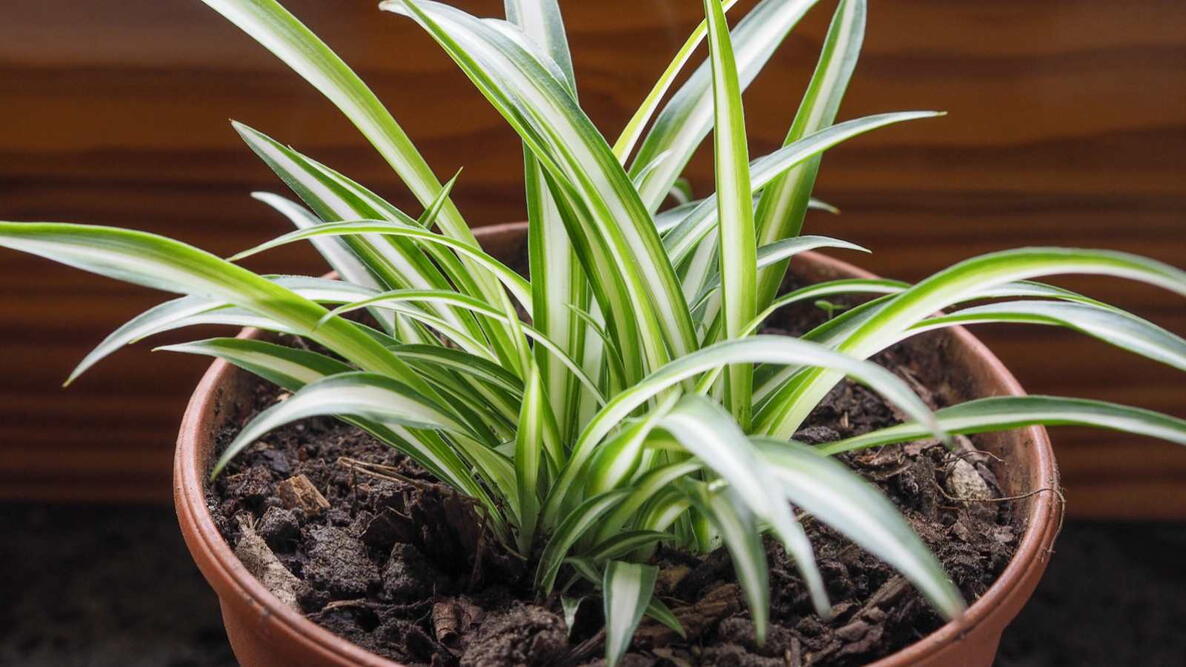
Spider plants are among the easiest houseplants to grow, loved for their long, arching leaves and the charming baby plants that cascade over the sides of pots. While many people enjoy them for their foliage alone, spider plants are also capable of producing delicate white flowers when given the right conditions.
Many indoor gardeners never see their spider plant bloom and assume something is wrong. In reality, flowering depends on a combination of maturity, light, and overall care. With a few thoughtful adjustments, you can encourage your spider plant to reward you with tiny, star-shaped blossoms.
Understanding Spider Plant Flowers
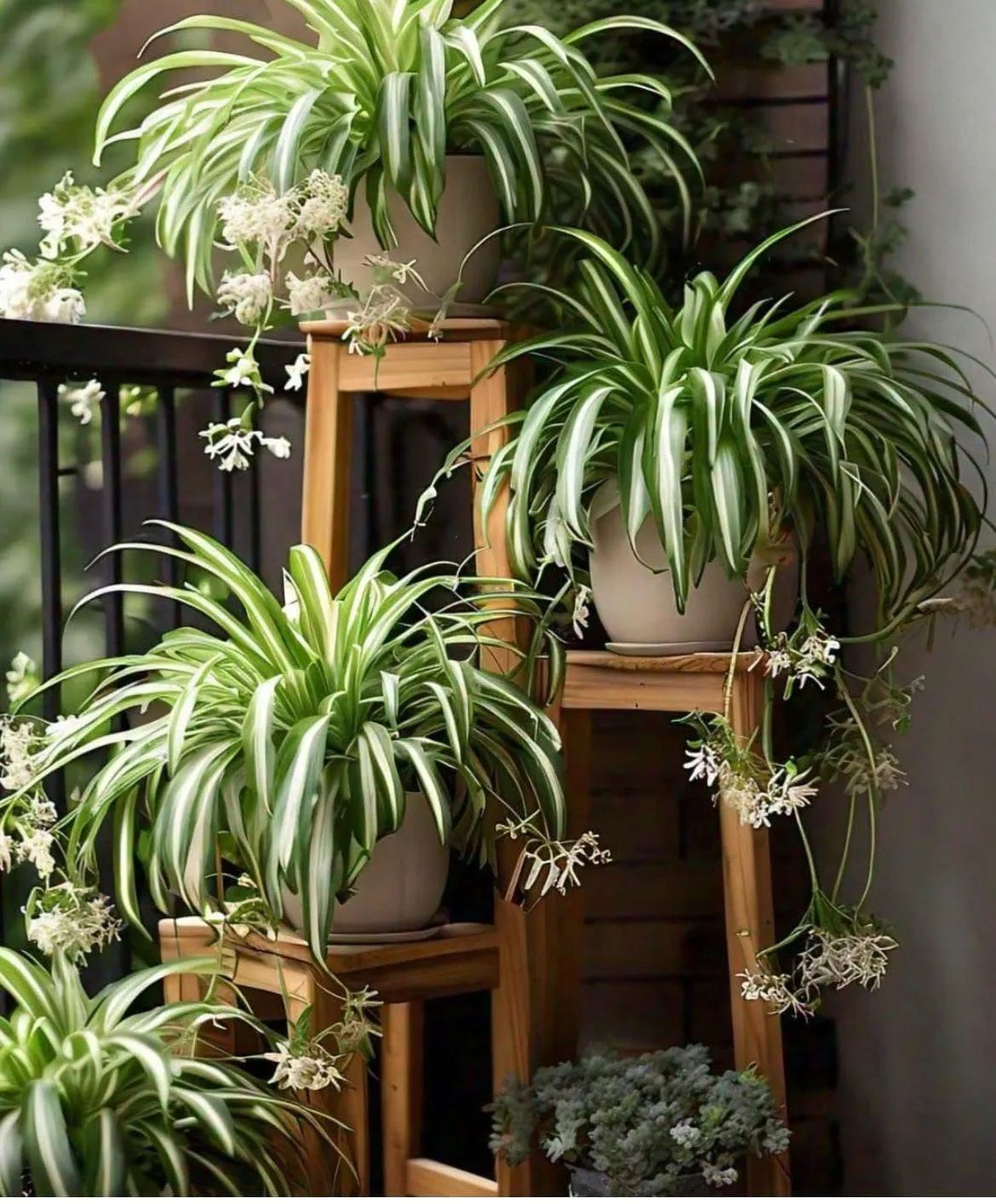
Spider plant flowers are small, white, and star-like, appearing along long stems called stolons. These stems often produce both flowers and baby plants, commonly known as spiderettes.
Flowering is a sign that your plant is healthy and comfortable in its environment. It also signals that propagation season is near, giving you the chance to grow new plants from the parent.

That said, not every spider plant will flower indoors. Age, light levels, and care habits all play a role in whether blooms appear.
When Do Spider Plants Flower?
Spider plants usually need to reach maturity before they flower, which typically takes one to two years. Young plants focus their energy on leaf and root growth rather than reproduction.
Blooming most often happens in spring and summer when days are longer and light levels increase. While stress can sometimes trigger flowers, the healthiest and most consistent blooms come from plants that are thriving rather than struggling.
Light: The Key to Flowering
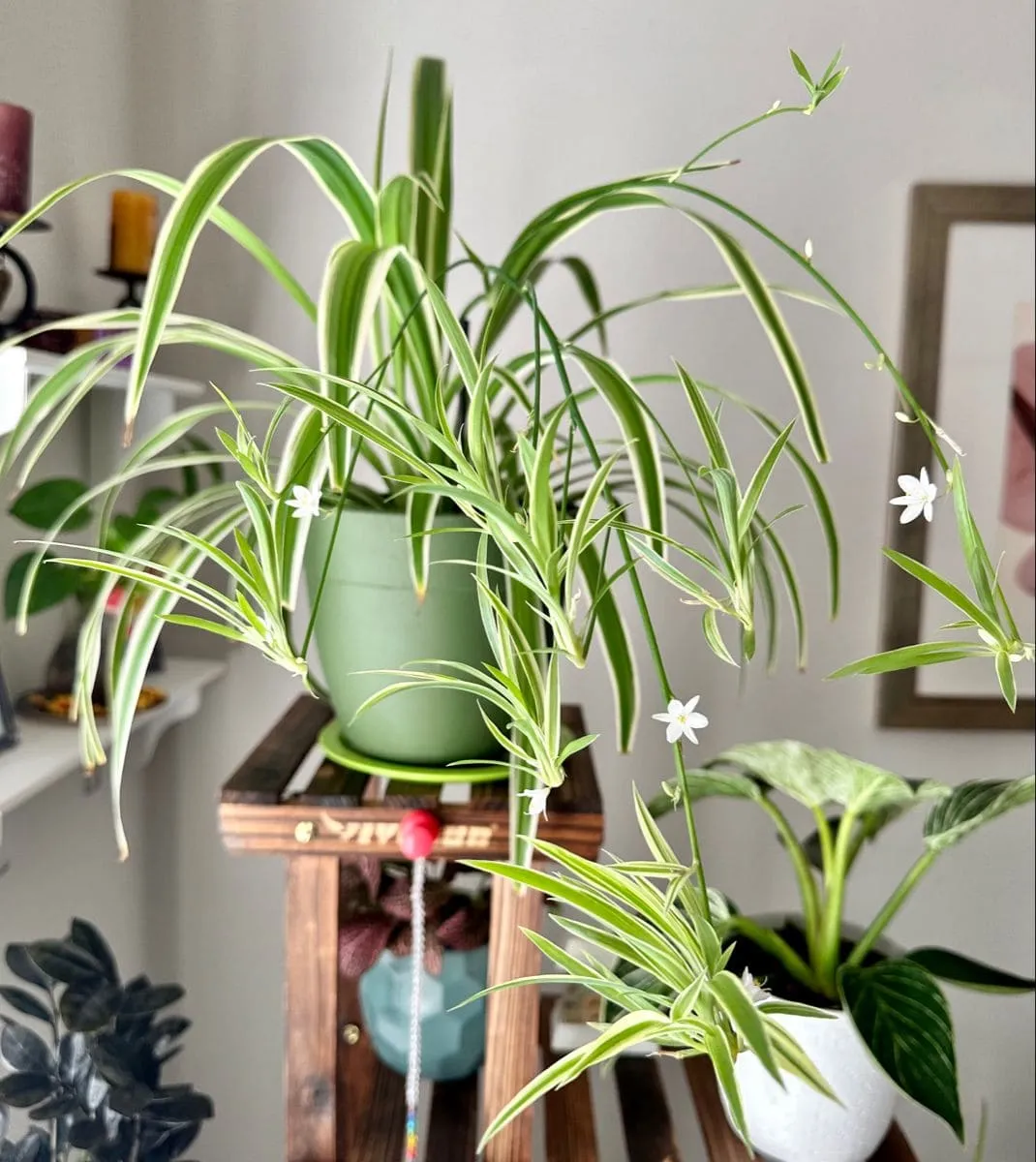
If your spider plant refuses to bloom, insufficient light is often the main reason. Spider plants need bright, indirect sunlight to produce flowers. In low light, they may grow leaves but won’t have the energy to bloom.
An east-facing window with gentle morning sun is ideal. South-facing windows can also work if the light is softened with sheer curtains. If natural light is limited, a small grow light can make a noticeable difference.
Proper Watering and Feeding
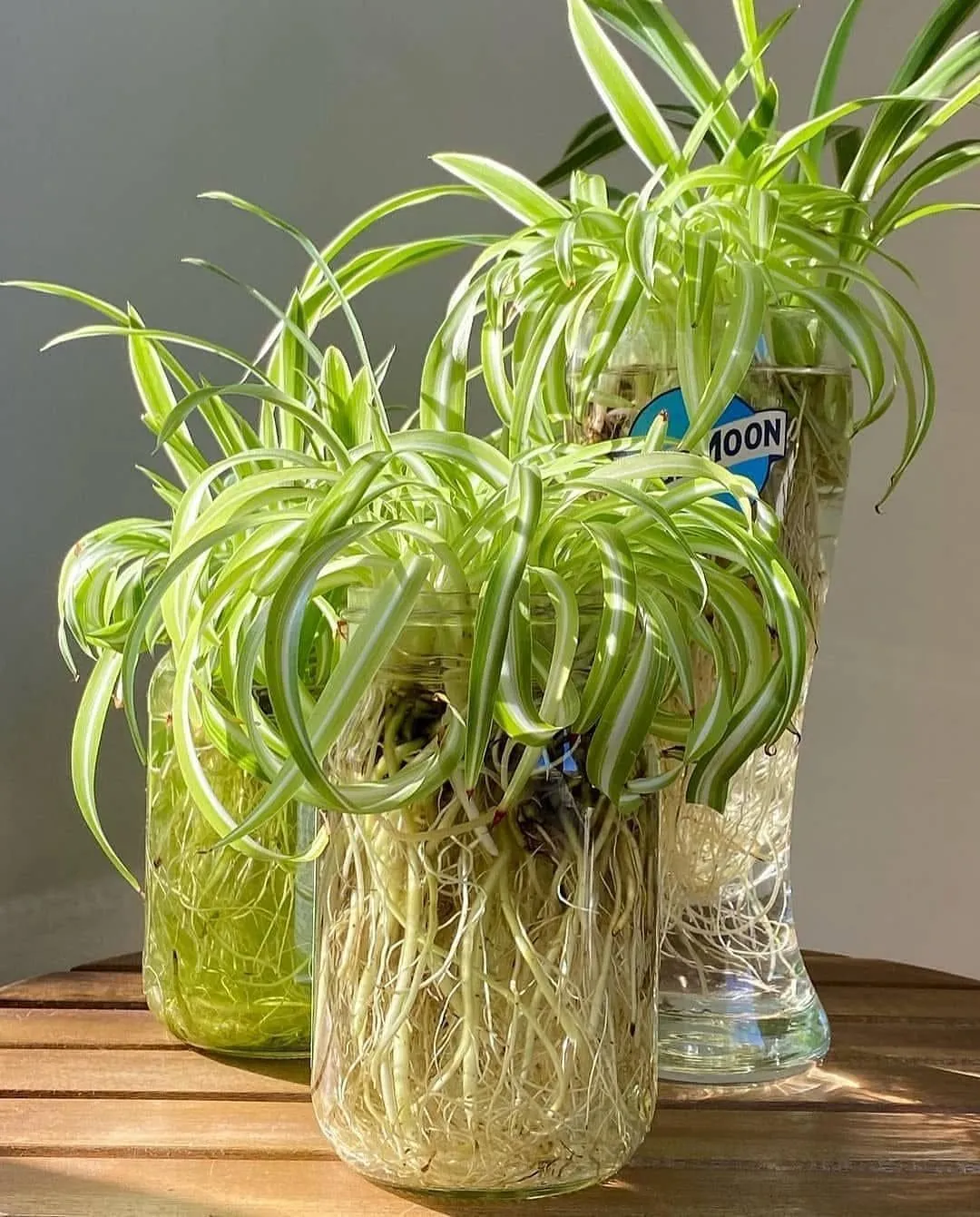
Spider plants are forgiving, but proper watering and feeding are important for flowering. Keep the soil lightly moist, allowing the top inch to dry out between waterings.
Overwatering can lead to root rot, while letting the soil dry out completely can stress the plant. During spring and summer, feed once a month with a balanced liquid fertilizer.
Avoid fertilizers that are too high in nitrogen, as they encourage lush leaves at the expense of flowers.
Container and Root Conditions
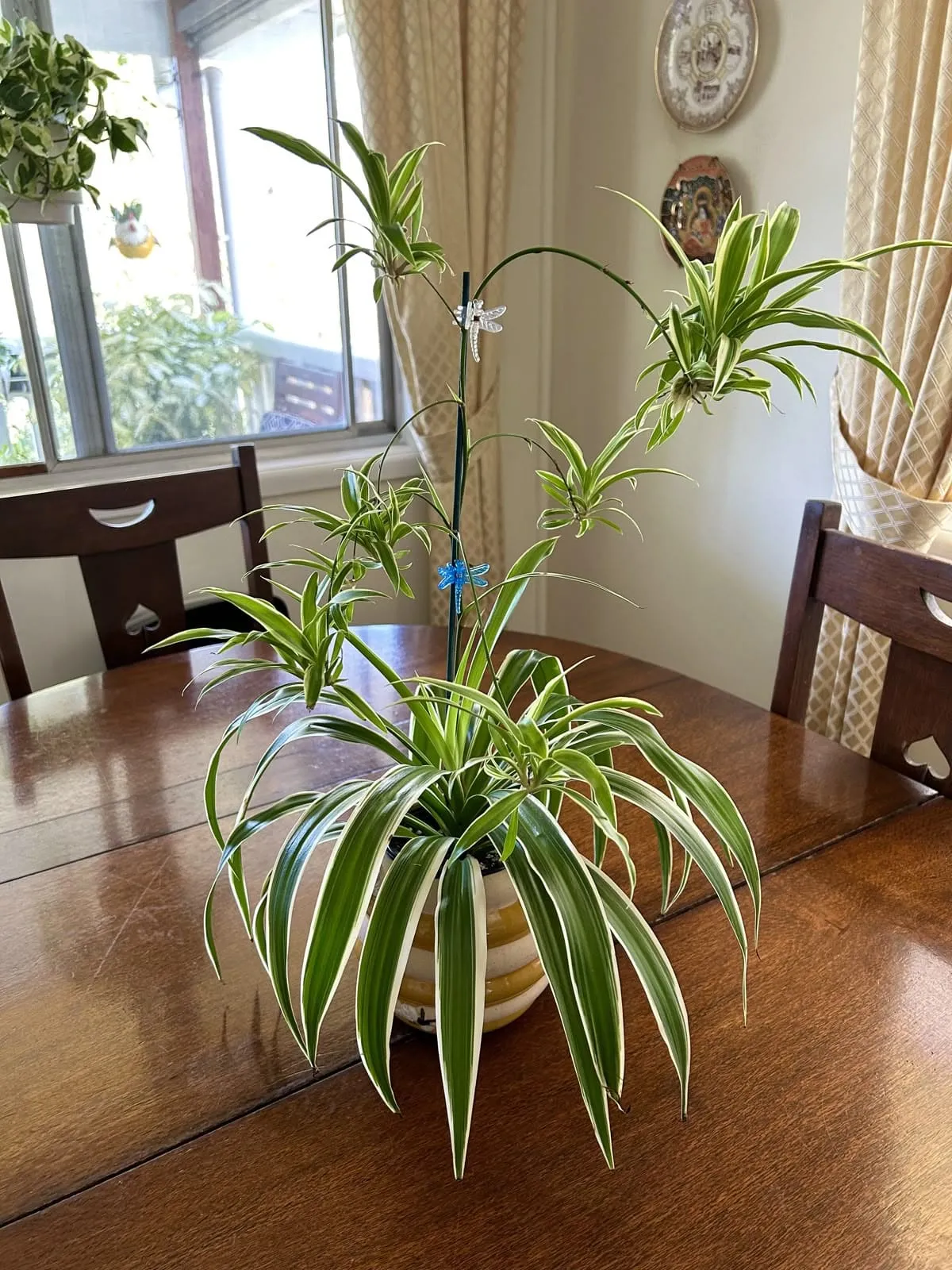
Interestingly, spider plants are more likely to flower when they are slightly root-bound. When roots fill the pot and space becomes limited, the plant is more likely to shift energy toward reproduction.
If roots are peeking out of the drainage holes, it’s often a sign that conditions are just right for flowering rather than a problem that needs immediate repotting.
Temperature and Environment
Spider plants prefer temperatures between 18–24°C (65–75°F). While they tolerate brief temperature changes, consistent conditions encourage steady growth and flowering.
Average indoor humidity is usually sufficient, but slightly higher humidity can improve overall vigor. Rooms that are too cool or very dry may slow or prevent blooming.
Encouraging Flowering With Seasonal Cues
If your spider plant still refuses to flower, try mimicking natural seasonal changes. During winter, reduce watering slightly and stop fertilizing to give the plant a short rest period.
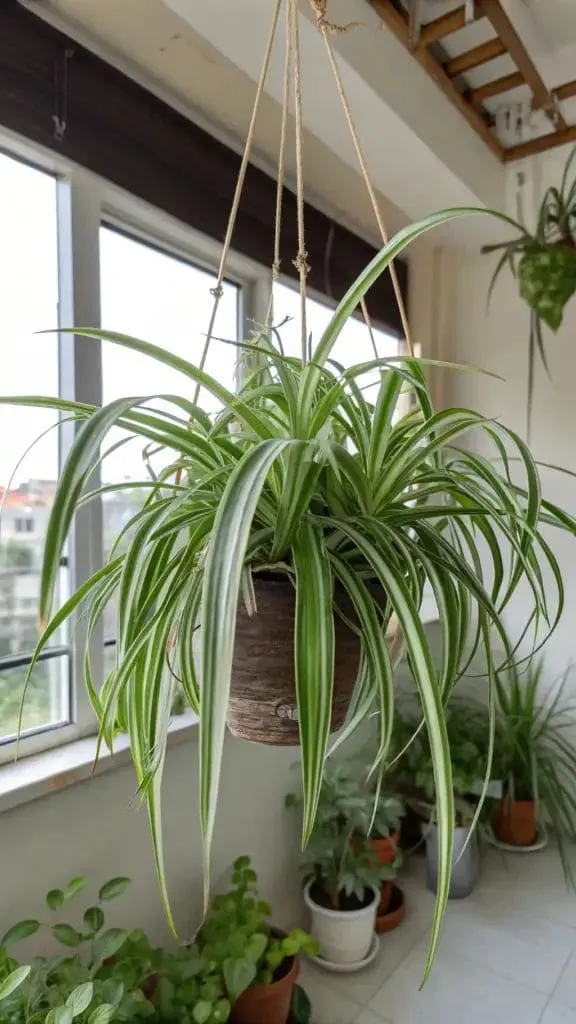
When spring arrives, resume regular watering and feeding. This change often triggers flower production. Placing your plant outdoors during summer, in bright indirect light, can also provide a helpful boost.
Common Mistakes That Prevent Flowers
Overfertilizing, especially with nitrogen-heavy products, is a common mistake that leads to leafy growth without blooms. Keeping the plant in low light will also prevent flowering entirely.
Repotting too often can remove the slight root-bound stress that encourages flowers. Lastly, patience matters, as younger plants simply need time to mature.
After Your Spider Plant Flowers
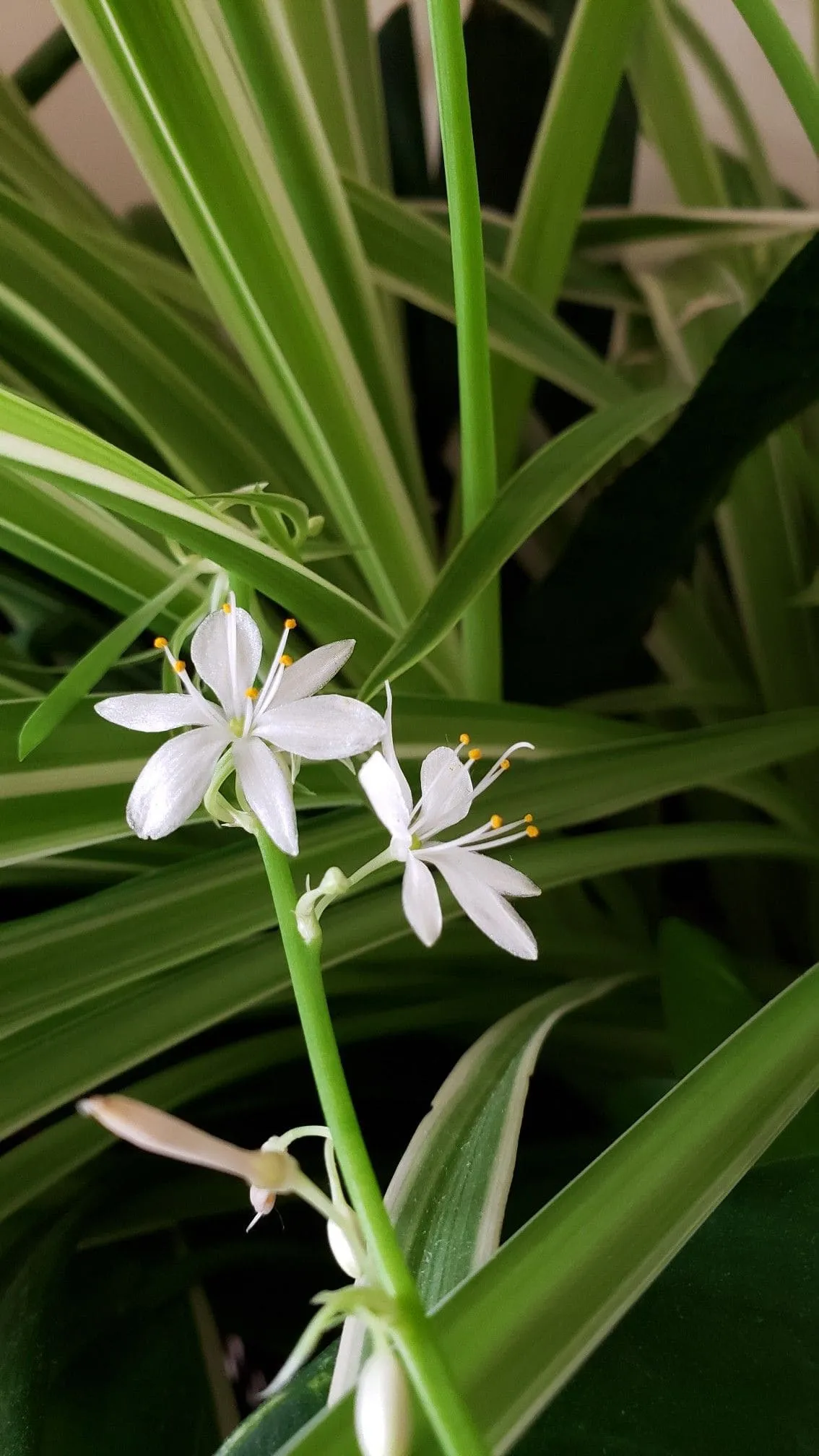
Spider plant flowers usually last a few weeks before fading. Once flowering ends, the stolons often begin producing spiderettes that can be propagated into new plants.
Remove spent flowers to keep the plant tidy, and enjoy watching your single plant multiply over time.
Final Thoughts
Getting a spider plant to flower comes down to a few key factors: maturity, bright indirect light, balanced feeding, and slightly snug roots. Even if your plant never blooms, following these care tips will result in a healthier, fuller spider plant overall.
