
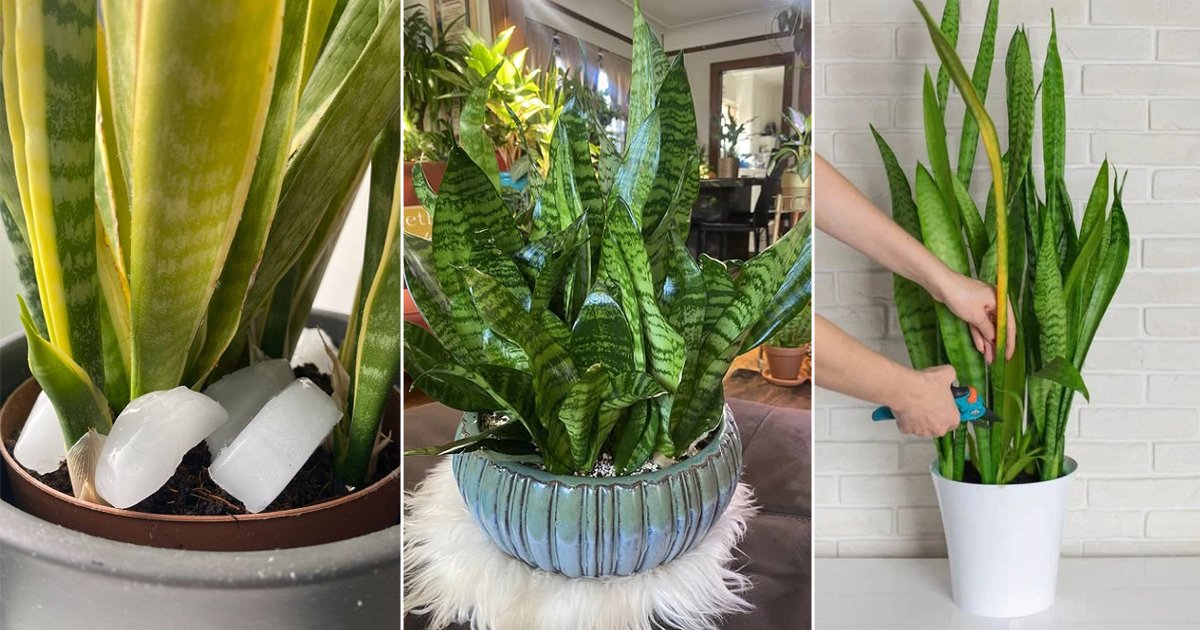
Snake plants are famous for being low-maintenance and nearly indestructible, but even these hardy houseplants can sometimes look thin or sparse. The good news? You do not need to repot your plant to encourage fuller, denser growth. With the right care techniques, you can transform your snake plant into a lush indoor centerpiece.
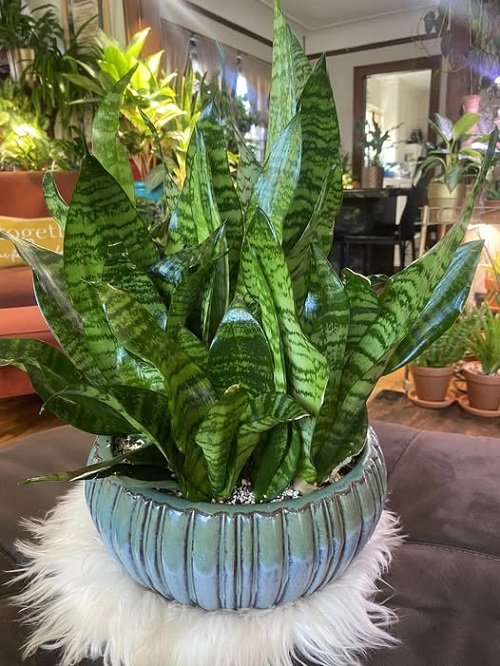
Simple Ways to Encourage Fuller Snake Plant Growth
1. Water Carefully With Ice Cubes
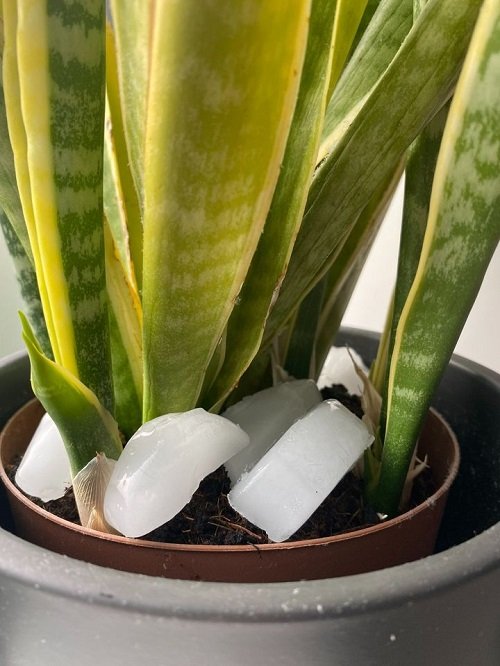
Overwatering is one of the biggest reasons snake plants stop thriving. Since these plants naturally tolerate dry conditions, soggy soil can quickly lead to root rot and weak growth.
A clever solution is to water with a few ice cubes placed around the base of the plant. As the ice melts slowly, the roots receive moisture gradually without becoming oversaturated. This method is especially useful for busy plant owners or anyone who tends to overwater.

Tip: Only water your snake plant when the soil feels completely dry.
2. Give It the Right Amount of Light
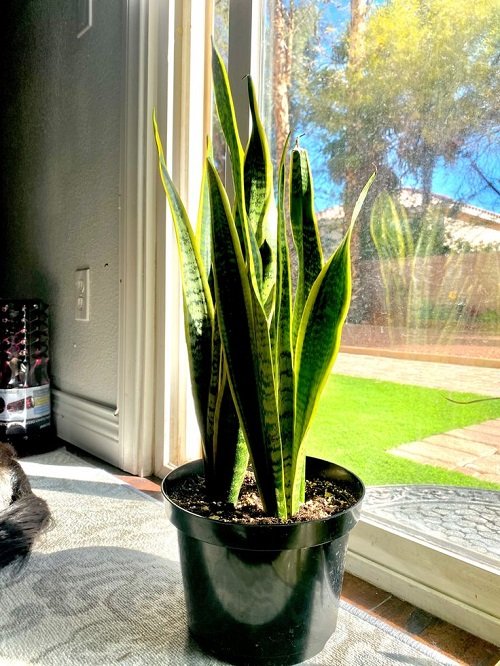
Lighting plays a huge role in how full and healthy your snake plant appears. Bright, indirect sunlight encourages stronger and denser growth, while low light often causes stretched or weak leaves.
Place your plant near an east-facing window where it can enjoy gentle morning sunlight. If using a south-facing window, filter intense light with a sheer curtain to prevent leaf scorch.
Using a terracotta pot can also help support healthier roots by improving airflow and preventing excess moisture buildup.
3. Let the Pups Grow
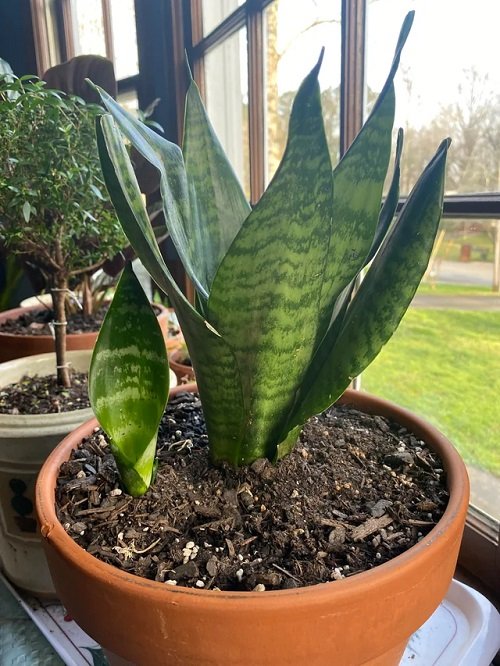
Snake plants naturally produce small offshoots called pups around the base of the plant. While many gardeners remove them for propagation, allowing them to stay in the same pot creates a much fuller appearance.
Instead of uprooting these baby shoots, let them grow beside the parent plant. You can lightly trim damaged or overcrowded leaves while giving the pups room to fill empty spaces.
Pro Tip: Gently loosen the top layer of soil around slow-growing pups to improve airflow and encourage stronger growth.
4. Rotate the Plant Regularly
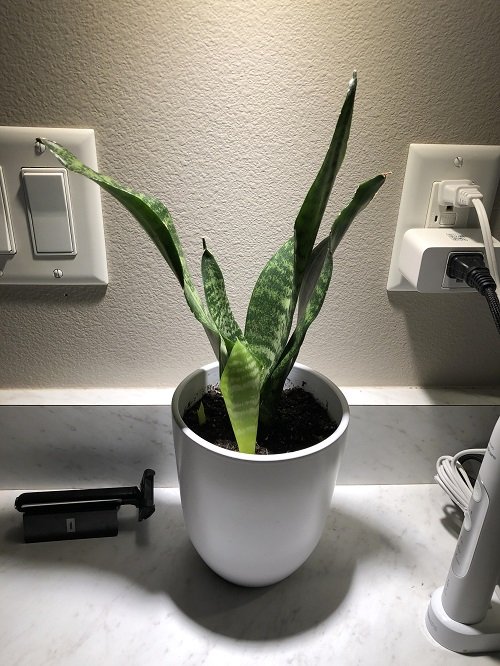
If your snake plant leans toward one side, it may not be receiving even light exposure. Rotate the pot slightly every week to encourage balanced growth on all sides.
During winter or in darker rooms, supplement natural light with a small grow light. Consistent lighting helps maintain upright leaves and fuller growth year-round.
5. Feed It During the Growing Season
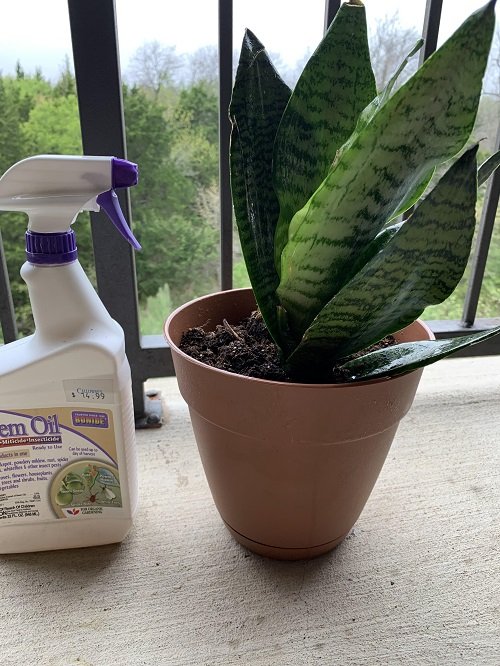
Snake plants benefit from regular feeding during spring and summer. A balanced fertilizer with a 10-10-10 NPK ratio works well to support healthy foliage development.
Dilute the fertilizer to half strength and apply it every two to three weeks during active growth. Avoid overfertilizing, as too many nutrients can damage the roots.
Loosening the top inch of soil occasionally also improves aeration and helps the roots absorb nutrients more effectively.
6. Prune Damaged Leaves
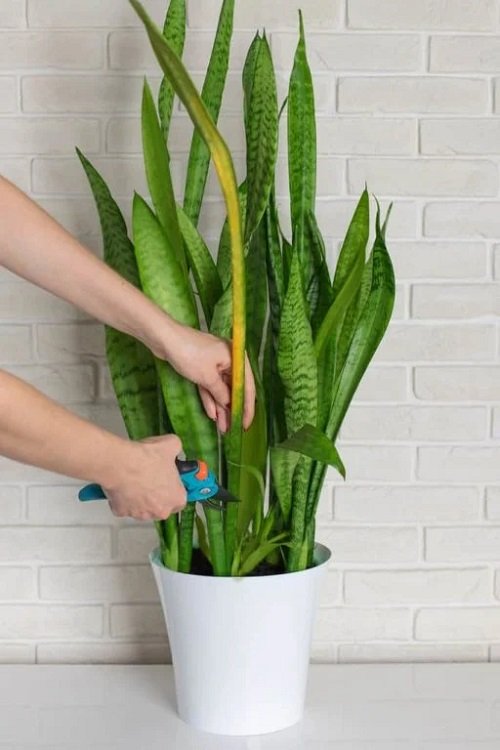
Regular pruning keeps your snake plant healthy and visually appealing. Remove yellowing, damaged, or dying leaves at the base to redirect the plant’s energy toward fresh growth.
Always use clean, sharp scissors or pruning tools to reduce the risk of disease.
Healthy cuttings can also be propagated and replanted in the same pot to create a denser arrangement over time.
7. Use an Epsom Salt Spray
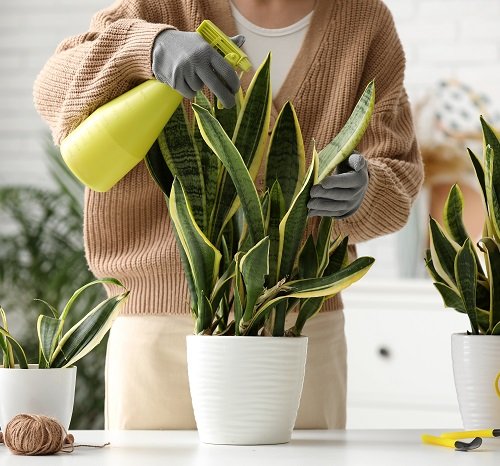
An occasional Epsom salt spray can improve leaf color and overall plant health. Magnesium and sulfur found in Epsom salt help support greener, healthier foliage.
Mix 2 tablespoons of Epsom salt into one gallon of water and lightly mist the leaves every four to five weeks.
Note: Avoid overusing this treatment, as too much magnesium can harm the plant.
8. Keep the Plant Slightly Rootbound
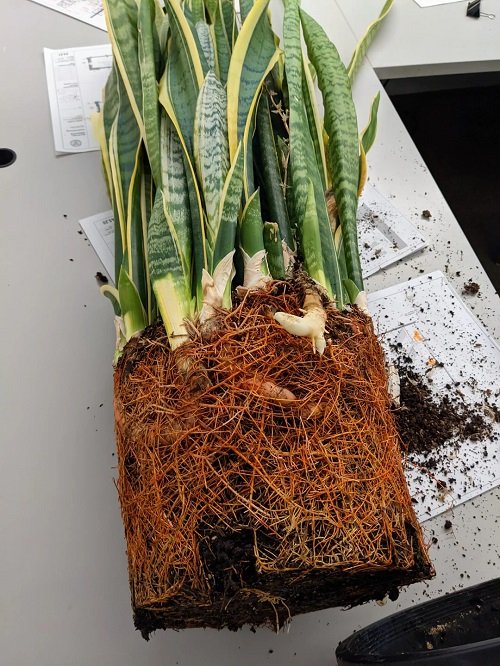
Snake plants actually prefer being a little rootbound. Oversized pots encourage root expansion rather than fuller leaf growth.
Choose a pot that leaves only a small amount of extra space around the roots. This helps the plant focus its energy on producing dense foliage instead of excessive root development.
Pro Tip: Heavier pots provide better stability for tall snake plant varieties.
9. Divide and Replant in the Same Pot
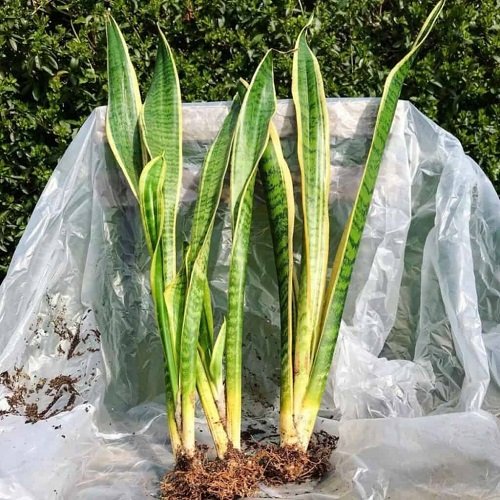
If your plant has become crowded, dividing it can refresh its growth. Remove the plant carefully and separate it into sections with healthy roots attached.
Replant the divisions back into the same container using fresh, well-draining soil. Grouping several sections together creates the appearance of a thicker, bushier plant.
Quick Tip: Water lightly after dividing to help the roots settle without causing stress.
10. Try Gentle Tricks for a Fuller Appearance
Some plant enthusiasts believe that soft classical music may positively influence plant growth. While music alone will not transform your plant, it can create a calm environment alongside proper care.
You can also gently angle the outer leaves outward to make the plant appear fuller and more balanced.
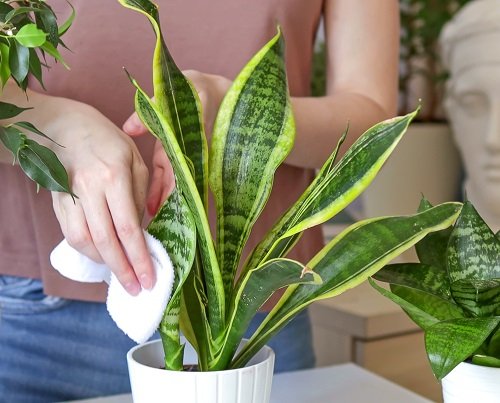
Another easy trick is to wipe the leaves with a damp cloth every couple of weeks. Clean leaves absorb more light, helping the plant photosynthesize more efficiently.
Final Thoughts
You do not need a larger pot to achieve a lush and thriving snake plant. By improving lighting, watering carefully, pruning strategically, and encouraging healthy pups, you can create a fuller and healthier plant right where it is.
With a little patience and consistent care, your snake plant can become one of the most eye-catching plants in your indoor collection.
