
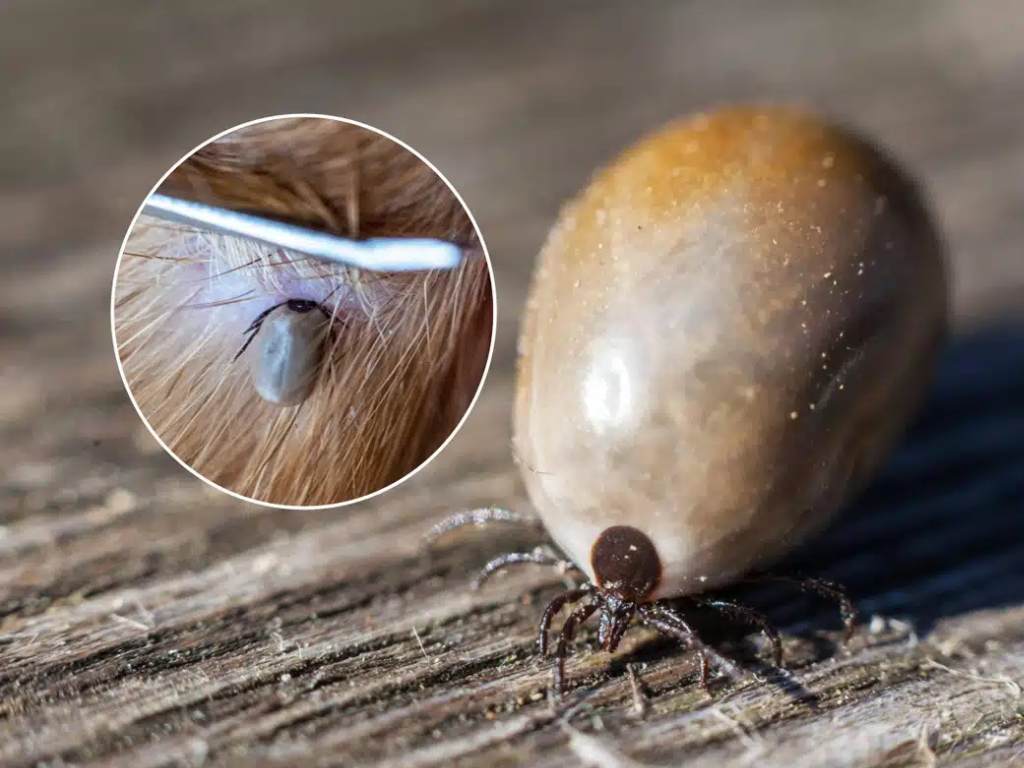
Why Are Ticks a Genuine Danger?
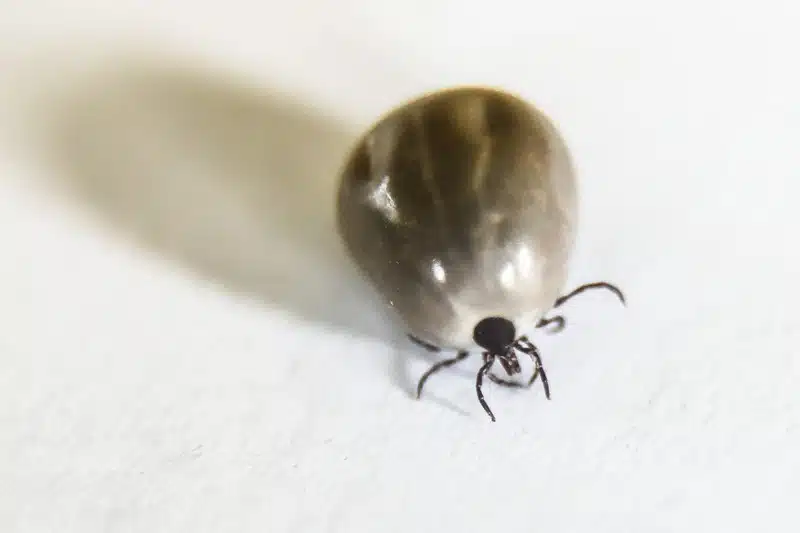
Though tiny and often unnoticed, these parasites have the potential to transmit serious diseases, including Lyme disease. By feeding on the blood of their hosts—whether humans or animals—they can inject bacteria or viruses that may cause severe infections.
A simple walk in the forest is enough for your dog, cat, or even yourself to become a target. Unlike mosquitoes, ticks latch on firmly and can stay attached for several days.
Critical Mistakes to Avoid When Dealing with a Tick
Common Mistake #1: Flushing the Tick Down the Toilet

Although this may seem like an effective solution, a tick can survive the flush. These creatures are remarkably resilient: some can live submerged in water for up to three weeks, and in rare instances, they may even resurface.

Common Mistake #2: Crushing the Tick
A female tick carrying eggs may contain hundreds of them. Crushing it risks spreading those eggs, effectively creating a ticking time bomb that facilitates the proliferation of these parasites.
How to Safely Get Rid of a Tick
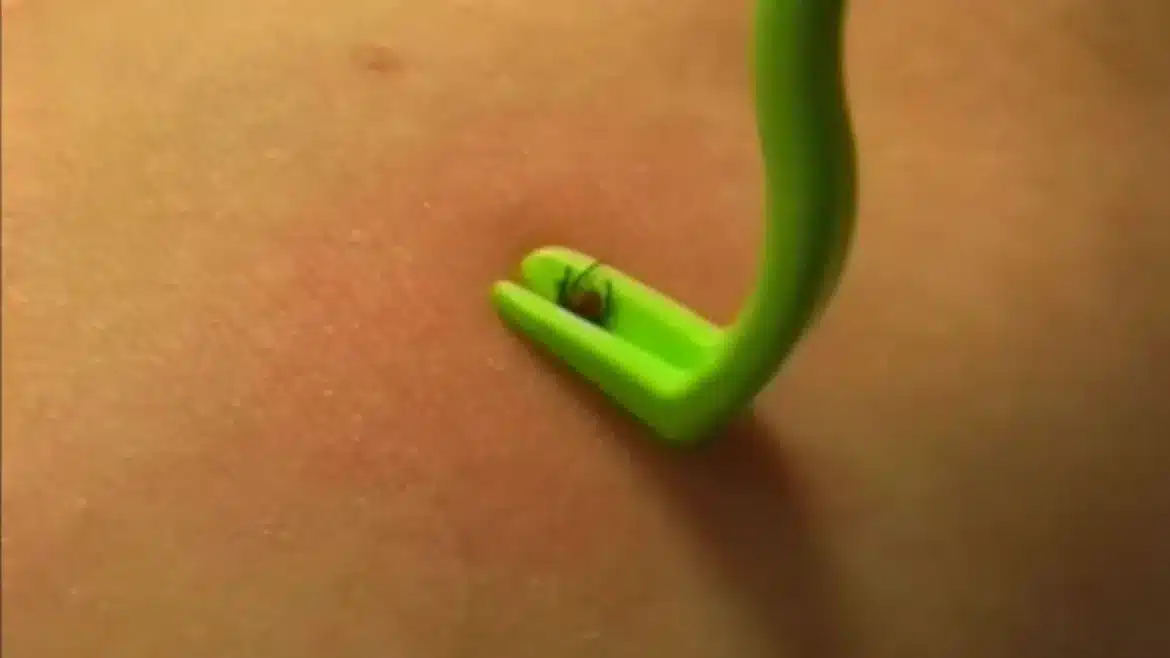
To effectively remove a tick, consider adopting the following methods:
- Burn it: Immediately after removal, it is advisable to definitively destroy the tick by burning it carefully with a lighter or match, exercising caution.
- Use an insecticide: A targeted spray of insecticide can kill the tick instantly.
- Cut the tick in half: This is a radical but effective approach if done carefully to ensure the tick is fully neutralized.
- Seal it in an airtight bag: Before disposing of it in the trash, place the tick carefully in a sealed bag to prevent any contamination.
Ticks: A Danger Not To Be Overlooked Even Inside Your Home

It’s common to believe you are safe inside your home. However, our pets can become unwitting “tick taxis.” These parasites use the fur of your dog or cat to sneak silently into your living space.
Some ticks do not immediately embed their mouthparts. They wait for the right moment to attach, meaning that even brief contact can expose you to the risk of infection.
Necessary vigilance even in winter
Contrary to popular belief, ticks do not truly hibernate in winter. As soon as temperatures rise above 5°C (41°F), they become active again. Although fewer in number, their threat remains just as dangerous. Therefore, it is essential to conduct a careful visual check after every outdoor activity, regardless of the season.
The essential reflex: the tick removal tool
Investing in a specialized tick-removal tool, such as a tick tweezer or hook, is highly recommended. These tools help extract the tick without risking leaving its head embedded in the skin—a problematic residue that can be difficult to treat and may lead to infection.
In Conclusion: Essential Actions to Prevent Complications
- Never flush a tick down the toilet
- Never crush it by hand
- Dispose of it safely and definitively
- Always inspect your pets and clothing thoroughly after spending time in nature
- Use the proper tool to remove the tick
Keep in mind that the threat’s size does not matter as much as its potential to cause harm. Despite being small and discreet, a tick can turn a simple walk into a genuine health nightmare.
Share these precautions to help others avoid this critical mistake!
