
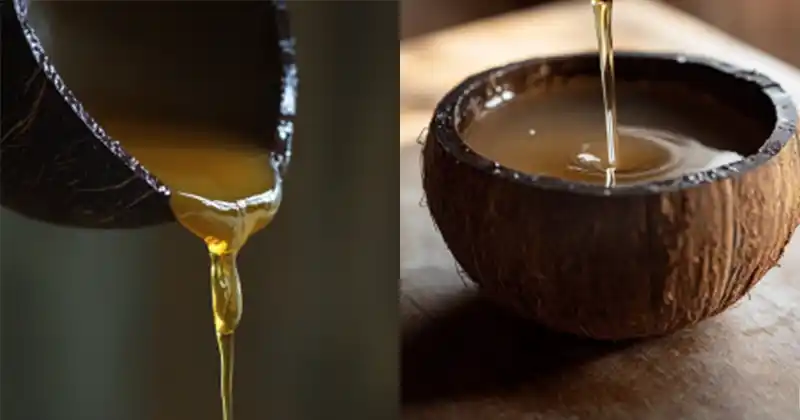
Preparing coconut oil at home is a process that is both simple and rewarding, allowing you to obtain a pure and high-quality product. By following a few accessible steps, you can make natural coconut oil without relying on commercial brands. Whether you want to use it for cooking, skincare, or hair care, homemade coconut oil guarantees optimal quality without any additives or preservatives. Here is a detailed step-by-step guide, along with practical tips to successfully extract your oil.
Necessary equipment:
3 to 4 fully ripe coconuts (the older they are, the more oil they contain)
Water
A blender or food processor
A fine cloth or a fine strainer
A large bowl
A spoon or spatula
Step 1: Preparing the coconuts
Begin by opening the ripe coconuts. You can use a hammer or the back of a large knife to strike the shell until it breaks. Collect the coconut water in a container; it can be used for other purposes or consumed as is.
Then, carefully detach the white coconut flesh from the shell using a knife or a special coconut grater. Rinse the flesh with water to remove any remaining bits of shell.
Step 2: Blending the coconut flesh
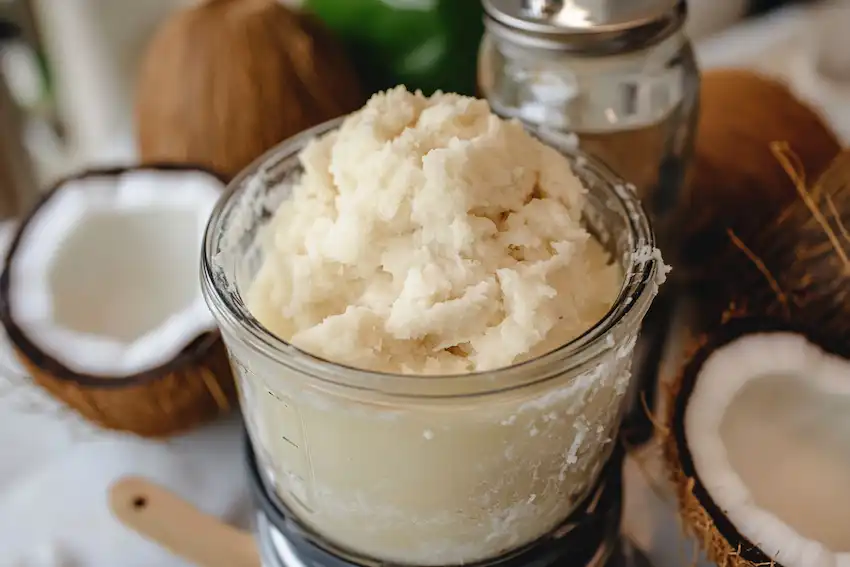
Cut the flesh into small pieces to facilitate blending. Place these pieces in a blender or food processor, then add some water to help extract the coconut milk. A ratio of two cups of coconut flesh to one cup of water is recommended.
Blend until you get a thick, creamy paste. You may need to stop the blender occasionally to scrape down the sides and ensure an even mixture.
Step 3: Extracting the coconut milk
Place a fine cloth or a strainer over a large bowl, then pour in the blended coconut paste. Press carefully to extract as much liquid as possible – this liquid is the coconut milk. The more liquid you extract, the more oil you will ultimately obtain.
Repeat this pressing process with the remaining pieces, ensuring to collect every drop of coconut milk.
Step 4: Oil separation
Let the bowl containing the coconut milk rest at room temperature for 24 hours. Over time, the oil naturally separates from the liquid, and a creamy layer will appear on the surface.
After this waiting period, place the mixture in the refrigerator for a few hours to solidify this cream. Once it hardens, gently remove it, leaving the water beneath. This water can be discarded or reused depending on your preference.
Step 5: Heating the cream to extract the oil
Transfer the hardened cream into a saucepan and heat it over low heat. As it warms, the cream will melt and release the coconut oil. Stir gently to allow the oil to fully separate from the solid residues. Continue cooking until all the water has evaporated, leaving only clear oil behind.
Then strain the oil through a fine strainer or cloth to remove any remaining solid residues.
Step 6: Storing the coconut oil
After letting the oil cool, pour it into an airtight container. Store it in a cool, dry place. Homemade coconut oil keeps for several months without refrigeration, but keeping it cool will extend its freshness.
The benefits of homemade coconut oil
This cold extraction method preserves the natural qualities of coconut oil, particularly lauric acid, known for its antimicrobial properties. By producing your own oil, you avoid the chemical treatments and thermal processes used in commercial products, ensuring a purely organic and natural product.
Why make your own coconut oil?
Pure and unrefined: Homemade oil contains no additives or preservatives.
Versatile: Usable in cooking, body care, and hair care, you have complete control over its quality.
Economical: Making your own oil allows you to save money over the long term.
Environmentally friendly: This artisanal production reduces packaging and guarantees a natural product.
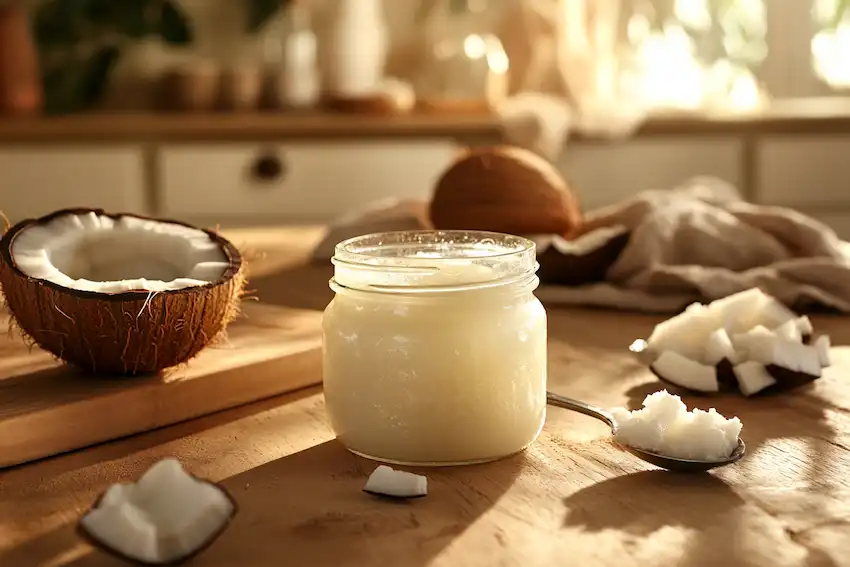
By following this straightforward method, you can easily produce high-quality coconut oil at home. Beyond its economical and ecological benefits, you obtain a superior product that is versatile and rich in the natural aromas and nutrients of coconut, for an authentic and generous experience.
To deepen your knowledge about domestic coconut farming, consult this guide on how to grow a coconut tree from a coconut using the water propagation method, or discover the full process to cultivate and plant a coconut tree at home.
Inspired by this article? Feel free to share it with your loved ones!
