
Initially, It Was Just a Simple Favor
Her daughter’s voice trembled over the phone, heavy with exhaustion. Between a sick partner, a demanding job, and the daycare closing, she seemed on the verge of breaking down. Without hesitation, the response came naturally: “Of course, bring him over.” How could she say no to Léo, her four-year-old son, whose irresistible smile and boundless energy lit up any room?
She imagined just a few restless nights, some quick meals, and cartoons playing softly in the background. Nothing she couldn’t handle. Yet, a week went by, then another. The “few days” quietly extended into “just a little longer,” and before she realized it, she had fully embraced the role of a full-time grandmother.
Mixed Joy and Fatigue

Léo raced through the house, insisting that his strawberries be perfectly lined up and waking everyone at the slightest nightmare. Toys were strewn across the living room, bursts of laughter echoed up the stairs, and his arms wrapped around her neck melted every ounce of resistance.
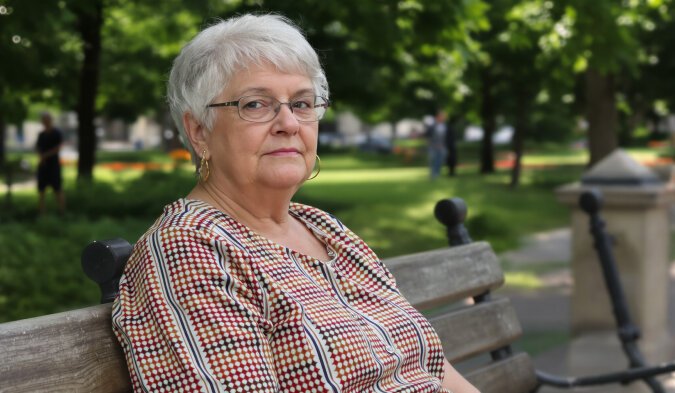
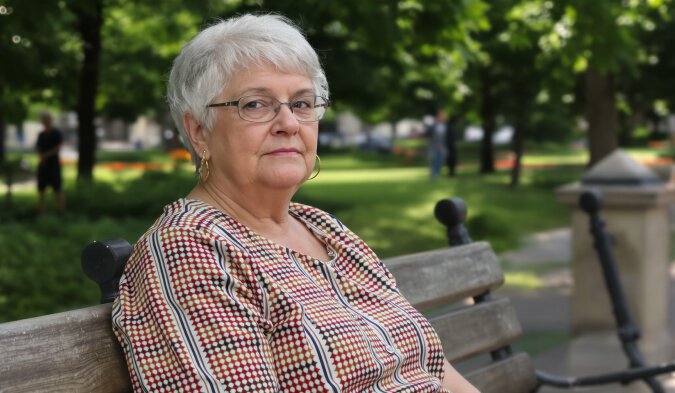
Though her heart overflowed with love, her body suffered: sleepless nights, back pains, shortness of breath. At 63, keeping pace with a child was very different from what she had experienced in her younger days.
Still, a subtle transformation was taking place. Since her husband’s departure, the house had been silent, but now it was coming back to life. She found herself smiling more often, feeling a renewed energy she thought had been lost forever—even if, at the same time, she was neglecting herself more than she would have liked.
When What Was Temporary Becomes an Expectation for Others
As the days passed, a sense of injustice started to settle in. Her daughter was no longer asking for help; she was simply taking it for granted. “I don’t know what I’d do without you,” she repeated, her voice full of relief. But to her, this sounded less like gratitude and more like a habit accepted without question.
One evening, the comment that crossed the line arrived: “Not again, okay? Things are complicated for us right now…”
At that moment, she understood that no one intended to give her a break. If she didn’t set boundaries, she would, unintentionally, become a permanent solution to their difficulties.
Learning to Say “No”
The word, the refusal, didn’t come all at once—it gradually strengthened, like a muscle awakening. A dinner cancelled because of her exhaustion, an afternoon spent with a friend she refused to cut short. Then, firmer words: “I need you to take back your share of responsibility. It’s your role, not mine.”
The conversations were hard. There were tears, blame, and painful guilt. But that refusal allowed her to reclaim her place: that of a loving grandmother, not a second parent. Bit by bit, her daughter understood, took the reins again, and, in turn, regained her own breath.
Regaining Balance and Shared Joy
Now, Léo visits on weekends. Two days filled with hugs, decorating cakes together, puzzles, and imaginary worlds. Two days when she feels useful, happy, and fully present without losing herself. Then, on Sunday evening, she returns to her quiet apartment, her cup of tea, her own silence—a silence that no longer weighs on her but soothes her.
She has grasped an essential truth: to love without losing oneself and to help without denying oneself. Helping does not mean carrying everything alone. Being a mother or grandmother does not erase the right to exist for oneself.
Ultimately, the boundaries we set do not wound love; rather, they give it the space to exist fully.
