
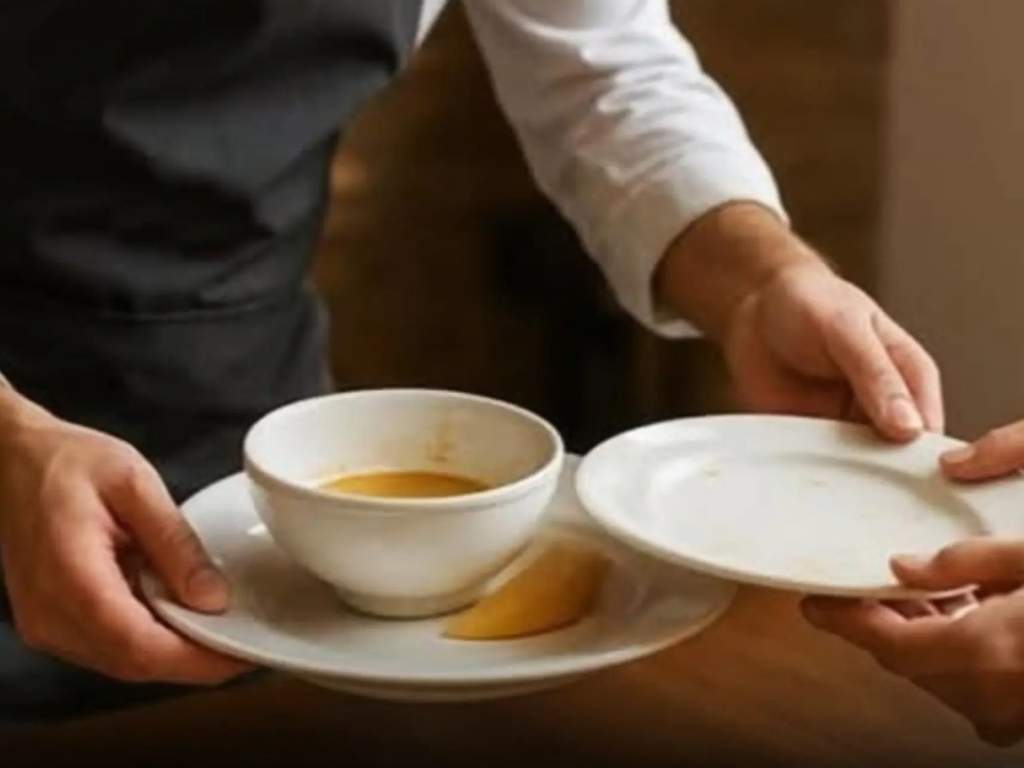
A Genuine Sign of Empathy
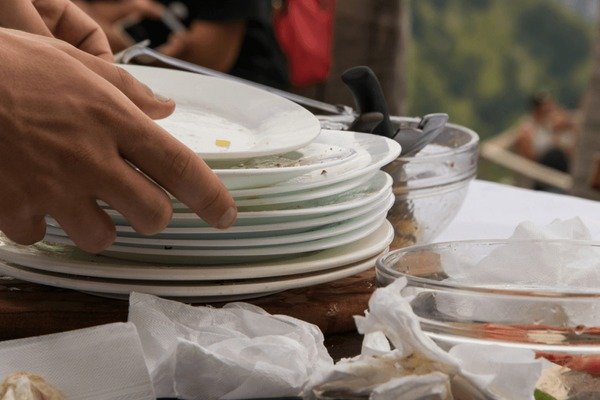
Helping a waiter clear a table goes far beyond saving time or seeking favor. It is a deeply human act that reveals our innate ability to sense what another person is experiencing. By assisting the waiter, we acknowledge their mental workload, the relentless pace demanded by a crowded dining room, and the invisible pressure weighing on them. This gesture reflects a connection to the other person’s experience, even when it remains unspoken. The ability to detect these unexpressed cues—such as fatigue and service-related stress—is one of the core pillars of emotional intelligence.
Personality and Upbringing: The Roots of This Behavior
Psychological research shows that this kind of behavior is frequently linked to certain personality traits, especially those labeled as “agreeable.” Within the framework of the “Big Five” personality traits, these individuals are cooperative, compassionate, and notably selfless. They offer help without expecting anything in return, simply because they have both the inclination and the capacity to do so.
However, this generosity also stems from personal values. For many, helping others—whether it is a waiter, a neighbor, or a complete stranger on the street—is second nature. This attitude often arises from an upbringing steeped in humility, solidarity, and the firm belief that no one is superior to anyone else. Such lessons, instilled from childhood, shape the way we continually engage with others in society.
A Simple Act That Subtly Challenges Social Conventions

What makes this gesture particularly fascinating is that it quietly yet significantly questions social norms. Traditionally, the customer’s role is solely to be served. Participating in clearing the table is a refusal of this passive role; it gently crosses the invisible boundary that separates those who serve from those who receive service. This stance reveals emotional maturity: it expresses a lack of desire for superiority or dominance. By choosing equality even in the smallest acts, we affirm a more balanced human relationship.
Understanding the Motivations Behind This Gesture
The motivations for helping vary widely from person to person. For some, it is an instinctive reflex; for others, a way to express gratitude or build a connection. Sometimes, it arises simply from politeness or the pleasant feeling it brings. Psychologists emphasize that regardless of the underlying motivation, as long as the gesture is sincere, it generates a deep sense of inner satisfaction. It is precisely this bubble of well-being, created both for oneself and for the other, that constitutes the true reward of the action.
A Gratitude Rooted in Lived Experience
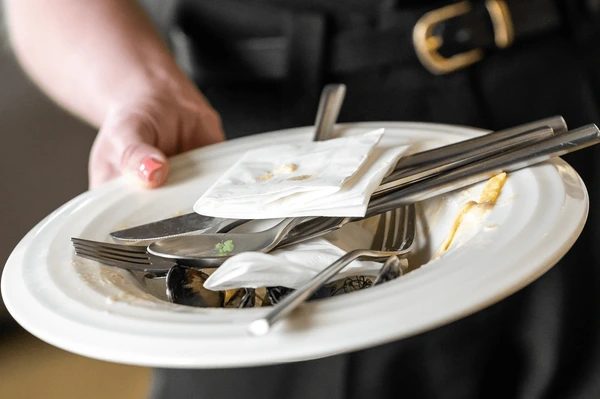
Those who have themselves endured demanding situations—whether in the restaurant industry, healthcare, or home care—are often the first to offer their assistance. Their experiences provide them with a profound understanding and empathetic memory of what the workload truly entails. For these individuals, the gesture becomes a silent yet powerful way to express appreciation for those who give of themselves without counting the cost. It is a circle of solidarity that closes upon itself, a way of paying tribute through action.
What If Kindness Could Really Change the World?
In a daily life often marked by speed and coldness, where indifference tends to become the norm, simple acts like helping a waiter clear a plate take on special significance. They remind us that even in the most ordinary moments, it is always possible to demonstrate a nobility of heart. Ultimately, it is often these small details that reveal the richness and beauty of our shared humanity.
