
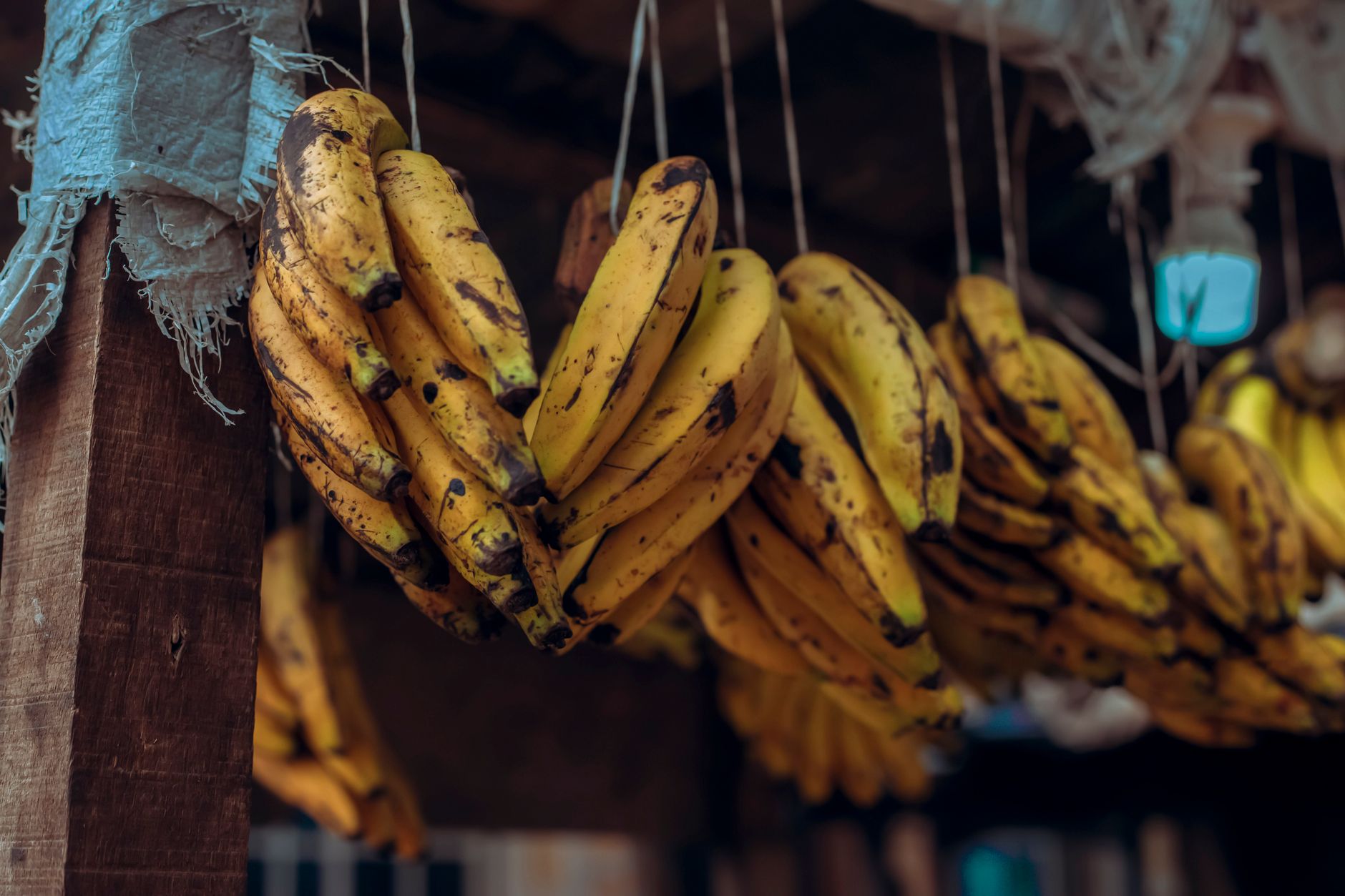
So, Which Banana Is the Healthiest?
The short answer is: it depends on what your body needs. Green, yellow, and brown bananas are all healthy in their own way. The main difference is how the starch, sugar, texture, and digestibility change as the banana ripens.
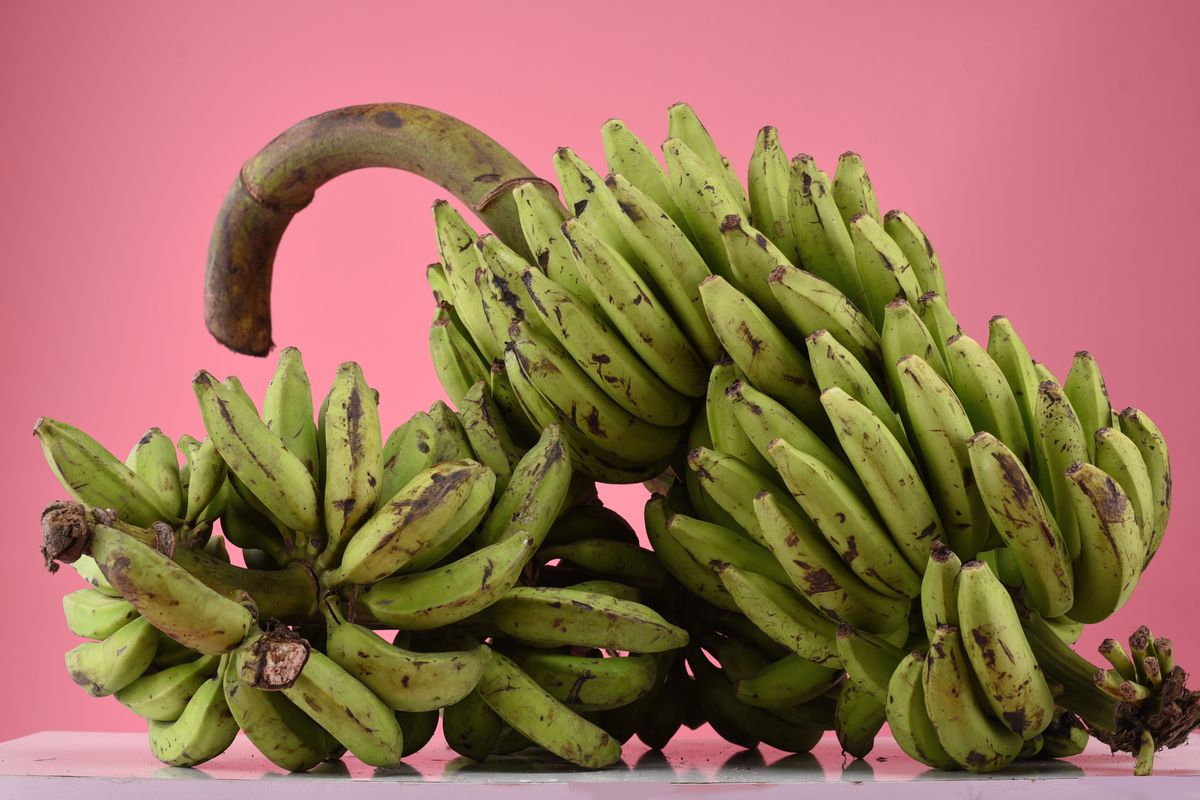
A green banana is firmer and less sweet. A yellow banana is softer, sweeter, and easy to eat. A brown or very spotted banana is the sweetest and works well in smoothies or baking.
Instead of asking which banana is best for everyone, it is smarter to ask which banana fits your goal today. Digestion, blood sugar response, taste, and how you plan to use it all matter.
What Changes as a Banana Ripens?
As bananas ripen, some of their starch changes into sugar. That is why a yellow or brown banana tastes much sweeter than a green one. The calories do not change in a dramatic way, but the type of carbohydrate becomes easier to taste and digest.
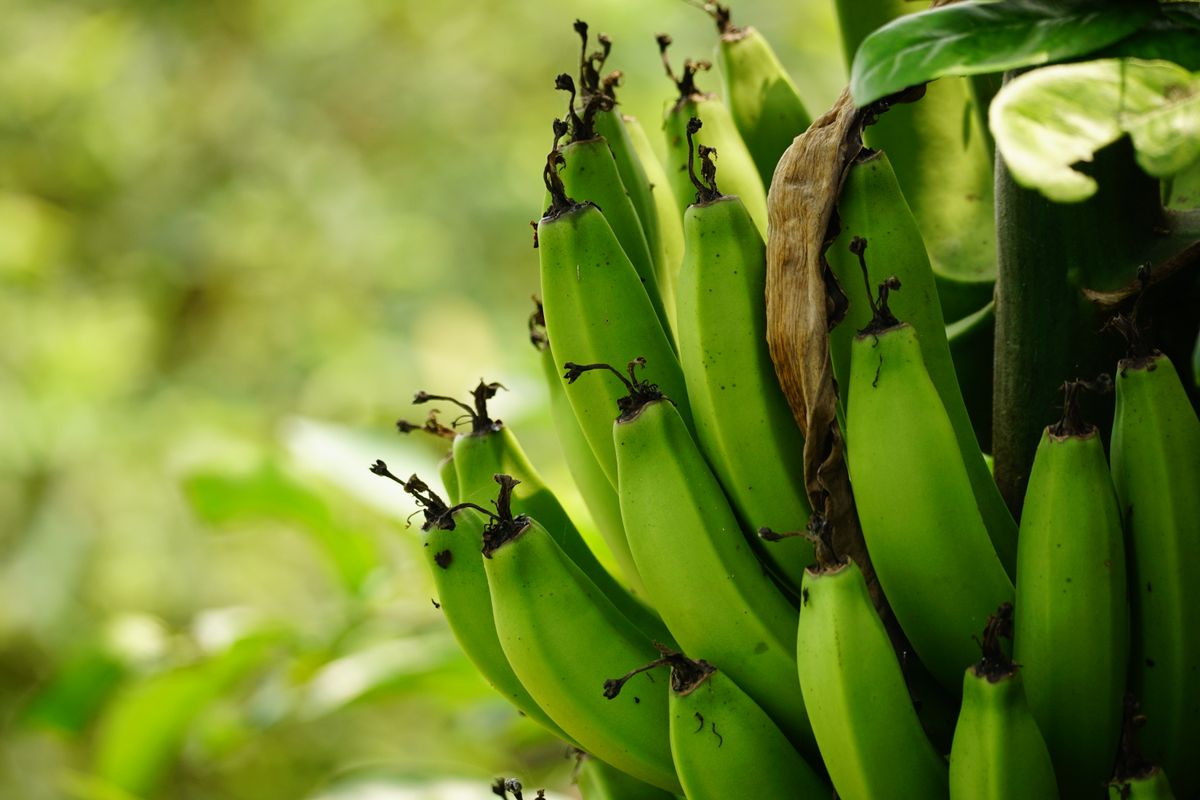
Green bananas contain more resistant starch. This type of starch is not fully digested in the small intestine and can act more like fiber. For some people, this may support fullness, but it can also cause gas or bloating if they are not used to it.
Riper bananas are often gentler for people who want quick energy or have trouble chewing firmer fruit. They are also easier to mash, blend, and use in recipes without adding as much extra sweetener.
How to Choose the Right Banana for Your Needs
Choose a green banana if you prefer a less sweet fruit and want more resistant starch. It can be sliced into oatmeal, cooked in savory dishes, or left on the counter for a few days until it softens.
Choose a yellow banana if you want the easiest everyday option. It has a mild sweetness, a soft texture, and works well as a snack, in cereal, or with peanut butter. For many people, this is the most balanced choice.
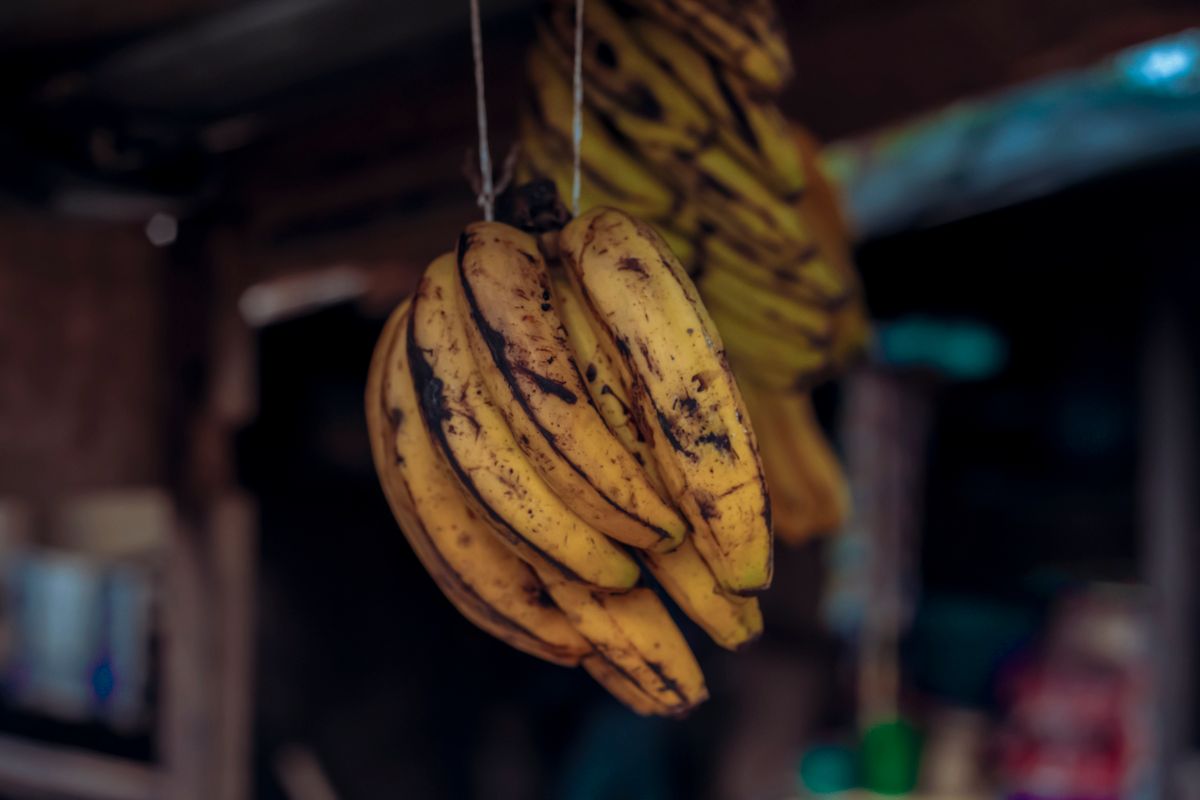
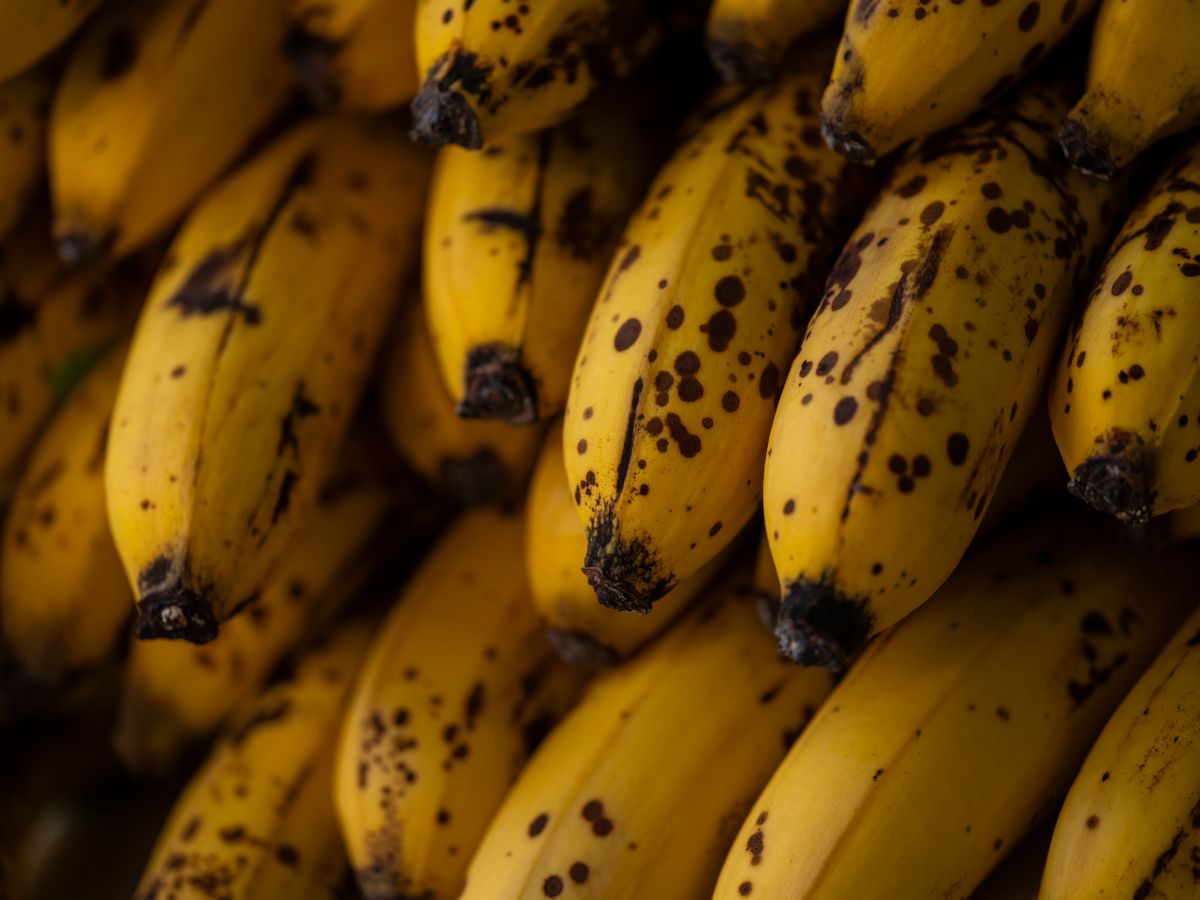
Choose a brown or heavily spotted banana when you want natural sweetness. It is perfect for banana bread, pancakes, smoothies, or freezing for later. If you are watching blood sugar, pair it with protein or fat, such as yogurt or nuts, and keep portions reasonable.
Benefits and Common Mistakes
One common mistake is thinking brown bananas are bad. Brown spots usually mean the banana is very ripe, not spoiled. As long as it does not smell fermented, leak liquid, or show mold, it can still be used safely.
Another mistake is assuming green bananas are always the healthiest. They may be useful for people who want less sweetness, but they are not ideal for everyone. Some people find them too firm, too bland, or harder on the stomach.
It is also important not to treat bananas like a miracle food. They provide nutrients such as potassium, vitamin B6, and fiber, but they are only one part of a balanced diet. Your overall eating pattern matters more than the color of one banana.
The Best Final Answer
If you want the most practical answer, a yellow banana with a few small spots is the best everyday pick for most people. It is ripe, easy to digest, naturally sweet, and simple to use in snacks or meals.
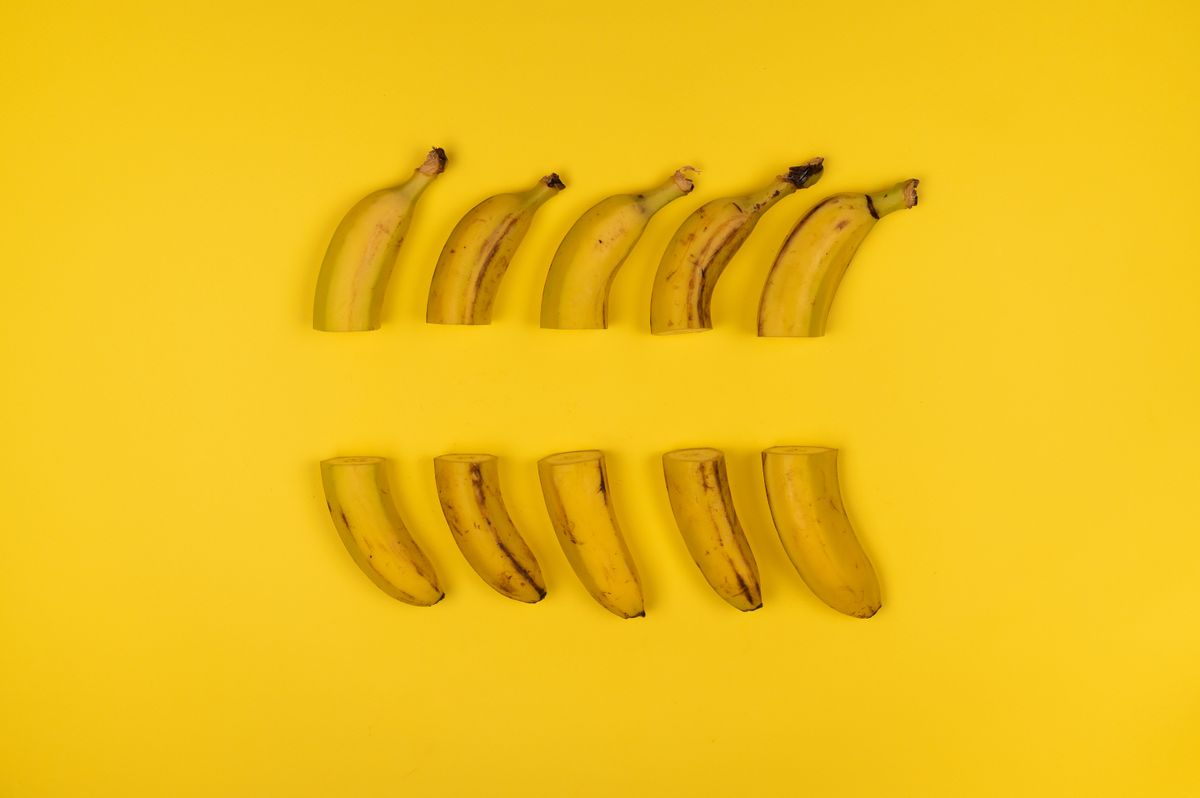
Go greener when you want a firmer, less sweet banana. Go browner when you want stronger sweetness for recipes. None of these choices is automatically bad, and the healthiest one depends on your digestion, taste, and health goals.
A good tip is to buy bananas in mixed stages: a few green, a few yellow, and a few ripe. This gives you fresh bananas for the week and reduces waste by using the riper ones in cooking or freezing.
Frequently Asked Questions
Are green bananas healthier than yellow bananas?
Green bananas have more resistant starch and less sweetness, but they are not automatically healthier for everyone. Some people digest yellow bananas more easily.
Are brown bananas safe to eat?
Brown or spotted bananas are usually safe if they do not have mold, leaking liquid, or a fermented smell. They are often best for baking or smoothies.
Which banana is best for digestion?
Yellow bananas are often easiest for many people to digest. Green bananas may cause gas or bloating in some people because they contain more resistant starch.
Which banana has the most sugar?
Riper bananas taste sweeter because more starch has changed into sugar. The overall nutrition is still similar, but the sugar is more available and noticeable.
What is the best banana for smoothies?
A spotted or brown banana is best for smoothies because it blends easily and adds natural sweetness without needing much extra sugar.
